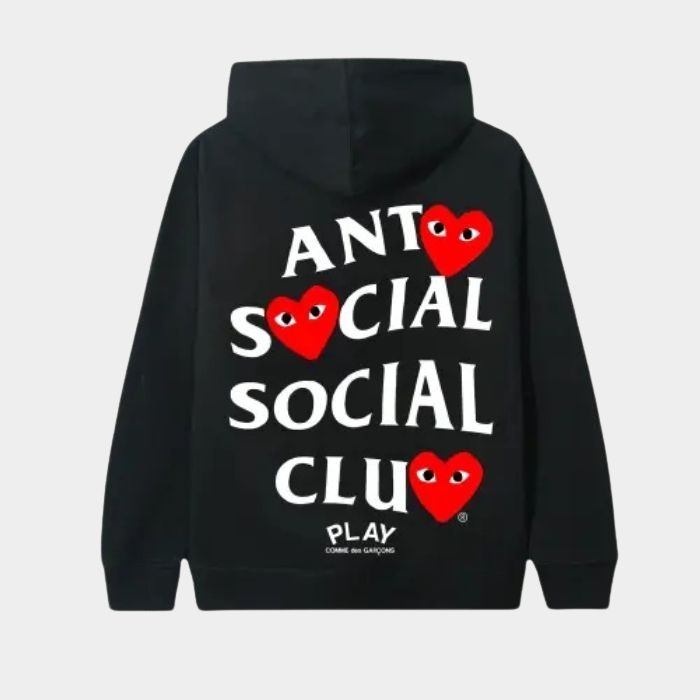

Streetwear used to live in a very defined lane—hoodies, sneakers, graphics, repeat. But then something shifted. Comme des Garcons stepped in and started bending those rules in ways that didn’t just tweak the formula, they rewired it. The brand blurred the lines between high fashion and street culture, and suddenly, the two weren’t separate worlds anymore. They started overlapping in a way that felt natural.
What makes this interesting is how it expanded the idea of what streetwear could be. It didn’t try to compete with existing street brands. It introduced a different energy altogether—one that leaned into experimentation, abstraction, and even discomfort at times. That tension pushed the culture forward, whether people realized it or not.
The Influence of Rei Kawakubo
At the center of this entire shift is Rei Kawakubo. Her approach to fashion doesn’t follow trends—it questions them. Every collection feels like a statement, sometimes even a quiet rebellion against the idea of fashion itself. That kind of thinking naturally spills over into streetwear.
Kawakubo’s philosophy revolves around imperfection, asymmetry, and pushing beyond conventional beauty. That mindset has inspired countless designers in the streetwear space to take risks. Instead of playing it safe, they experiment with form, structure, and meaning. That ripple effect is still visible today in how brands approach design.
Deconstruction and Streetwear Evolution
One of the biggest contributions Comme des Garçons made to streetwear is its use of deconstruction. Instead of clean, predictable garments, you get pieces that feel broken down and rebuilt. Seams exposed, cuts shifted, proportions twisted in subtle but intentional ways.
This approach influenced how streetwear evolved from simple graphic-heavy pieces into something more complex. Designers started embracing raw edges, irregular fits, and experimental construction. It gave streetwear a new vocabulary—one that didn’t rely solely on logos or graphics, but on form itself.
The Power of Subtle Branding
Not everything from Comme des Garçons is loud or abstract. The Comme des Garçons PLAY line took a different route, and that’s where things get really interesting. The simple heart logo with eyes became instantly recognizable, especially within streetwear culture. It’s minimal, but it hits hard.
This kind of subtle branding changed the game. Instead of screaming for attention, it created quiet recognition. If you know, you know. That approach influenced countless streetwear labels to rethink how they use logos—not as the main attraction, but as a detail that carries meaning.
Avant-Garde Meets Everyday Wear
There’s a certain balance Comme des Garçons manages to strike that feels almost contradictory. On one hand, you have runway pieces that look like art installations. On the other, you have pieces that can actually be worn in everyday settings. That mix is where its influence really spreads.
Streetwear picked up on that idea and started blending bold experimentation with everyday wearability. You’ll see oversized silhouettes, unusual cuts, and unexpected layering, all inspired by that avant-garde energy. But the key is making it wearable. That’s the part many brands are still trying to figure out.
Influence on Modern Streetwear Brands
Look at the current streetwear landscape, and you’ll see echoes of Comme des Garçons everywhere. From the way brands approach design to how they think about identity, the influence runs deep. Designers today aren’t just making clothes—they’re telling stories, challenging norms, and experimenting with form.
That shift didn’t happen overnight. It came from years of influence layered on top of influence. Comme des Garçons played a major role in pushing streetwear beyond its original boundaries. It encouraged a more thoughtful, design-driven approach that still shapes the scene today.
Collaborations That Shift Culture
Collaborations have become a key part of streetwear culture, and Comme des Garçons has done them in a way that feels intentional rather than forced. Whether it’s working with established brands or unexpected partners, the focus is always on merging ideas rather than just slapping logos together.
These collaborations often introduce new audiences to the brand while also pushing creative boundaries. It’s not about mass appeal—it’s about creative exchange. That mindset has influenced how streetwear collaborations are approached across the board, turning them into cultural moments instead of just product releases.
Why Comme des Garçons Still Matters
Even after decades, Comme des Garçons hasn’t lost its edge. If anything, its influence has become even more visible as streetwear continues to evolve. It doesn’t chase trends, yet it somehow stays ahead of them. That’s a rare balance to maintain.
The brand continues to shape how designers think about fashion, especially in streetwear. Its impact isn’t always loud or obvious, but it’s there—in silhouettes, in concepts, in the willingness to push boundaries. That kind of legacy doesn’t fade. It lingers, quietly shaping the culture from behind the scenes.