Compass of Shame in Schools: Racial Equity & Restorative Practice
Understanding Shame in Educational Environments
Shame is a powerful emotional experience that can strongly influence student behavior and engagement in schools. When students feel embarrassed, judged, or excluded, the emotional impact can affect their confidence and willingness to participate in learning. These experiences may occur through disciplinary actions, classroom interactions, or social dynamics that make students feel exposed or misunderstood.
The Compass of Shame and Student Responses
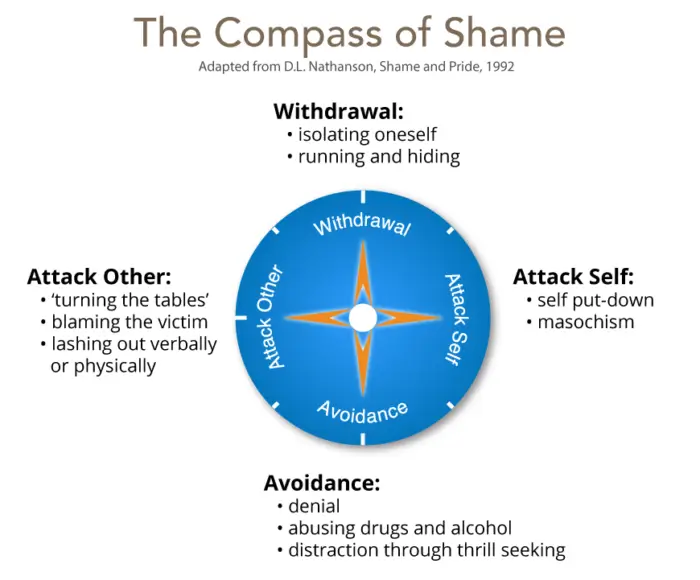
The compass of shame is a psychological framework that explains how people respond when they feel shame. According to this model, individuals often react in four ways: withdrawing from the situation, attacking themselves through negative self-talk, avoiding the issue entirely, or attacking others through anger or defiance. These reactions are not simply behavioral problems; they are emotional defense mechanisms.
In schools, understanding the compass of shame helps educators interpret student behavior more thoughtfully. A student who refuses to participate may be experiencing withdrawal, while another student who becomes disruptive may be reacting through anger or avoidance. Recognizing these patterns allows teachers to respond with empathy and guidance rather than escalating disciplinary responses.
Breaking the Shame Avoidance Cycle in Schools
The shame avoidance cycle occurs when individuals repeatedly attempt to escape or hide feelings of shame rather than addressing them. In a school setting, this cycle often begins when a student feels publicly criticized, misunderstood, or unfairly disciplined. Instead of acknowledging the emotion, the student may respond defensively, deny responsibility, or withdraw from the classroom environment.
Over time, the shame avoidance cycle can create repeated patterns of conflict between students and educators. A defensive reaction may lead to punishment, which then deepens the original feeling of shame and increases resistance. Without supportive intervention, this cycle can negatively affect both academic engagement and student relationships within the school community.
Using Restorative Questions to Support Student Accountability
One effective approach for addressing shame in schools is the use of restorative questions. These questions focus on reflection, responsibility, and repair rather than blame or punishment. Instead of immediately assigning consequences, educators can guide students through conversations that help them understand the impact of their actions.
Examples of restorative questions include asking students what happened, who was affected, and what can be done to repair the situation. These discussions encourage accountability while also preserving dignity and respect. When students feel heard and understood, they are more likely to participate in resolving conflicts and learning from their experiences.
The Role of Akoben LLC in Promoting Equity in Schools
Organizations such as akoben llc work to help schools address the deeper emotional and cultural factors that influence discipline and student relationships. Through professional development programs and educational resources, akoben llc helps educators recognize how emotions like shame interact with systemic inequities in educational environments.
By providing training focused on restorative practices and inclusive teaching strategies, akoben llc supports schools in building healthier learning communities. These approaches help educators move beyond traditional discipline systems and toward solutions that strengthen relationships, encourage accountability, and promote long-term student success.
Building Inclusive and Supportive Learning Environments
Creating equitable schools requires more than revising disciplinary policies; it requires a deeper understanding of how emotions influence behavior and relationships. When educators recognize the impact of shame and respond with empathy, they create classrooms where students feel safe to participate, learn, and grow.
閱讀更多
(圖/ 新北市政府) 新北市政府今(25)日舉行新莊區立德段公辦都市更新案簽約典禮,由財政局攜手馥華集團旗下永大興營造工程股份有限公司共同推動開發。市長侯友宜表示,本案位於新莊核心區位,以市有土地為基礎整合私有土地,未來將建置住宅、商場、辦公與公益機能空間,並結合捷運新莊站、新莊廟街與中華路生活圈,形成帶動區域成長的重要節點,成為新莊新的城市門戶地標。 MGBOX 侯友宜指出,都市更新向來不易推動,但市府將持續透過公辦都更發揮帶動效果。本案緊鄰捷運路網與主要幹道,區位條件成熟,都更後將與周邊既有的公辦都更基地及市中心計畫串聯,強化新莊整體發展量能,為市民提供更安全、便利且富有現代感的生活環境。 (圖/ 新北市政府)...

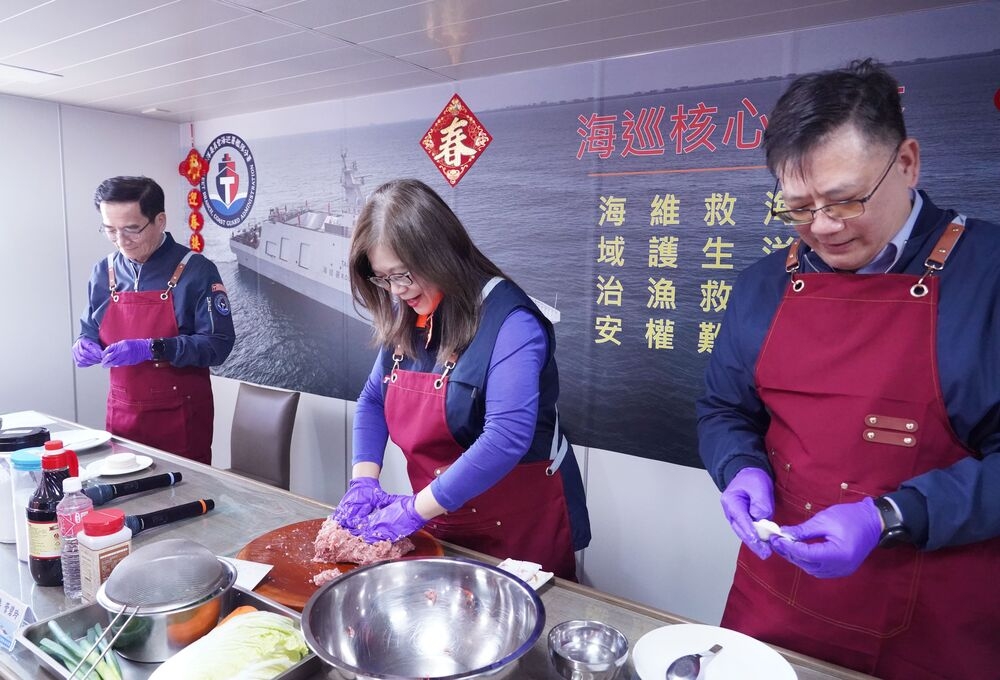
(圖/ 海洋委員會) 海洋委員會主委管碧玲昨(13)日與海巡署長張忠龍、艦隊分署長黃宣凱,親赴長濱艦為海巡基層同仁製作春節年菜,這已是管主委連續第三年親自下廚慰勞全年無休堅守崗位的海巡同仁。管碧玲表示,透過手作年菜,將滿滿的疼惜與關懷融入料理中,以行動向海巡同仁表達感謝,「謝謝您們一直在最前線守護國家!」 (圖/ 海洋委員會) 這次的年菜準備包括清燉獅子頭、炸年糕與水餃,管碧玲堅持獅子頭完全手工揉捏出筋,搭配大量蔬菜烹煮,以確保肉汁鎖住、口感飽滿。管主委分享三大烹飪秘訣:先以蔥薑水拌肉,純手工揉捏並裹上太白粉水,下鍋煮滾後立即撈出,再加入白菜與紅蘿蔔慢滷40分鐘,使每顆獅子頭吸飽湯汁。艦上弟兄們聞香食指大動,直呼有「媽媽的味道」。 MGBOX (圖/ 海洋委員會)...