Floor Tile Repair Made Easy: Best Methods & Common Mistakes to Avoid
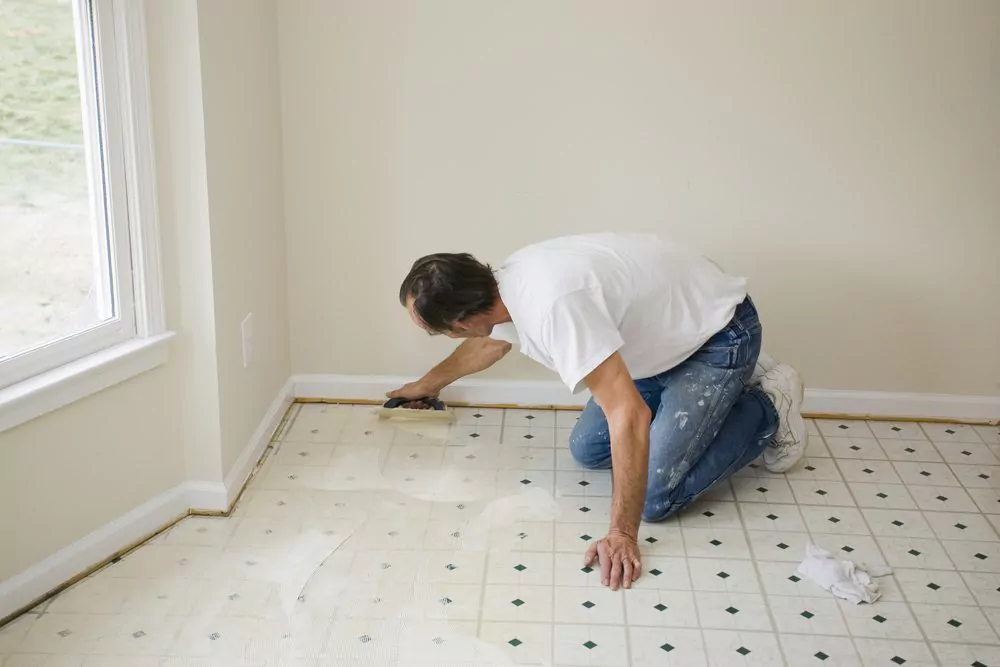
Floor Tile Repair is essential when cracks, chips, or loose tiles start affecting the look and safety of your home. Damaged tiles not only reduce visual appeal but can also create tripping hazards. Acting quickly prevents moisture from seeping underneath and causing structural issues. Professional repair restores both durability and appearance.
Common Causes of Floor Tile Damage
Floor tiles can crack due to heavy impact, shifting subfloors, or poor installation. Water infiltration is another major cause, especially in bathrooms and kitchens. Over time, grout deterioration weakens the tile’s stability. Identifying the root problem ensures the repair lasts.
Temperature changes also affect tile performance. Expansion and contraction can lead to stress fractures if expansion joints were not properly installed. Low-quality adhesive may fail under pressure. A detailed inspection helps determine the correct repair method.
Signs You Need Floor Tile Repair
Visible cracks and chipped corners are obvious warning signs. Hollow sounds when tapping tiles often indicate loose bonding underneath. Uneven surfaces or lifted edges suggest subfloor movement. Ignoring these issues can lead to more extensive damage.
Grout discoloration or crumbling is another red flag. Moisture may be penetrating beneath the surface. Mold growth between tiles indicates trapped water. Early repairs reduce long-term repair costs.
Repair vs. Replacement: What’s Best?
In many cases, Floor Tile Repair is more cost-effective than full replacement. If only a few tiles are damaged, targeted repair works well. Matching the existing tile is important for a seamless finish. Professional contractors often keep spare tiles from the original installation for this reason.
However, widespread cracking may signal structural problems. In such cases, replacing larger sections might be necessary. A flooring specialist can evaluate the subfloor condition. Making the right choice prevents recurring issues.
The Floor Tile Repair Process
The repair process typically begins with removing the damaged tile carefully. Professionals use specialized tools to avoid damaging surrounding tiles. Once removed, the subfloor is inspected and cleaned. Any underlying moisture issues must be addressed before installing a new tile.
Fresh adhesive is applied evenly to ensure strong bonding. The replacement tile is aligned precisely with surrounding tiles. After curing, new grout is applied and sealed. Proper finishing ensures a smooth and durable surface.
DIY vs. Professional Floor Tile Repair
Small chips can sometimes be fixed using tile filler kits. However, larger repairs require precision and experience. Improper installation can cause uneven surfaces or premature failure. Professional services guarantee long-term stability.
Contractors also ensure correct leveling and adhesive selection. They check for hidden moisture or subfloor problems. Investing in expert repair protects your flooring investment. Skilled workmanship makes a visible difference.
Preventing Future Tile Damage
Regular maintenance reduces the need for frequent Floor Tile Repair. Clean tiles with non-abrasive products to avoid surface scratches. Reseal grout lines periodically to block moisture penetration. Place protective pads under heavy furniture.
Avoid dropping heavy objects directly onto tile surfaces. Maintain stable indoor temperatures to minimize expansion stress. Routine inspections catch small cracks before they spread. Prevention is always more affordable than extensive repairs.
Cost Considerations
The cost of Floor Tile Repair services depends on tile type and damage extent. Ceramic tiles are generally more affordable to repair than natural stone. Labor costs vary based on pattern complexity and accessibility. Emergency repairs may increase pricing.
While cheaper options exist, quality materials and skilled installation ensure durability. Choosing experienced professionals saves money in the long run. A well-done repair can extend floor life by many years. Consider long-term value rather than short-term savings.
When to Call a Professional
If you notice multiple cracked tiles or signs of water damage, contact a specialist. Persistent grout issues may signal deeper structural concerns. Professional inspection provides clarity and accurate cost estimates. Early action prevents costly full-floor replacement.
Licensed contractors follow industry standards for safety and performance. They also offer warranties on workmanship. Reliable service ensures peace of mind. Timely intervention protects both appearance and safety.
Final Thoughts on Floor Tile Repair
Floor Tile Repair service is a practical solution for maintaining beautiful and functional flooring. Addressing minor issues quickly prevents major damage later. Whether repairing a single tile or multiple sections, proper technique is essential. With the right approach, your floors can look and perform like new for years.
閱讀更多
Detailed Analysis of Executive Summary Biofungicides for Soil Treatment Market Size and Share Data Bridge Market Research analyses that the biofungicides for soil treatment market will project a compound annual growth rate (CAGR) of 16.30% during the forecast period of 2022-2029. The Biofungicides for Soil Treatment report makes available the current and forthcoming...
"Comprehensive Outlook on Executive Summary Widefield Imaging Systems Market Size and Share CAGR Value The global widefield imaging systems market size was valued at USD 635.61 billion in 2024 and is projected to reach USD 1121.02 billion by 2032, with a CAGR of 7.35% during the forecast period of 2025 to 2032. The Widefield Imaging Systems report encompasses thorough analysis of...

Buy GitHub Accounts from GetPvaZone – The Most Trusted Source for Verified GitHub Accounts 🌟📞🧠💬💻 If You Want To More Information just Contact Now:📡📲🖥🔗📩 Telegram: @getpvazone🎧💭🎮🧠🛎 WhatsApp: +1 (219) 396-6971📧📮📂💼🖥 Email: getpvazone@gmail.com📧📮📂💼🖥🔥 Come now our company: //getpvazone.com/ In the world of software development and coding, verified GitHub accounts are essential for developers,...