How Chefs Use Cultured Butter to Elevate Simple Dishes
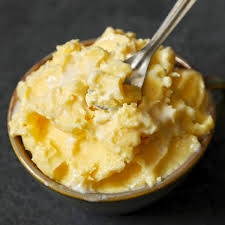
How Chefs Use Cultured Butter to Elevate Simple Dishes
Cultured butter is one of those ingredients that may seem ordinary at first glance, but in the hands of skilled chefs, it can transform even the simplest dishes into something extraordinary. Unlike regular butter, cultured butter is made from cream that has been fermented with natural lactic acid bacteria before churning. This process gives it a tangy, rich flavor and a creamy texture that enhances everything from vegetables and proteins to breads and sauces. In this article, we explore how chefs use cultured butter to elevate simple dishes and bring restaurant-quality flavor into everyday cooking.
Understanding Cultured Butter
Before diving into its culinary uses, it’s important to understand what makes cultured butter special. Cultured butter is made by allowing cream to ferment, which produces lactic acid and creates the signature tangy flavor. This fermentation also adds complexity and a subtle nutty aroma that regular sweet cream butter does not have.
The texture is another advantage. Cultured butter tends to be creamier and smoother, making it easier to spread, melt, and incorporate into dishes. Its richness allows it to enhance flavors without overpowering them, making it a versatile tool in the kitchen.
Why Chefs Prefer Cultured Butter
Professional chefs often choose cultured butter for several reasons. First, it adds depth of flavor to simple ingredients. A pat of cultured butter melted over vegetables or meats can elevate the natural flavors in a way that regular butter cannot.
Second, it is versatile. Chefs use it in pan sauces, compound butters, baking, and finishing touches. Its smooth, creamy texture allows it to blend seamlessly into sauces or melt luxuriously over hot foods. Finally, cultured butter offers nutritional benefits, including fat-soluble vitamins and healthy fats, along with the added probiotic properties from fermentation, making it not only flavorful but also beneficial for digestion.
Elevating Simple Vegetables
Vegetables are some of the easiest dishes to transform with cultured butter. Sautéing or roasting vegetables in cultured butter can enhance their natural sweetness and create a rich, aromatic finish.
For example, asparagus or green beans lightly cooked in cultured butter and finished with a sprinkle of fresh herbs become a restaurant-worthy side dish. Root vegetables such as carrots, parsnips, and sweet potatoes are elevated when tossed with butter before roasting. Adding compound butter with garlic, citrus zest, or fresh herbs can create complex layers of flavor without complicated techniques.
Even mushrooms benefit from cultured butter. Sautéed with a bit of butter and garlic, mushrooms gain a silky, flavorful coating that brings out their earthy taste. Chefs often finish roasted or sautéed vegetables with a small pat of butter just before serving, adding shine, richness, and a subtle tang that makes the dish feel indulgent.
Enhancing Proteins
Chefs also use cultured butter to elevate proteins, whether meat, poultry, or seafood. A simple roasted chicken or grilled steak can be transformed with a small pat of butter melted over the top just before serving. This not only adds richness but also helps lock in moisture, creating tender, flavorful meat.
Fish and seafood benefit from cultured butter as well. Melted over poached or grilled fish, the butter enhances natural flavors while adding a creamy, luxurious finish. Chefs may mix herbs, garlic, or lemon zest into the butter to create compound versions that complement the protein and add an extra layer of flavor.
Transforming Everyday Carbs
Carbohydrate-based dishes, like potatoes, rice, pasta, and bread, can also be enhanced with cultured butter. Mashed potatoes, for example, become incredibly creamy and flavorful when whisked with butter. Pasta tossed with cultured butter instead of oil gains a silky texture and depth that elevates even simple recipes.
Even bread and toast can benefit. Spreading compound butter on warm bread or rolls is a simple way to add flavor and make an everyday meal feel special. Chefs often experiment with flavors like roasted garlic, fresh herbs, or even a touch of citrus in butter spreads to complement both sweet and savory dishes.
Creating Simple Sauces and Finishes
One of the most impactful ways chefs use cultured butter is in sauces and finishing touches. Pan sauces benefit greatly from the addition of cultured butter. After deglazing a pan with wine or stock, whisking in butter creates a smooth, glossy sauce with depth and richness.
Cultured butter also shines in emulsions such as hollandaise or beurre blanc, adding tanginess and creaminess that enhance delicate flavors. Even melting a small piece of butter over vegetables, grains, or proteins just before serving can add aroma, shine, and a luxurious texture that elevates the dish.
Tips from Chefs
Professional chefs have a few tips for using cultured butter effectively:
-
Temperature Matters: Allow butter to come to room temperature for spreading, mixing, or finishing dishes. Slightly chilled butter works best when shaping for compound butters or baking.
-
Timing: Add butter at the right moment—usually at the end of cooking—to preserve its flavor and texture.
-
Experiment with Ingredients: Combine butter with seasonal vegetables, herbs, and citrus for unique flavors.
-
Use High-Quality Ingredients: Premium dairy products, such as raw butter Dubai or organic A2 ghee, offer superior taste and richness, enhancing both simple and complex recipes.
Conclusion
Cultured butter is a powerful ingredient that can transform simple dishes into flavorful, gourmet experiences. Its tangy taste, creamy texture, and versatility make it a favorite among chefs for vegetables, proteins, carbohydrates, and sauces. By using cultured butter thoughtfully, even everyday meals can feel elevated and indulgent.
Pairing it with high-quality dairy products, such as raw butter Dubai or organic A2 ghee, further enhances flavor and nutritional value. With cultured butter in your kitchen, you can enjoy richer, more aromatic, and more satisfying dishes, turning simple ingredients into extraordinary meals.
Categories
Read More
Introduction Dubai is a city known for its luxury, innovation, and architectural marvels. Whether you own a cozy apartment, a spacious villa, or a commercial property, the best interior design firm Dubai can transform your space into a masterpiece. Interior design is not just about decoration; it is about creating an environment that reflects your personality, lifestyle, and taste while...

If you’re looking to buy a Facebook account with Marketplace, you’re in the right place. Whether you’re a small business owner, a marketer, or someone who wants to sell or buy items locally, having a Facebook account with Marketplace access can save you time and effort. At EverSMM, we provide verified, secure, and ready-to-use accounts that come with Marketplace access, so you...

If you’re here, chances are you’re looking to buy old Facebook accounts but want to make sure you’re making the right decision. Whether you’re a business owner, marketer, or someone who needs aged accounts for specific purposes, this guide will walk you through everything you need to know. At BestSMMExpert, we specialize in providing high-quality, secure, and reliable...