Musk's Terafab Reveals Ambitious Memory Production Focus for 2032
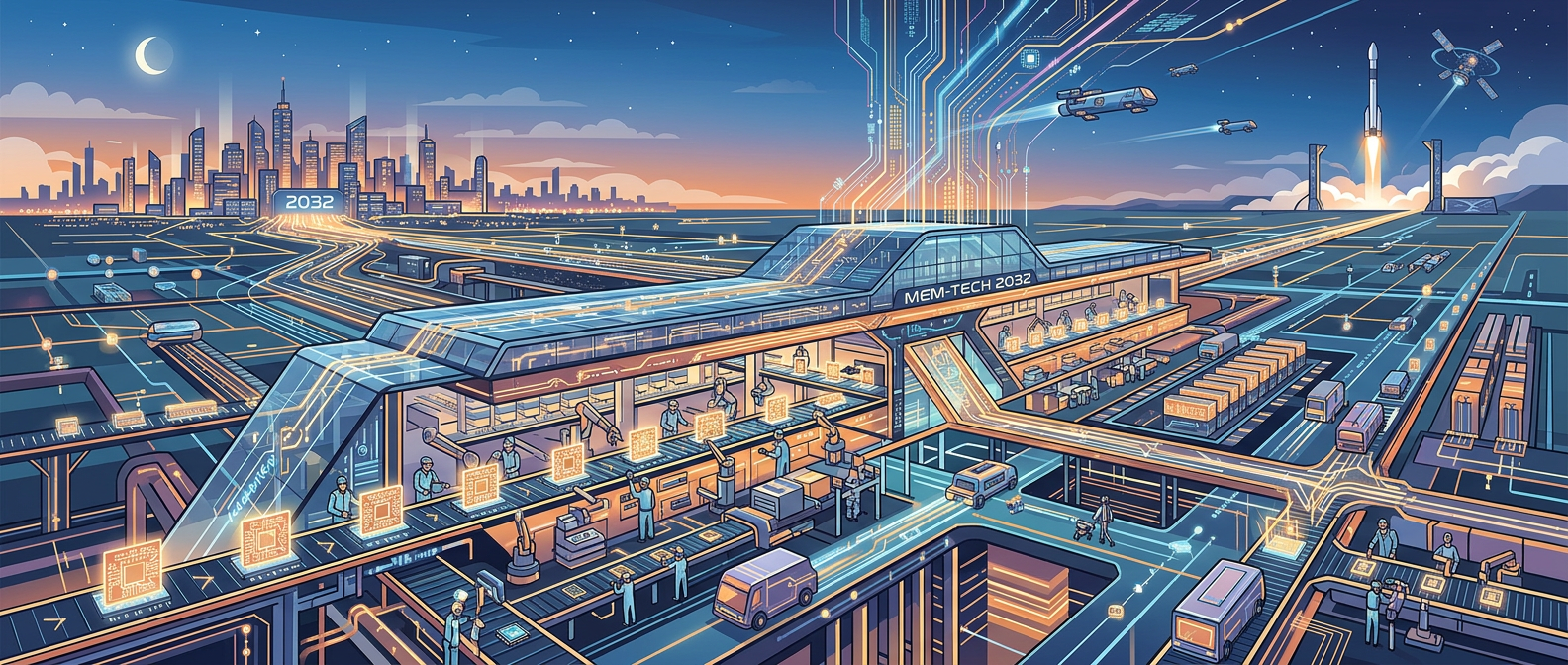
Elon Musk's semiconductor manufacturing initiative, Terafab, has outlined a long-term strategy to its equipment suppliers, aiming for a monthly wafer processing capacity of approximately one million wafers by 2032, with a significant 70% dedicated to memory production. A Nikkei exclusive, reported on November 9, details that around 700,000 of these wafers per month will be focused on memory, a critical component for the burgeoning artificial intelligence sector. This concrete allocation plan expands upon earlier concepts of producing both logic and memory chips at the same facility, providing a clear vision for the venture's future focus.The strategic emphasis on memory production underscores Terafab's potential to become a major player in addressing the global demand for AI-specific memory, which currently faces significant supply challenges. The move aligns with SpaceX's earlier stated goals in its 2026 IPO prospectus, which cited preparing for future semiconductor shortages and designing chips tailored for space environments. By aiming for such a large-scale memory output, Terafab could bolster the supply chain for various AI-driven applications and potentially reduce reliance on external suppliers for Musk's own ventures, while still planning to procure substantial computing hardware from elsewhere.
Looking ahead, this announcement signals a significant shake-up in the semiconductor landscape, particularly for memory manufacturers. While Terafab's full operational scale is still years away, reports indicate that procurement negotiations with equipment makers are already advancing, with requests for some equipment delivery within months. The industry will be closely watching how this ambitious plan materializes and its eventual impact on market dynamics, pricing, and the broader availability of essential memory components for advanced computing and AI. Existing memory producers will likely need to factor Terafab's long-term capacity into their own strategic expansions and technological roadmaps.
Musk's Terafab Reveals Ambitious Memory Production Focus for 2032
Elon Musk's semiconductor manufacturing initiative, Terafab, has outlined a long-term strategy to its equipment suppliers, aiming for a monthly wafer processing capacity of approximately one million wafers by 2032, with a significant 70% dedicated to memory production. A Nikkei exclusive, reported on November 9, details that around 700,000 of these wafers per month will be focused on memory, a critical component for the burgeoning artificial intelligence sector. This concrete allocation plan expands upon earlier concepts of producing both logic and memory chips at the same facility, providing a clear vision for the venture's future focus.
The strategic emphasis on memory production underscores Terafab's potential to become a major player in addressing the global demand for AI-specific memory, which currently faces significant supply challenges. The move aligns with SpaceX's earlier stated goals in its 2026 IPO prospectus, which cited preparing for future semiconductor shortages and designing chips tailored for space environments. By aiming for such a large-scale memory output, Terafab could bolster the supply chain for various AI-driven applications and potentially reduce reliance on external suppliers for Musk's own ventures, while still planning to procure substantial computing hardware from elsewhere.
Looking ahead, this announcement signals a significant shake-up in the semiconductor landscape, particularly for memory manufacturers. While Terafab's full operational scale is still years away, reports indicate that procurement negotiations with equipment makers are already advancing, with requests for some equipment delivery within months. The industry will be closely watching how this ambitious plan materializes and its eventual impact on market dynamics, pricing, and the broader availability of essential memory components for advanced computing and AI. Existing memory producers will likely need to factor Terafab's long-term capacity into their own strategic expansions and technological roadmaps.
Sources
xenospectrum.com https://vertexaisearch.cloud.google.com/grounding-api-redirect/AUZIYQErv2CflhVfOWEmlrCh--v0X4woEfFbj0SPzhDO1aGdyiyj4cgdQPdozDOl5SWswHsa91CPK2X4RiSWjVy8FOrZo3kU6dNCmqai3PPdmw8UdY9qHWAt8laNS8YzSbPo9_aXIWFooog3VhyIjP3hf0GhmqcQXpXCe0xHi_XbVUkhSzkb
#Terafab #SemiconductorManufacturing #AIMemory #ElonMusk #ChipProduction