Step by Step Turf Laying Process for Beautiful Outdoor Spaces
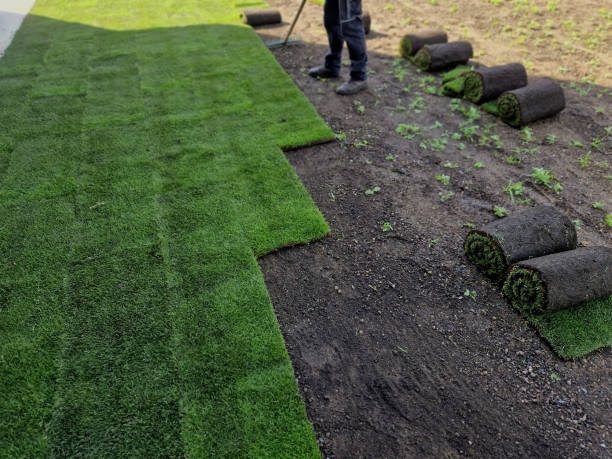
Creating a lush, green garden starts with a professional turf laying process. A well-installed lawn transforms any outdoor space into a vibrant, welcoming area for relaxation, play, and entertaining. Whether upgrading a tired patch of grass or starting from scratch, understanding the correct method of laying grass turf ensures long-lasting results.
At The Lawn Turf Laying Company, every project follows a structured approach designed to deliver flawless finishes and healthy root establishment. Below is a detailed step by step guide to achieving a stunning lawn through expert turf installation and careful preparation.
1. Initial Assessment and Planning
Successful turf laying begins with a thorough site inspection. Soil condition, drainage, sunlight exposure, and existing ground levels must be evaluated before any work starts.
Poor drainage can lead to waterlogging, while compacted soil may restrict root growth. Identifying these factors early ensures the correct groundwork is completed. Planning also includes measuring the area accurately to calculate the quantity of turf required, reducing waste and ensuring seamless laying lawn turf.
2. Removing Existing Vegetation
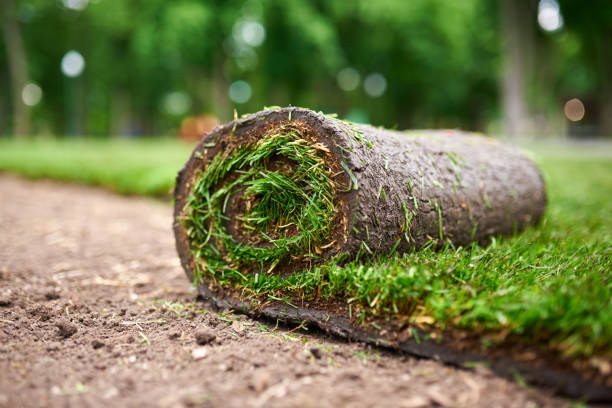
Before turf installation can begin, all existing grass, weeds, stones, and debris must be removed. This step is essential for preventing future weed growth and ensuring smooth ground preparation.
Mechanical turf cutters or manual tools can be used depending on the size of the area. Removing unwanted vegetation creates a clean base, allowing the new turf to establish evenly without competition for nutrients.
3. Soil Preparation and Cultivation
Quality soil preparation is the foundation of excellent turf laying. The soil should be loosened to a depth of approximately 15–20 cm to promote strong root penetration. Rotavating the ground improves aeration and drainage.
At this stage, organic matter such as compost or well-rotted manure can be incorporated to enrich the soil. If necessary, sharp sand may be added to improve drainage in heavier clay soils.
After cultivation, the area should be levelled carefully using a rake. Achieving a smooth, even surface prevents bumps and uneven patches once laying grass turf is complete.
4. Levelling and Firming the Ground
Once the soil is prepared, the surface must be firmed. Lightly walking over the area or using a lawn roller helps to remove air pockets and stabilise the ground.
The surface should feel firm underfoot but not compacted. Any footprints deeper than 1–2 cm indicate further levelling is required. Taking time during this stage ensures professional results and long-term lawn durability.
A pre-turf fertiliser can now be applied evenly across the area. This provides essential nutrients that support early root development after turf installation.
5. Measuring and Preparing the Turf
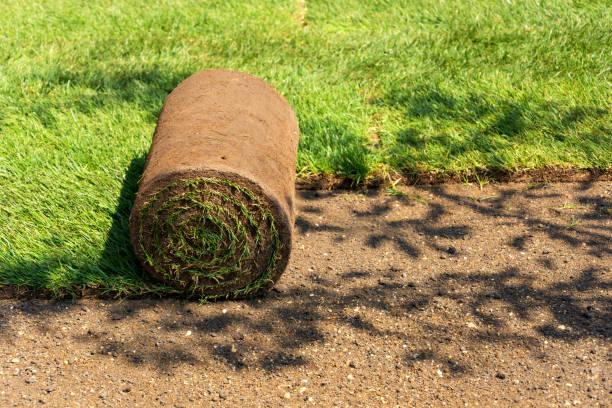
Fresh turf should be laid as soon as possible after delivery to maintain quality. Delays can cause drying and yellowing, reducing successful establishment.
Before laying lawn turf, lightly water the prepared soil if conditions are dry. This creates a moist base that encourages root bonding.
Rolls of turf should be positioned close to the work area to reduce handling time and prevent unnecessary stretching or damage.
6. Step by Step Turf Laying
The turf laying process itself requires precision and care.
-
Start along a straight edge, such as a fence or patio.
-
Lay the first roll carefully, ensuring edges are flush with no gaps.
-
Stagger each subsequent row in a brickwork pattern to prevent visible seams.
-
Butt edges tightly together without overlapping.
-
Use a sharp knife to trim edges neatly around borders and features.
Working methodically prevents stretching and ensures even alignment. Walking on boards placed over the turf helps distribute weight and avoid indentations during laying grass turf.
7. Final Levelling and Watering
After completing turf installation, lightly roll the surface to ensure good soil contact. This step removes minor air pockets and supports even rooting.
Watering thoroughly is crucial. The lawn should be soaked immediately after installation, ensuring moisture reaches the soil beneath the turf. Consistent watering over the following weeks encourages deep root establishment.
In warm weather, watering may be required daily during the first two weeks. Monitoring moisture levels prevents drying and shrinkage.
8. Aftercare and Maintenance
Proper aftercare determines the long-term success of turf laying. Avoid heavy foot traffic for at least two to three weeks while roots establish.
The first mow should take place once the grass reaches approximately 5–7 cm in height. Blades must be sharp, and only the top third of growth should be removed to avoid stress.
Regular watering, seasonal feeding, and occasional aeration maintain lawn health. Following these steps ensures a thick, vibrant lawn that enhances outdoor spaces for years to come.
Benefits of Professional Turf Laying
Choosing professional services such as The Lawn Turf Laying Company offers several advantages:
-
Expert ground preparation for lasting results
-
High quality turf selection suited to UK conditions
-
Efficient installation with minimal disruption
-
Precise finishing around edges and landscaping features
Professional laying lawn turf reduces the risk of uneven growth, poor drainage, and premature deterioration.
Common Mistakes to Avoid
Even minor errors can affect the outcome of turf installation. Avoid the following:
-
Laying turf on uneven or poorly prepared soil
-
Leaving gaps between rolls
-
Delaying watering after installation
-
Walking excessively on newly laid turf
-
Cutting grass too short during the first mow
Attention to detail during every stage of laying grass turf guarantees a flawless finish.
Why Preparation Matters Most
Many lawn problems stem from inadequate groundwork rather than poor turf quality. Investing time in soil improvement, levelling, and fertilisation ensures that turf laying delivers consistent, healthy growth.
A carefully prepared base allows roots to anchor deeply, increasing drought tolerance and resilience against wear. When preparation is prioritised, turf installation becomes a long-term solution rather than a short-term cosmetic improvement.
Conclusion
A beautiful lawn does not happen by chance. It requires a structured turf laying process, careful soil preparation, precise installation, and dedicated aftercare. Following each step ensures strong root development, vibrant colour, and a smooth, professional finish.
With expert guidance from The Lawn Turf Laying Company, laying lawn turf becomes a seamless experience that transforms outdoor spaces into elegant green landscapes. Investing in professional laying grass turf creates a durable, attractive lawn that enhances property value and everyday enjoyment.
Frequently Asked Questions
How long does turf laying take?
Most residential projects can be completed within one day, depending on the size and condition of the area.
When is the best time for turf installation?
Spring and autumn offer ideal conditions due to mild temperatures and natural rainfall. However, turf laying can be completed throughout much of the year with proper watering.
How soon can a new lawn be used?
Light use is possible after two to three weeks, once roots have established firmly into the soil.
How often should new turf be watered?
Water daily during the first two weeks, especially in dry weather. Gradually reduce frequency as the lawn establishes.
Does professional laying lawn turf improve longevity?
Yes. Proper preparation and expert turf installation significantly increase lawn lifespan, resilience, and overall appearance.

