
Whether you’re refreshing a single room, updating kitchen cabinets, or repainting the exterior of a property, achieving a beautiful and durable paint finish depends on more than just choosing the right color. The tools used throughout the painting process are just as important as the paint itself. Proper tools help you prepare surfaces correctly, apply coatings smoothly, and deliver a refined look that stands the test of time. Without reliable equipment, painting projects can become frustrating, messy, and costly in terms of time and materials.
Selecting quality Painting Tools lays the foundation for success in any painting task. These accessories help reduce common issues such as visible brush lines, roller marks, uneven coats, and accidental splatter. Investing in dependable tools streamlines your workflow and improves the final result, whether you’re a seasoned professional or a DIY enthusiast. When tools are chosen thoughtfully and used correctly, the painting process becomes faster, cleaner, and more rewarding.
Surface Preparation: The Most Important Step
Before applying any paint, proper surface preparation is essential. Walls and other surfaces often carry dust, grease, flaking paint, or other contaminants that interfere with how effectively new coatings adhere. Cleaning tools such as stiff-bristled brushes, scrapers, and sanding blocks allow you to remove these obstacles so that paint adheres smoothly and lasts longer.
Scrapers help remove loose or peeling paint, ensuring that new coatings bond to a stable substrate. Sandpaper and sanding tools smooth rough patches and blend repaired sections with the surrounding surface. By investing time in proper preparation using the right tools, you eliminate problems that often show up after paint is applied.
Brushes: Precision in Every Stroke
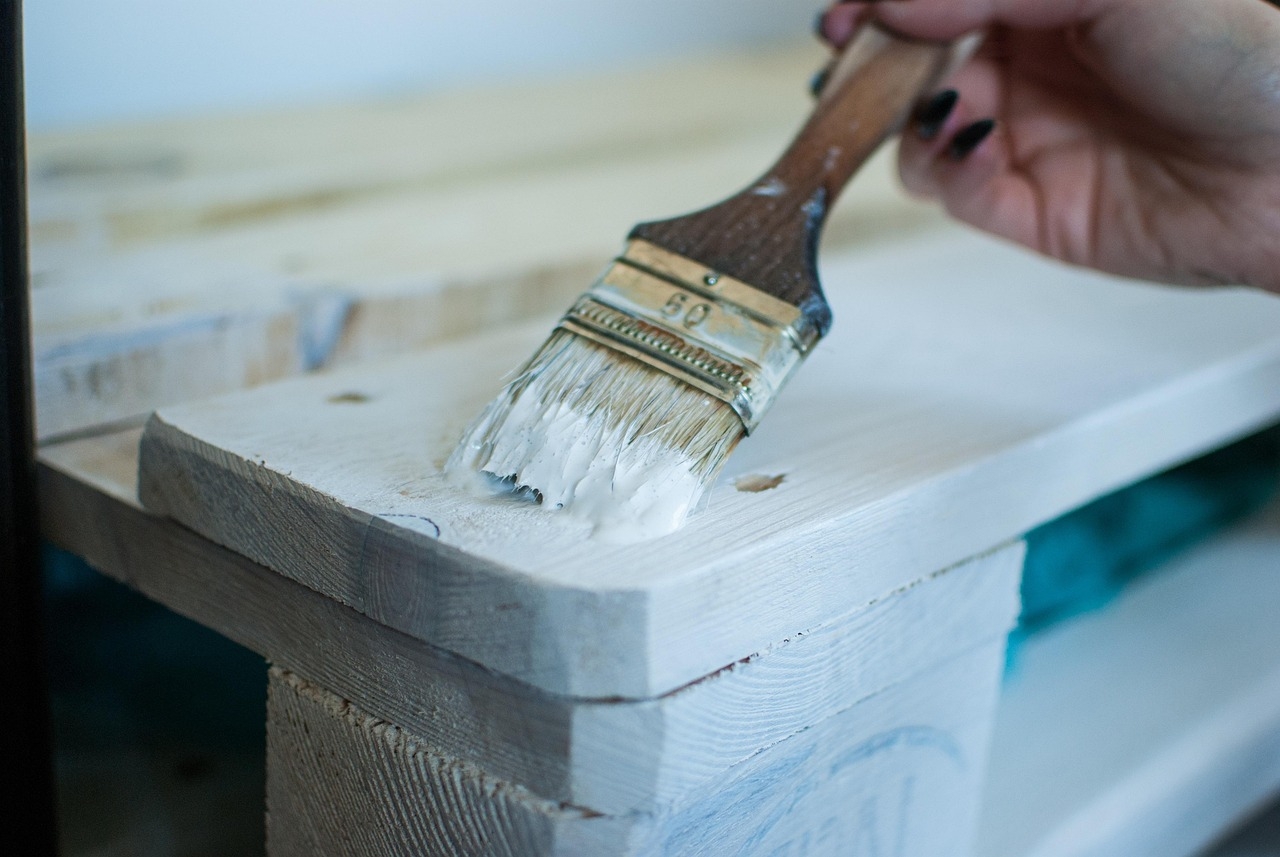
Paintbrushes are indispensable when it comes to cutting in along edges, painting trim, corners, and detailed areas that rollers cannot reach. Brushes come in various shapes and sizes, each suited to different tasks. Angled brushes excel at controlled stroke lines along corners and trim, while flat brushes cover broader or smoother areas.
Choosing the right brush bristle type also improves paint performance. Natural bristles tend to work best with oil-based paints, while synthetic bristles offer versatility and easier cleanup with water-based paints. High-quality brushes hold paint better and release it more evenly, reducing streaks and improving coverage.
Rollers: Efficiency on Large Surfaces
Rollers are essential for covering large surfaces such as walls and ceilings quickly and efficiently. They help distribute paint evenly, creating consistent coverage without the fatigue associated with brushing large areas by hand. Roller covers are available in different nap lengths, which refer to how much paint they can hold and how they interact with surface texture.
Short nap rollers are effective on smooth surfaces, while medium to long naps are better suited for textured walls or ceilings. Using the correct roller cover for your surface ensures even distribution, minimizes splatter, and reduces the number of coats needed. Pairing rollers with extension poles increases reach and reduces strain on your back and shoulders.
Accessories That Keep You Organized
While brushes and rollers often take center stage, accessory tools help keep you organized and efficient during painting projects. Paint trays and liners allow you to thinly load rollers, reducing dripping and excess buildup. Disposable liners make cleanup easier and help maintain consistency when switching between colors.
Drop cloths and protective coverings safeguard floors, furniture, and fixtures from accidental spills or splatters. Canvas drop cloths are especially useful because they resist slipping and absorb paint spills without sticking to painted surfaces. Plastic sheeting protects larger objects or surfaces that shouldn’t be painted.
Painter’s tape is another essential accessory. High-quality tape helps create crisp, clean lines and protects adjacent surfaces such as trim, baseboards, windows, and door frames. Removing tape while paint is still slightly wet prevents peeling or interfering with the finish.
Clean-Up Tools Extend Tool Lifespan
Proper cleanup is just as important as preparation and application. Maintaining tools ensures they perform well for future projects. Brush combs, wire brushes, and cleaning solutions help remove excess paint from bristles and rollers. Thorough cleaning after each use prevents bristles from becoming stiff and rollers from hardening, preserving their shape and efficiency.
Proper storage is also key. Organizing tools in a dry, secure location prevents rust, damage, or deformation. Well-maintained tools not only perform better but also save money by lasting longer.
Safety and Comfort While Painting
Painting can involve repetitive motion, standing for extended periods, and exposure to dust or fumes. Personal protective equipment (PPE) makes the process safer and more comfortable. Gloves protect hands from paint and solvents, while safety glasses shield eyes from splatter. Masks or respirators reduce inhalation of fine particles and fumes, especially when sanding surfaces or working with solvent-based products.
Appropriate clothing helps protect skin and reduces cleanup time after painting is complete. Comfortable footwear also helps maintain stability when working on ladders or uneven surfaces.
A trusted source for quality painting supplies and tool recommendations is Irvine Carpet One, offering tools and accessories that support both professional and DIY painting efforts.
Choosing Tools Based on Project Type
The type of project you’re tackling should influence your tool selection. Small detail work, such as trim or cabinetry, benefits from smaller brushes and compact rollers that offer controlled application. Larger room repaints and wall projects require larger roller frames and extension poles to improve efficiency.
Exterior projects introduce additional challenges such as weather exposure and rougher surfaces. Exterior surfaces often require larger nap rollers and brushes designed to hold more paint and withstand abrasive conditions. Matching tools to the scale and texture of your project helps you work smarter and achieve better results.
Tips for Using Painting Tools Effectively
Using the right tools is one thing; using them correctly is another. For example, loading a roller with the right amount of paint prevents heavy buildup that leads to drips. Rolling in a “W” pattern helps distribute paint evenly before filling in smaller sections. When brushing, work from unpainted areas toward fresh edges to minimize visible marks.
Practicing these techniques with quality tools improves your ability to control paint flow and achieve smooth finishes. Taking the time to learn and refine these methods pays off with cleaner application and fewer touch-ups.
Avoiding Common Tool-Related Mistakes
Even with quality tools, certain mistakes can undermine results. Applying paint too thickly often leads to extended drying times, runs, and cracking. Using the wrong nap size for a roller can result in uneven texture, while using low-quality brushes often creates visible streaks in the finish.
Taking the time to choose the appropriate tool for each task, maintain equipment properly, and apply paint mindfully reduces common issues that plague many painting jobs.
Final Thoughts
Painting is both a practical improvement and a chance to refresh or redefine a space. A successful outcome depends on preparation, product selection, application, and cleanup. Thoughtful selection and effective use of Painting Tools transform your experience by improving efficiency, enhancing finish quality, and reducing frustration. With the right tools and techniques, painting becomes a rewarding task that results in smooth, attractive, and long-lasting surfaces.