Precision Engineering: The Evolution of the Dosing Pump Industry

In the modern industrial landscape, where precision and efficiency define the bottom line, the ability to control fluid delivery with microscopic accuracy is no longer a luxury—it is a necessity. As we move through 2026, the Dosing Pump Industry has transformed from a sector focused on simple mechanical displacement into a high-tech arena of digital automation and chemical intelligence. These pumps, designed to inject precise volumes of chemicals or fluids into a flow, are the unsung heroes of clean water, safe medicine, and consistent food production.
Driving Factors: Safety and Sustainability
The primary engine behind the industry's recent growth is the global tightening of environmental regulations. As populations expand and industrial activity intensifies, the pressure on water resources has reached a breaking point. Municipalities and industrial facilities are now required to treat wastewater to unprecedented levels of purity. Dosing pumps are central to this effort, delivering exactly the right amount of coagulants, disinfectants, and pH adjusters. If a system adds too little, the water remains contaminated; too much, and the facility risks heavy fines and chemical waste.
Sustainability has also become a powerful market driver. In 2026, "chemical optimization" is a major corporate goal. Companies are moving away from traditional "over-dosing" strategies to ensure they only use the minimum required amount of expensive reagents. This shift has created a massive replacement market, where older, less accurate pumps are being swapped for high-precision metering systems that can pay for themselves through chemical savings in just a few years.
Technological Trends: The Rise of Smart Dosing
Perhaps the most significant change in the industry is the integration of the Industrial Internet of Things (IIoT). Modern dosing systems are no longer "set and forget" devices. They are now equipped with sensors that monitor flow rates, pressure, and even the chemical health of the fluid in real-time.
-
Digital Control: Stepper motor technology has largely replaced manual stroke adjustments. This allows for nearly infinite "turn-down" ratios, meaning a single pump can accurately deliver anything from a few drops an hour to hundreds of liters a day.
-
Remote Monitoring: Plant managers can now monitor pump performance from their smartphones, receiving alerts for leaks, blockages, or empty chemical tanks before they lead to a system-wide shutdown.
-
Predictive Maintenance: By analyzing vibration and heat signatures, AI-driven software can predict when a diaphragm or valve is about to fail, allowing for maintenance to be scheduled during planned downtime rather than in an emergency.
Regional Dynamics and Global Expansion
Geographically, the Asia-Pacific region continues to be the largest and fastest-growing market. Rapid industrialization in India and Southeast Asia, combined with China's massive investment in "Smart Water" infrastructure, has created an insatiable demand for reliable dosing technology. These regions are not just importing technology; they are becoming hubs for innovation, developing compact and cost-effective pumps tailored for smaller-scale municipal projects.
In North America and Europe, the industry is focused on specialized applications. The pharmaceutical and biotechnology sectors are demanding "micro-dosing" capabilities for the production of biologics and personalized medicines. In these environments, the pumps must meet stringent hygiene standards, often featuring "single-use" disposable flow paths to prevent cross-contamination between different batches of medicine.
Overcoming Industrial Challenges
Despite the optimistic trajectory, the industry faces significant hurdles. The high upfront cost of advanced digital dosing systems can be a barrier for smaller enterprises. Furthermore, as the equipment becomes more complex, there is a growing shortage of technical expertise required to maintain and troubleshoot these smart systems.
Manufacturers are responding by simplifying the user interface and creating modular "plug-and-play" systems. Instead of complex on-site engineering, facilities can now purchase "skid-mounted" dosing stations—pre-engineered, pre-tested units that only require power and fluid connections. This reduces the risk of installation errors and lowers the total cost of ownership.
The Road Ahead: 2027 and Beyond
As we look toward the end of the decade, the industry is poised to become even more integrated into the "circular economy." We are seeing the emergence of "Chemical-as-a-Service" models, where a pump manufacturer provides the equipment, the chemicals, and the monitoring for a flat monthly fee based on the volume of fluid treated. This aligns the interests of the manufacturer and the user—both want to use as little chemical as possible to achieve the desired result.
The dosing pump industry is no longer just about moving liquid; it is about moving data and delivering confidence. Whether it is ensuring a brewery’s beer tastes the same in every bottle or ensuring a city’s drinking water is safe for millions, these precision instruments are the vital links in the chain of modern civilization.
Frequently Asked Questions
What are the main types of pumps used in the dosing industry? The most common types are diaphragm pumps, which are prized for their leak-proof design and ability to handle aggressive chemicals. Peristaltic pumps are also widely used, especially in the food and pharmaceutical sectors, because the fluid only touches a replaceable tube, preventing contamination. Piston and plunger pumps are used for high-pressure applications.
How is the "Smart Dosing" trend changing industrial plants? Smart dosing allows for real-time adjustments based on sensor data. For example, if the acidity of a wastewater stream suddenly spikes, a smart pump can automatically increase the dosing of an alkaline solution to compensate. This prevents chemical waste, ensures better compliance with environmental laws, and reduces the need for manual labor.
Can dosing pumps be used for high-viscosity liquids like syrup or thick oils? Yes, but they require specific configurations. Peristaltic pumps are often the best choice for high-viscosity fluids because they rely on a simple "squeezing" motion rather than complex valves that might clog. Diaphragm pumps can also handle thicker fluids if they are equipped with specialized valves and larger ports.
More Trending Reports on Energy & Power by Market Research Future
US Microgrid Control System Market Share
US Marine Hybrid Propulsion System Market Share
分类
閱讀更多
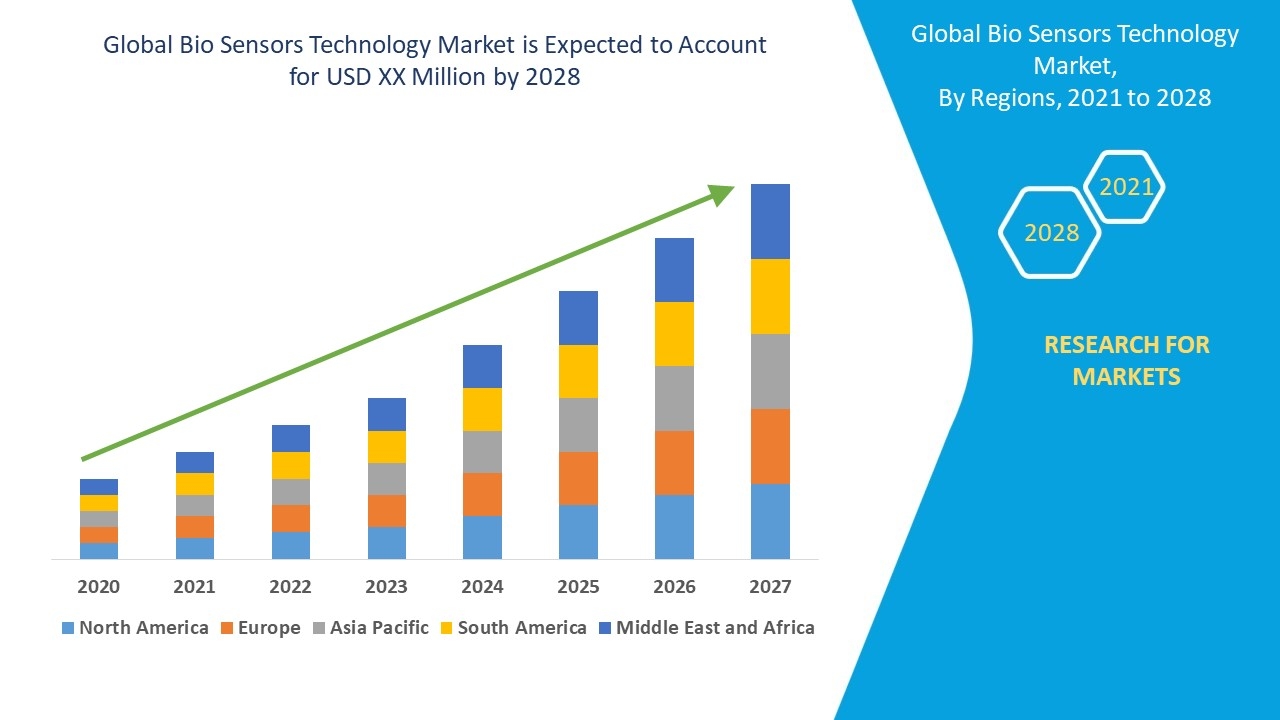
In a healthcare landscape increasingly defined by personalized medicine, real-time monitoring, and preventive care, bio sensors technology is emerging as a game-changer—delivering non-invasive, portable solutions that empower patients and clinicians alike. The global bio sensors technology market size was valued at USD 26.40 billion in 2024 and is projected to reach USD...
Buy Verified PayPal Accounts – Secure, Trusted PayPal Profiles for Smooth TransactionsIn today’s digital world, PayPal is one of the most trusted, widely used online payment systems. Whether you’re a freelancer, e-commerce seller, business owner, or international buyer, having a verified PayPal account is crucial for sending and receiving money safely.But creating and...