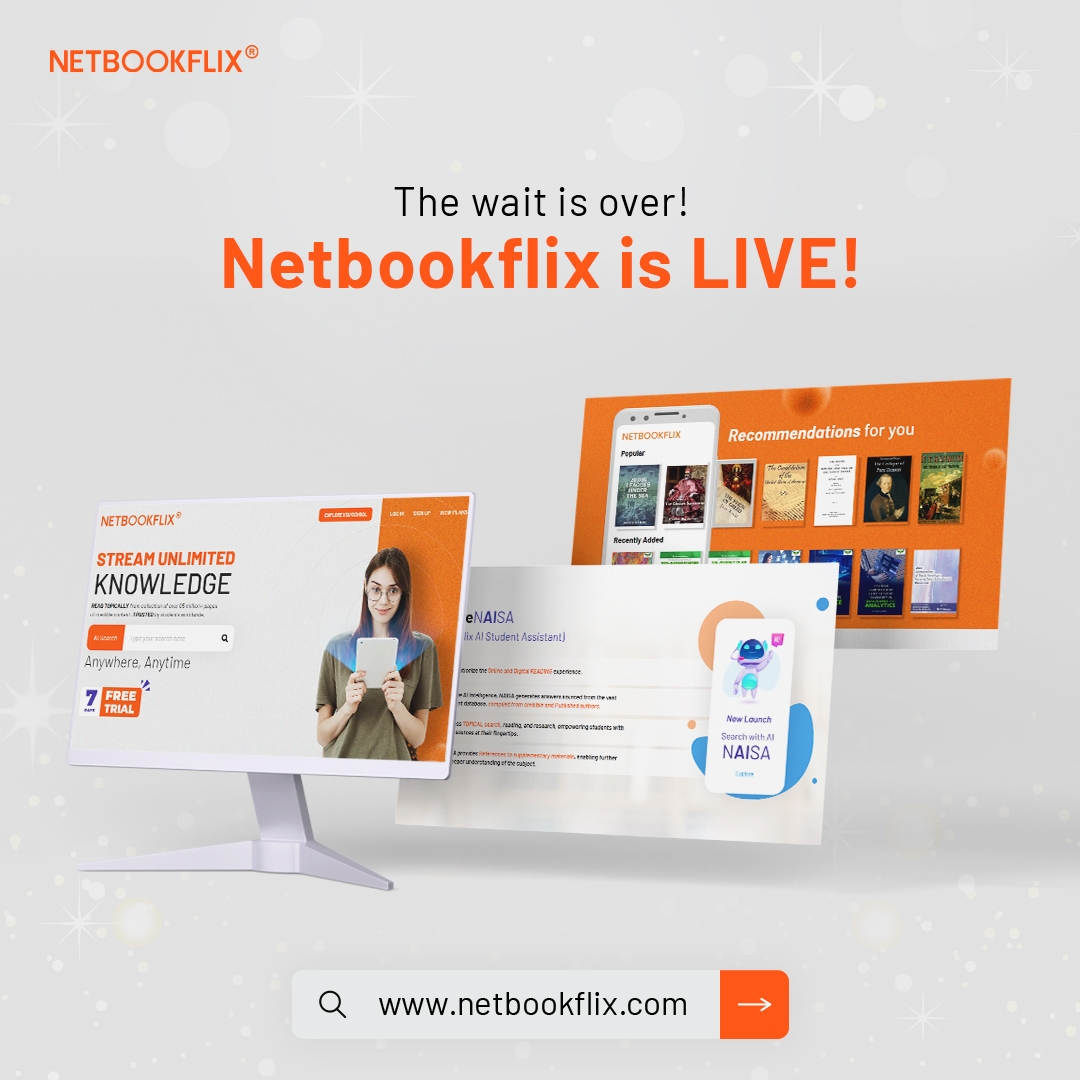

An online textbook platform is more than a digital shelf for PDFs. At its best, it’s a living learning environment where content is searchable, updatable, accessible on any device, and aligned with how students and educators actually work. As classrooms become increasingly hybrid and learners expect instant access to reliable material, online textbook platforms are filling gaps that printed books and static eBooks struggle to address.
This guide looks at what an online textbook platform really is, how online textbook platforms are used in practice, and why they matter for learners, teachers, and institutions. The focus here is on clarity and usefulness not sales talk.
What Is an Online Textbook Platform?
An online textbook platform is a web-based system that hosts academic textbooks and learning materials in digital form. Unlike simple eBook libraries, these platforms often include features such as search, annotations, multimedia integration, progress tracking, and collaboration tools.
Most online textbook platforms are designed to work across devices—laptops, tablets, and smartphones—so learning isn’t tied to a single location or format.
How Online Textbook Platforms Are Used in Real Life
Online textbook platforms show up in different ways depending on the user:
- Students use them to search topics instantly, highlight sections, add notes, and revisit concepts before exams.
- Educators rely on them to assign readings, update material, and align content with changing curricula.
- Institutions use platforms to standardize access, reduce physical distribution costs, and support remote learning.
A key advantage is flexibility. Content can be updated without waiting for a new edition, which is especially useful in fast-changing subjects like technology, medicine, and business studies.
Key Benefits of Using an Online Textbook Platform
1. Accessibility Across Devices
Online textbook platforms allow learners to access materials anytime, anywhere. This is particularly helpful for distance learning, working professionals, and students who rely on mobile devices.
2. Search and Navigation
Instead of flipping pages, users can search by keyword, jump to chapters, or follow internal links. This saves time and encourages focused learning.
3. Cost Efficiency
Digital distribution often lowers costs compared to printed textbooks. Many online textbook platforms also offer subscription-based or institution-wide access models.
4. Content Updates Without Reprints
Errors can be fixed, examples refreshed, and new sections added without replacing an entire book. This keeps content relevant.
5. Inclusive Learning Support
Features like adjustable font sizes, screen reader compatibility, and multilingual support make learning more inclusive.
Core Features to Look for in Online Textbook Platforms
Not all platforms are built the same. Practical online textbook platforms usually include:
- Advanced search and indexing for quick information retrieval
- Annotations and highlights synced across devices
- Offline access for low-connectivity environments
- Multimedia support, such as videos, diagrams, or audio explanations
- User analytics to understand reading patterns and engagement
These features directly affect how useful a platform is over time.
Online Textbook Platforms vs Traditional Textbooks
Traditional textbooks offer reliability and familiarity, but they have limits:
- They can’t be updated quickly
- They’re physically restrictive
- They don’t adapt to different learning styles
Online textbook platforms, by contrast, allow continuous improvement and personalization. That doesn’t mean print is obsolete, but digital platforms clearly solve problems print cannot.
Challenges and Limitations to Be Aware Of
Online textbook platforms also come with challenges:
- Internet dependency in some regions
- Digital fatigue for learners who spend long hours on screens
- Content quality variation across platforms
Understanding these limitations helps institutions plan better implementations rather than assuming technology alone will fix learning gaps.
Best Practices for Using Online Textbook Platforms Effectively
- Combine digital textbooks with active learning methods
- Encourage note-taking and annotations instead of passive reading
- Train educators and students to use platform features fully
- Regularly review and update content for accuracy
Online textbook platforms work best when treated as learning tools, not just file repositories.
FAQs About Online Textbook Platforms
1. What is an online textbook platform?
An online textbook platform is a digital system that provides access to textbooks and learning materials through the web, often with interactive features.
2. How are online textbook platforms different from eBooks?
Online textbook platforms offer tools like search, annotations, updates, and collaboration that standard eBooks usually lack.
3. Are online textbook platforms suitable for all subjects?
Yes, but they are especially effective for subjects that change frequently or benefit from multimedia explanations.
4. Do online textbook platforms require constant internet access?
Many platforms offer offline reading, though some features may still require connectivity.
5. Can educators customize content on online textbook platforms?
Some online textbook platforms allow educators to add notes, reorder chapters, or include supplemental materials.
6. Are online textbook platforms cost-effective?
They often reduce long-term costs by eliminating printing and distribution expenses.
7. How do online textbook platforms support accessibility?
Features like screen readers, adjustable text, and language options support diverse learning needs.
8. Is student data tracked on online textbook platforms?
Most platforms collect usage data to improve learning outcomes, usually following privacy guidelines.
9. Can online textbook platforms replace physical textbooks completely?
They can for many learners, but some still prefer print for specific study habits.
10. What should institutions evaluate before choosing an online textbook platform?
They should assess usability, content quality, accessibility features, and long-term support.
Conclusion
Online textbook platforms are reshaping how educational content is created, shared, and consumed. Their real value lies in flexibility, accessibility, and the ability to evolve with learners’ needs. When implemented thoughtfully, online textbook platforms support deeper understanding rather than just faster content delivery. As education continues to blend physical and digital spaces, these platforms are likely to become a core part of everyday learning.