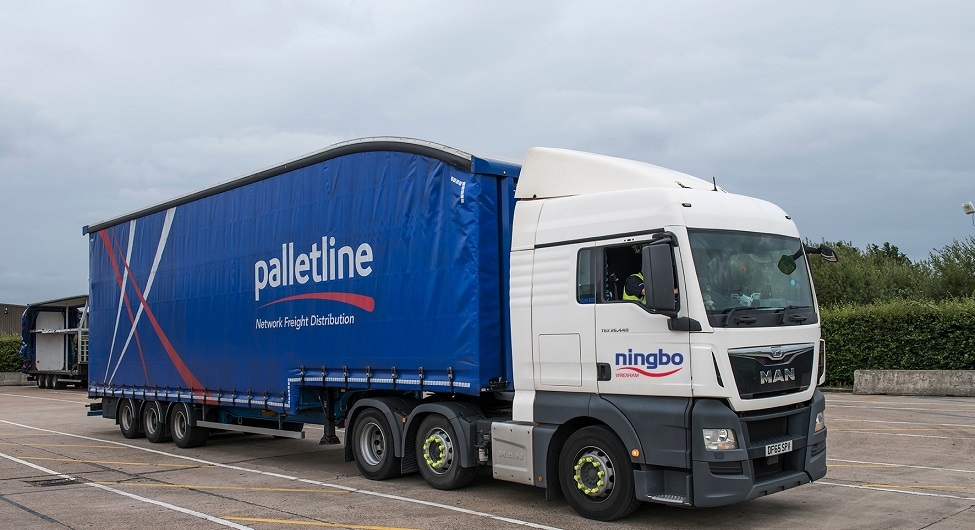
Palletised Distribution Services | Streamlining Supply Chains for Modern Businesses

In today’s fast-paced logistics world, efficiency, reliability, and cost-effectiveness are key. Companies face increasing pressure to deliver goods quickly while minimizing errors and operational costs. One solution that has transformed supply chain management is Palletised Distribution Services. By standardizing the way goods are transported, stored, and handled, businesses can achieve faster deliveries, better inventory control, and significant cost savings.
From retail stores to manufacturing units, palletised distribution plays a crucial role in ensuring that products reach their destination safely and on time. This article explores the benefits, processes, and future of palletised distribution services, offering insights for businesses looking to optimize their supply chains.
What Are Palletised Distribution Services?
Palletised distribution services involve the transportation of goods using pallets — flat platforms made of wood, plastic, or metal that hold products securely. Pallets allow multiple items to be stacked, moved, and stored efficiently using forklifts or pallet jacks. This method standardizes shipments, reduces handling time, and minimizes the risk of damage.
Unlike traditional bulk shipping, palletised distribution ensures that each unit load is consistent in size and weight. This consistency simplifies storage, handling, and transportation while making inventory management easier.
The Advantages of Palletised Distribution Services
Businesses across industries are increasingly adopting palletised distribution for several key reasons:
1. Increased Efficiency
Pallets allow faster loading and unloading of goods. Forklifts or automated systems can move entire pallets in one go, reducing manual labor and speeding up operations. This efficiency translates to faster deliveries and higher customer satisfaction.
2. Improved Safety and Reduced Damage
By securely stacking products on pallets and wrapping them properly, the risk of damage during transit is significantly reduced. This is especially important for fragile or high-value items.
3. Cost-Effectiveness
Although palletised shipping may have higher upfront costs due to pallet procurement and handling equipment, the reduction in product damage, labor hours, and transit errors results in overall cost savings. Businesses can also maximize vehicle space, reducing shipping costs per unit.
4. Simplified Inventory Management
With standardized pallet sizes and labeling, warehouse staff can track products more easily. This improves stock rotation, reduces errors, and enables better forecasting.
5. Flexibility Across Industries
Palletised distribution is versatile and used across sectors like retail, manufacturing, pharmaceuticals, and food & beverage. Businesses of all sizes can benefit from streamlined logistics operations.
How Palletised Distribution Services Work
The process of palletised distribution involves several coordinated steps:
Packaging and Palletisation
Products are packed and arranged on pallets according to weight, shape, and fragility. Items are secured using shrink wrap, straps, or nets to prevent shifting.
Labeling and Documentation
Each pallet is labeled with product details, destination, and tracking information. This ensures smooth handling throughout the supply chain.
Transportation
Pallets are loaded onto trucks, vans, or containers using forklifts or automated conveyors. Standardized pallet sizes allow efficient use of vehicle space.
Warehousing
Upon reaching warehouses, pallets are stored using racking systems. Inventory management software often integrates with pallet tracking to maintain accurate stock levels.
Distribution to Final Destinations
From the warehouse, pallets are either broken down into smaller shipments or delivered as full pallet loads to retailers, distributors, or end customers.
Technological Integration in Palletised Distribution Services
Modern palletised distribution services are increasingly using technology to enhance efficiency:
-
Inventory Management Systems (IMS): Track pallet movements and stock levels in real-time.
-
Warehouse Management Systems (WMS): Optimize storage and retrieval processes.
-
RFID and Barcode Tracking: Allow precise tracking of each pallet throughout the supply chain.
-
Automated Forklifts and Conveyor Systems: Reduce labor costs and improve speed.
Technology ensures that businesses can respond quickly to market demands while minimizing errors and delays.
Choosing the Right Palletised Distribution Partner
Selecting the right service provider is essential for maximizing the benefits of palletised distribution. Businesses should consider:
-
Experience and Expertise: A partner familiar with your industry and handling requirements.
-
Network Coverage: Ability to reach multiple regions efficiently.
-
Technology Adoption: Use of tracking, automation, and data analysis.
-
Flexibility: Capability to handle varying shipment sizes and special requirements.
-
Customer Service: Responsiveness and problem-solving capabilities.
A reliable palletised distribution partner helps companies streamline operations, reduce costs, and maintain customer satisfaction.
Sustainability in Palletised Distribution
Sustainability is becoming a priority in logistics. Many companies are adopting reusable pallets, optimizing vehicle loads, and reducing packaging waste. Eco-friendly practices not only reduce environmental impact but also appeal to environmentally conscious consumers.
By choosing palletised distribution services with sustainable practices, businesses can align logistics operations with corporate social responsibility goals.
The Future of Palletised Distribution Services
The logistics landscape is evolving rapidly. Some trends shaping the future of palletised distribution include:
-
Automation and Robotics: More warehouses will use robotics to handle pallets efficiently.
-
Data Analytics: Advanced analytics for demand forecasting, route optimization, and real-time monitoring.
-
Sustainability Initiatives: Increased adoption of reusable and recyclable pallets.
-
Integration with E-Commerce: Growth in online shopping requires efficient palletised shipping for both bulk and small orders.
Businesses that adopt these innovations will have a competitive edge in supply chain efficiency, cost control, and customer satisfaction.
Conclusion
Palletised distribution services have revolutionized the logistics and supply chain industry. By standardizing shipments, improving efficiency, and reducing risks, these services help businesses meet customer expectations while optimizing operations. From small businesses to large enterprises, palletised distribution provides a reliable and scalable solution for modern commerce.
Investing in a trusted palletised distribution partner ensures smoother operations, cost savings, and a more sustainable approach to logistics. As technology continues to advance and consumer expectations rise, palletised distribution services will remain a cornerstone of successful supply chain management.
Keyword Usage: “Palletised Distribution Services” used 6 times.