Sustainability and smart building design are no longer optional trends in the construction industry they are essential requirements. Governments, developers, and building owners are under increasing pressure to reduce environmental impact, optimize energy usage, and create buildings that are intelligent, efficient, and future-ready. At the center of this transformation stands the BIM Engineer.
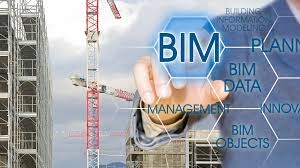
Building Information Modeling (BIM) has completely changed how sustainable and smart buildings are planned, designed, and delivered. BIM Engineers play a critical role in integrating data, technology, and design intelligence to ensure buildings perform better throughout their entire lifecycle. In this blog, we’ll explore how BIM Engineer support sustainable and smart building design and how professional BIM servicessuch as those provided by YourBIMPartner help projects meet modern environmental and technological standards.
Understanding Sustainable and Smart Buildings
Before diving into the role of BIM Engineers, it’s important to understand what defines a sustainable and smart building.
A sustainable building focuses on:
-
Reducing energy and water consumption
-
Minimizing material waste
-
Lowering carbon emissions
-
Improving indoor environmental quality
A smart building goes a step further by integrating:
-
Intelligent systems (HVAC, lighting, security)
-
Automation and sensors
-
Data-driven performance monitoring
-
Long-term operational efficiency
BIM Engineers connect these two concepts by using data-rich digital models to support both sustainability goals and smart technologies.
The Role of BIM Engineers in Sustainable Design
1. Energy-Efficient Design from the Early Stages
One of the biggest advantages of BIM is that sustainability can be addressed from the concept and design phase, not after construction begins. BIM Engineers create intelligent models that allow teams to analyze energy performance early.
Using BIM, engineers can:
-
Simulate energy consumption
-
Optimize building orientation
-
Evaluate insulation and glazing options
-
Analyze HVAC system efficiency
Early energy modeling helps designers make informed decisions that significantly reduce long-term energy use.
2. Material Optimization and Waste Reduction
Material selection plays a major role in sustainable construction. BIM Engineers help reduce waste by ensuring accurate material planning and usage.
With BIM models, teams can:
-
Generate precise quantity take-offs
-
Avoid over-ordering materials
-
Select sustainable and recyclable materials
-
Reduce on-site waste and rework
This level of accuracy supports cost efficiency while also lowering environmental impact.
3. Water Efficiency and Plumbing Optimization
Water conservation is a key sustainability goal, especially in regions with limited resources. BIM Engineers support water-efficient design by coordinating plumbing systems in detail.
BIM allows engineers to:
-
Optimize pipe layouts
-
Reduce unnecessary pipe lengths
-
Plan efficient drainage systems
-
Integrate water-saving fixtures
These improvements contribute to reduced water consumption and better system performance.
4. Daylighting and Natural Ventilation Analysis
Natural light and ventilation significantly improve occupant comfort and reduce energy demand. BIM Engineers use simulation tools to analyze how daylight and airflow interact with the building design.
Through BIM-based analysis, teams can:
-
Improve window placement
-
Reduce reliance on artificial lighting
-
Enhance natural ventilation strategies
-
Improve indoor air quality
These factors directly contribute to healthier, more sustainable buildings.
BIM Engineers and Smart Building Integration
5. Coordinating Smart Building Systems
Smart buildings rely on multiple interconnected systems such as HVAC, lighting, security, fire safety, and building management systems (BMS). BIM Engineers coordinate all these systems within a single digital model.
This coordination ensures:
-
Systems work together without clashes
-
Equipment is placed efficiently
-
Maintenance access is properly planned
-
Technology upgrades are easier in the future
Without BIM coordination, smart systems often conflict, leading to costly modifications.
6. Supporting Automation and IoT Integration
Modern smart buildings use sensors, automation, and IoT devices to monitor and control performance. BIM Engineers help integrate these technologies by embedding data directly into the model.
BIM models can include:
This creates a strong foundation for intelligent building operation and future digital upgrades.
7. Data-Driven Decision Making
BIM Engineers transform buildings into data-driven assets. Instead of relying on assumptions, project teams use real-time model data to make smarter decisions.
Data from BIM supports:
-
Energy performance tracking
-
Predictive maintenance planning
-
System optimization over time
-
Better asset management
This approach is essential for smart buildings designed to evolve with user needs.
Lifecycle Benefits of BIM for Sustainability
8. Construction Phase Efficiency
Sustainability isn’t only about design—it also applies to construction. BIM Engineers help reduce environmental impact during construction by:
-
Minimizing rework through clash detection
-
Improving construction sequencing
-
Reducing material transportation waste
-
Enhancing site coordination
Efficient construction processes lead to lower emissions and reduced project waste.
9. Long-Term Facility Management and Operations
The operational phase is where buildings consume the most energy and resources. BIM Engineers deliver detailed as-built models that support long-term sustainability.
These models help facility managers:
-
Monitor energy and water usage
-
Plan preventive maintenance
-
Extend equipment lifespan
-
Optimize building performance
This lifecycle-focused approach ensures sustainability continues long after project completion.
10. Supporting Green Building Certifications
Many projects aim for green building certifications such as LEED, BREEAM, or regional sustainability standards. BIM Engineers provide accurate documentation and performance data required for certification processes.
BIM helps track:
-
Energy efficiency metrics
-
Material sustainability data
-
Indoor environmental quality
-
Water usage performance
This simplifies compliance and increases the chances of achieving certification goals.
Why BIM Engineers Are Essential for Future-Ready Buildings
As cities grow smarter and environmental regulations become stricter, buildings must adapt. BIM Engineers ensure that projects are:
Without BIM expertise, sustainable and smart building goals become difficult—and often costly—to achieve.
How YourBIMPartner Supports Sustainable and Smart Building Design
Expert BIM services make a measurable difference in sustainable and smart construction projects. YourBIMPartner provides professional BIM solutions that support:
-
Sustainable architectural, structural, and MEP modeling
-
Energy-efficient system coordination
-
Smart building system integration
-
Clash detection and performance optimization
-
As-built BIM models for facility management
By working with experienced BIM Engineers, YourBIMPartner helps clients reduce environmental impact, improve building intelligence, and deliver future-ready projects.
BIM Engineers: Enabling Smarter, Greener Construction
Sustainability and smart technology are shaping the future of construction. BIM Engineers sit at the intersection of design, data, and performance ensuring buildings are not only constructed efficiently but also operate intelligently and responsibly.
From energy modeling and material optimization to smart system coordination and lifecycle management, BIM Engineers provide the technical foundation that modern buildings require.
Final Thoughts
Sustainable and smart buildings demand more than good intentions they require accurate data, precise coordination, and forward-thinking design. BIM Engineer make this possible by transforming complex ideas into intelligent, actionable models.
For projects aiming to meet modern sustainability standards and embrace smart building technologies, professional BIM support is essential. With expert BIM services from YourBIMPartner, developers, consultants, and contractors can confidently deliver buildings that are efficient, intelligent, and built for the future.