The Death of the Paper Trail: The 2026 Billing and Invoicing Software Market
In 2026, the humble invoice has undergone a radical transformation. No longer just a static document sent via email, modern invoicing is now a dynamic, AI-driven data point that triggers entire financial workflows. As businesses race toward "touchless" finance, the Billing and Invoicing Software market has become a central hub of the fintech ecosystem.
Valued at approximately $6.47 billion in 2026, the market is projected to skyrocket to over $32 billion by 2033. With a robust CAGR of 9.5% to 12.5% depending on the specific sector, this industry is being reshaped by three massive shifts: automation, regulation, and the rise of "Agentic AI."
What’s Driving the Market in 2026?
The days of manual entry are officially over. Several key catalysts are pushing even the smallest businesses toward sophisticated billing platforms:
-
Global E-Invoicing Mandates: Governments worldwide (notably across the EU, India, and Latin America) now require real-time "clearance" models. Invoices must be validated by government portals before they are even sent to the client, making compliant software a legal necessity rather than an option.
-
The "Agentic AI" Breakthrough: 2026 marks the rise of AI agents that don't just extract data but make decisions. These agents can autonomously resolve pricing discrepancies, detect fraudulent billing patterns, and even negotiate payment terms based on a client’s historical cash flow.
-
The Subscription Economy: From software to "car-as-a-service," recurring revenue models are the norm. Billing platforms have evolved to handle hyper-complex usage-based pricing, tiered subscriptions, and automated "dunning" (the process of managing failed credit card payments).
Market Landscape: 2026 Power Players
The market is currently a blend of legacy accounting giants and agile, AI-first newcomers.
| Segment | Growth Driver | Top Players |
| Enterprise ERP | Deep integration with global supply chains. | SAP, Oracle (NetSuite), Microsoft Dynamics. |
| SMEs & Freelancers | User experience and mobile-first accessibility. | Zoho Invoice, FreshBooks, QuickBooks. |
| Subscription Specialists | Complex recurring revenue and usage metrics. | Zuora, Stripe Billing, Chargebee. |
| Regional Specialists | Deep local tax compliance (e.g., GST in India). | TallyPrime, Giddh, HDPOS. |
Top Trends Redefining the Industry
1. Zero-Touch Invoicing
In 2026, the "Gold Standard" is an invoice that is created, sent, matched against a purchase order (PO), and paid without a human ever touching a keyboard. Leading platforms now achieve 98% automation accuracy, leaving human accountants to focus only on the most complex exceptions.
2. Embedded Payments
The line between "billing software" and "payment gateway" has blurred. Providers like Stripe and Square have integrated invoicing so deeply into their payment rails that "sending an invoice" and "receiving money" are now a single, seamless action, often supporting instant settlement via digital wallets or blockchain.
3. Predictive Cash Flow Analytics
Modern invoicing tools now act as financial advisors. By analyzing payment trends across millions of users, these platforms can predict exactly when a specific client is likely to pay, allowing business owners to proactively manage their working capital and avoid shortfalls.
Categories
Read More
If you're looking to buy aged Facebook accounts, you're probably ready to take your social media marketing game to the next level. Whether you’re a business owner, a marketer, or simply someone looking to scale your online presence, aged Facebook accounts can be a game-changer. Why? Because these accounts offer trust, engagement, and a head start in the competitive world of social media...

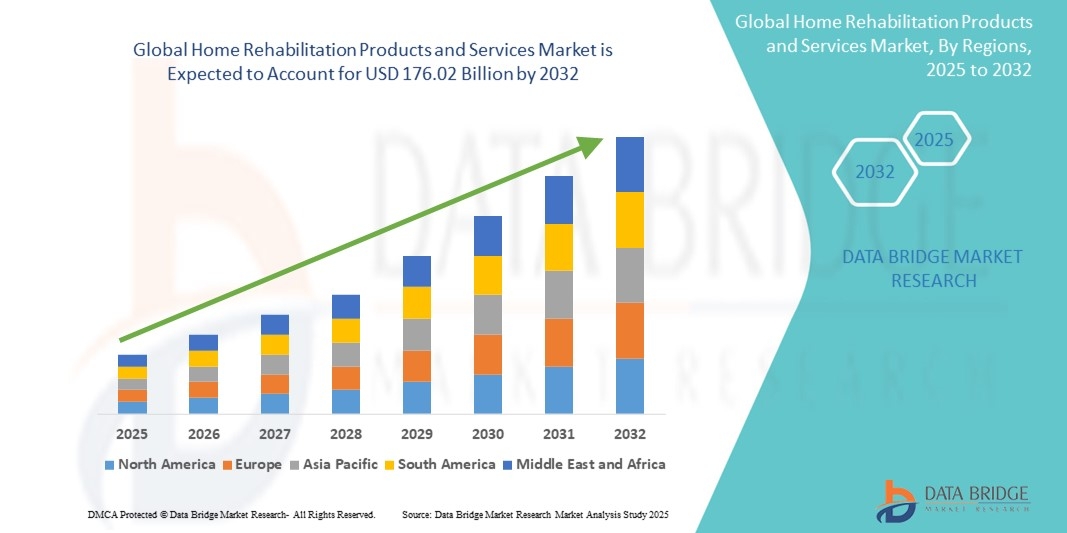
The Global Home Rehabilitation Products and Services Market is exhibiting sustained expansion as healthcare systems pivot toward patient-centric care and remote recovery solutions. The global home rehabilitation products and services market size was valued at USD 111.36 billion in 2024 and is expected to reach USD 176.02 billion by 2032, growing at a CAGR of 5.89%...
If you want to buy Facebook accounts bulk, you’re probably looking for a quick, safe, and easy way to grow your business, run ads, or manage multiple projects. Buying Facebook accounts in bulk saves you time, helps you avoid restrictions, and gives you the power to scale without headaches. In this guide, I’ll show you why it’s smart to buy Facebook accounts bulk, how it works,...

Cold Work Permits: Controlling the Risks Hidden in Everyday Jobs Most workplace injuries don’t happen during dramatic events or major system failures. They occur during routine jobs that feel harmless precisely because they are familiar. Tightening a fastener, removing a panel, making a small adjustment, or performing a quick inspection are tasks people repeat so often they barely...

