How Is ER4943 Wire Changing Vehicle Manufacturing?
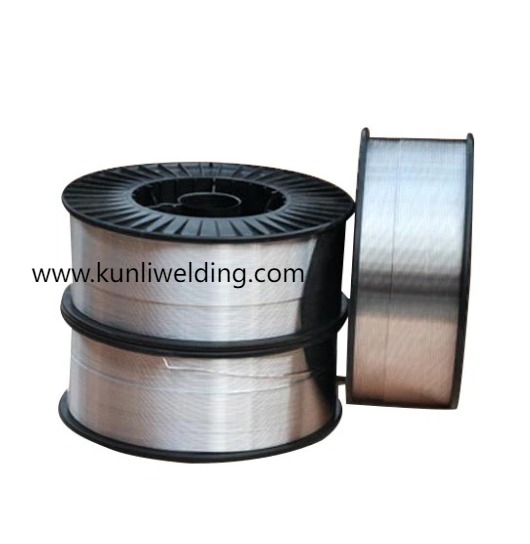
The transportation sector continues evolving toward lighter, more efficient vehicles across multiple platforms, driving demand for advanced welding materials. Kunli Aluminum Welding Wire ER4943 addresses specific challenges that arise when joining dissimilar aluminum alloys, making Aluminum Welding Wire ER4943 increasingly valuable in modern vehicle manufacturing. This versatile filler material contains silicon additions that improve fluidity and reduce cracking tendencies in welds joining incompatible base metals. Understanding where this wire appears within transportation applications reveals its growing importance in weight reduction initiatives and structural design innovations.
Automotive Frame and Chassis Construction
Vehicle manufacturers seeking weight savings without compromising safety increasingly turn to aluminum intensive designs. Frame rails and structural members often combine different aluminum alloys selected for specific properties in different locations. Traditional filler wires sometimes crack when joining these dissimilar materials due to thermal expansion mismatches and solidification behavior. This particular filler wire bridges these compatibility gaps, allowing engineers greater freedom in material selection. Crash structures benefit from the ability to weld heat treatable alloys to non heat treatable grades, optimizing energy absorption characteristics. The reduced weight contributes directly to improved fuel economy and handling dynamics.
Battery Enclosure Fabrication
Electric vehicle adoption has created demand for robust yet lightweight battery enclosures that protect energy storage systems. These protective housings typically combine extruded members with cast components and sheet metal panels. The variety of aluminum grades present in a single assembly challenges welders using conventional filler materials. Silicon bearing filler wires accommodate the thermal stresses and compositional differences inherent in these mixed material designs. The welds must maintain structural integrity while resisting vibration fatigue throughout vehicle life. Thermal management considerations also influence design, with aluminum construction facilitating heat dissipation from battery modules.
Commercial Truck Body Manufacturing
Long haul trucks and delivery vehicles utilize aluminum bodies to maximize payload capacity within weight regulations. Box trucks feature panels and structural frameworks made from various aluminum alloys chosen for specific attributes. Refrigerated trailers combine insulated panels with structural extrusions that must withstand constant temperature cycling. Flatbed trailers incorporate cast fittings welded to wrought aluminum beams and decking. The ability to create sound welds between these diverse components makes this filler wire valuable in commercial vehicle production. Repair facilities also stock this material for servicing damaged trucks, ensuring compatible repairs that restore original strength.
Rail Car Component Assembly
Passenger and freight rail cars increasingly incorporate aluminum to reduce weight and improve efficiency. Subway and commuter cars combine extruded profiles with cast door frames and sheet metal skin panels. The different alloy compositions previously required careful filler wire selection for each joint configuration. Using a single versatile filler material simplifies inventory management and reduces the likelihood of incorrect wire selection. Undercarriage components joining cast suspension parts to wrought structural members particularly benefit from the crack resistant properties this wire provides. The corrosion resistance inherent in aluminum construction extends rail car service life in harsh operating environments.
Aerospace Ground Support Vehicles
Aircraft servicing equipment operates in demanding conditions while requiring lightweight construction for maneuverability. Fuel trucks combine storage tanks with structural chassis members, often utilizing different aluminum alloys. Baggage tractors and pushback vehicles incorporate cast components welded to fabricated frames. Maintenance platforms feature telescoping sections that must remain lightweight yet strong enough to support workers and tools. The versatility of this filler wire allows manufacturers to optimize each component independently while ensuring compatible welds throughout assemblies. Mobile ground power units similarly benefit from reduced weight that improves positioning speed and fuel efficiency.
Marine Vessel Construction
Lightweight watercraft from high speed ferries to fishing vessels utilize aluminum construction extensively. Hull sections often combine marine grade sheet with extruded stiffeners and cast hardware. The galvanic environment created by saltwater exposure demands welds that resist corrosion while maintaining structural integrity. Different hull zones may specify various alloys based on local stress concentrations and exposure conditions. Traditional welding approaches struggled with certain alloy combinations, limiting design flexibility. The improved weldability this filler material provides expands engineering options in marine applications where weight directly affects speed and fuel consumption.
Specialty Vehicle Platforms
Fire trucks, ambulances, and mobile command centers all benefit from aluminum construction that reduces vehicle weight. These specialty platforms combine off the shelf chassis with custom fabricated bodies incorporating numerous alloy types. Emergency vehicle manufacturers must weld ladder racks, equipment compartments, and structural reinforcements to base vehicle frames. The diverse materials present in these assemblies previously required multiple filler wire types. Consolidating to a single compatible filler material streamlines production and reduces training complexity for welding personnel. Mobile medical facilities and disaster response vehicles similarly utilize this material in their construction.
Trailer and Towing Equipment
Recreational vehicle trailers, boat trailers, and utility trailers increasingly feature aluminum construction. These applications combine extruded frames with cast couplers and fabricated body panels. The exposure to road salt and weather demands corrosion resistant materials throughout. Weight reduction improves towing efficiency and allows smaller vehicles to haul heavier loads within rating limits. Horse trailers and equipment haulers benefit from the strength to weight advantages aluminum provides. The ability to weld dissimilar alloys allows manufacturers to select ideal materials for each component function.
Public Transportation Infrastructure
Bus manufacturing represents another growth area for this versatile filler wire. Transit buses combine structural extrusions with body panels and cast components in complex assemblies. School buses increasingly adopt aluminum construction to improve fuel economy and extend service life. Articulated buses feature flexible joints connecting multiple sections, requiring welds that accommodate movement and stress. The variety of alloys used throughout these large structures benefits from a filler material capable of joining incompatible base metals reliably.
Future Transportation Applications
Emerging vehicle technologies continue finding new applications for aluminum construction techniques. Autonomous delivery vehicles, urban air mobility craft, and hyperloop pods all explore lightweight materials. The engineering flexibility provided by Aluminum Welding Wire ER4943 supports innovation in transportation design by removing welding constraints that previously limited material combinations. As weight reduction remains a priority across all transportation modes, this filler material's adoption continues expanding.
The widespread implementation of this versatile filler wire across transportation sectors demonstrates its value in modern vehicle manufacturing. From automotive to marine applications, the ability to join dissimilar aluminum alloys enables engineering optimization previously difficult to achieve. For comprehensive welding solutions supporting transportation industry needs, visit https://www.kunliwelding.com/product/ to explore available options.
閱讀更多
(圖/ Unsplash) 內政部持續推動都市更新與危老重建政策,以提升國人居住品質並強化建物整體防災與抗災韌性。內政部國土管理署今(24)日表示,面對人口老化及少子化挑戰,內政部積極推動都市更新、危老重建及老宅延壽復新計畫,政策執行同時兼顧公共利益、社會責任及地主與開發者權益。除了公辦及民辦都更,未來亦將重點放在自主更新,並持續加強各界溝通,滾動檢討各項措施,以促進民眾參與及累積實質環境改善與安全提升成效。 MGBOX (圖/ 本報記者翻攝) 截至今年10月底,全國都市更新及危老重建累計核准案件達5,912件,其中3,538件已完成申報開工。內政部表示,後續將擴大都市更新相關政策措施,在保障住戶權益的同時,兼顧公益與社會責任,提供金融及專業協助,確保公共利益與私人利益取得適當平衡,藉此提升臺灣居住品質、建物安全及市容風貌。...

(圖/ 總統府) 2025年亞太經濟合作經濟領袖會議(APEC AELM)在釜山落幕,臺灣領袖代表、總統府資政林信義完成總統賴清德交付的三項外交任務,與日本首相高市早苗、美國財政部長貝森特(Scott Bessent)等多國代表進行交流。然而,峰會幕後卻一度出現外交摩擦。據透露,韓方以「無正式外交關係」為由,拒派中央級官員接機,引發外交敏感爭議。外交部獲報後立即展開交涉,並在友邦協助下促使韓方讓步,最終由APEC資深官員會議主席尹盛渼(Yoon Sung-mei)親赴金海機場迎接林信義,成功化解風波。...