Bridging Brain and Machine: Exploring Innovative and Practical Brain-Computer Interface Solutions
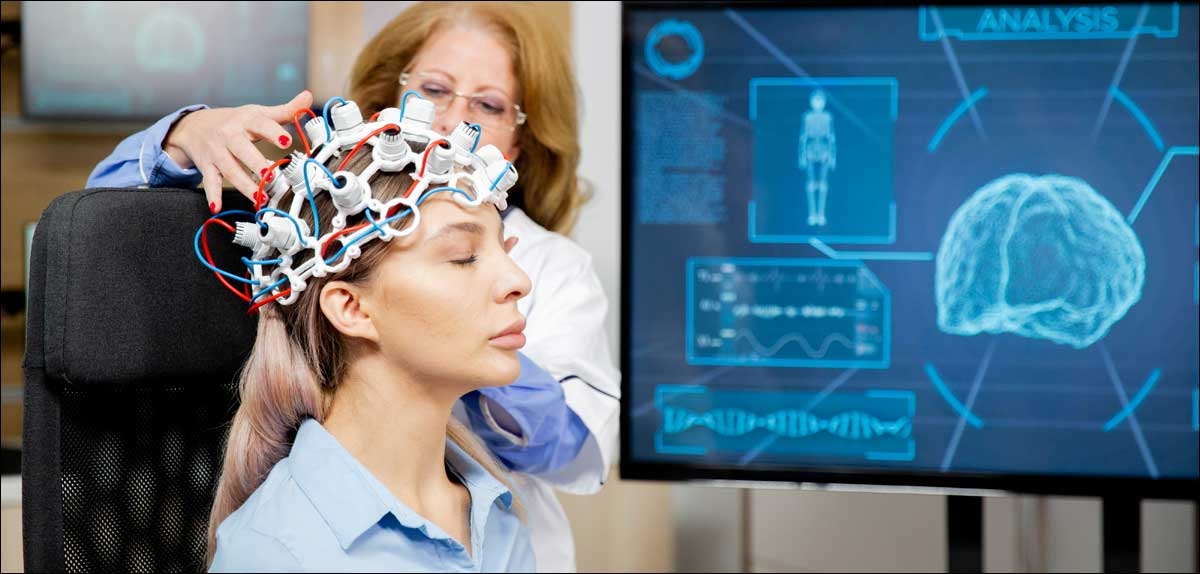
The journey to create a seamless link between brain and machine is paved with immense challenges, and the industry is actively developing innovative Brain-Computer Interface Solutions to overcome them. The most fundamental challenge for invasive BCIs has always been the trade-off between performance and safety. The traditional solution of rigid, needle-like electrode arrays, while effective, can cause tissue damage and scarring over time. A groundbreaking solution to this is the development of ultra-flexible, biocompatible materials. Companies are now creating electrode arrays on thin, polymer films that can conform to the brain's surface like plastic wrap, minimizing tissue damage. Another revolutionary solution is endovascular BCIs, like Synchron's "stentrode," which are delivered through blood vessels, completely avoiding the need for open-brain surgery and offering a much safer alternative for long-term implantation.
For non-invasive BCI, the primary problem has always been poor signal quality, as the skull and scalp blur and weaken the brain's electrical signals. The key solution here lies in the power of software and advanced signal processing. By applying sophisticated artificial intelligence and machine learning algorithms, developers can create models that are incredibly adept at filtering out noise and extracting meaningful patterns from low-resolution EEG data. Another hardware-based solution is the development of next-generation sensors. Researchers are exploring novel sensor technologies, such as optically pumped magnetometers (OPMs), which can measure the magnetic fields produced by neural activity with much higher fidelity than traditional EEG, while still remaining non-invasive. These software and hardware solutions are progressively closing the performance gap between non-invasive and invasive systems.
A major practical hurdle for all types of BCI is the issue of usability and the "signal-to-noise" problem of everyday life. A BCI that works perfectly in a quiet lab may fail in a noisy, distracting real-world environment. A powerful solution to this is the development of multi-modal BCI systems. These solutions combine brain signals with other inputs, such as eye-tracking, muscle signals (EMG), or voice commands. By fusing these different data streams, the system can better understand the user's context and true intent, leading to more robust and reliable control. For example, the system could use eye-tracking to determine what object a user is looking at, and then use the brain signal to confirm the "select" command, reducing the chance of accidental activation and creating a more intuitive user experience.
Finally, the immense ethical challenges posed by BCI require thoughtful and proactive solutions. The potential for misuse of neural data necessitates a robust "neurosecurity" framework. One solution is to implement on-device processing, where sensitive neural data is analyzed locally on the user's device rather than being transmitted to the cloud, minimizing privacy risks. Another critical solution is the establishment of clear ethical guidelines and legal rights, sometimes referred to as "neurorights." These would aim to protect an individual's mental privacy, personal identity, and free will from being manipulated or exploited by BCI technology. Engaging in transparent public discourse and creating independent oversight bodies are essential solutions for ensuring that this powerful technology is developed and deployed in a manner that respects human dignity and autonomy.
Explore More Like This in Our Regional Reports:
Categories
Read More
"Executive Summary Vinegar Market Opportunities by Size and Share The global vinegar market size was valued at USD 1.94 billion in 2024 and is expected to reach USD 3.21 billion by 2032, at a CAGR of 6.50% during the forecast period. The market growth is primarily driven by increasing consumer preference for natural and organic food products, coupled...

Secure Source to Buy Verified Skrill Accounts Quickly: Trusted & Fast Are you looking for a fast and safe way to get verified Skrill accounts? Finding a reliable source can be tricky and time-consuming. You want accounts that work smoothly, without any risk of being blocked or flagged. Imagine having access to verified Skrill accounts instantly, giving you the freedom to send and receive...
Buy GitHub Account Introduction to GitHub and Its Benefits GitHub has revolutionized the way developers collaborate and share their code. This powerful platform is not just a repository; it's a vibrant community where innovation thrives. With millions of projects hosted, it serves as an essential tool for coding enthusiasts, professionals, and businesses alike.But what if you could jump...

Looking to Buy Verified MEXC Accounts quickly and securely? GrowBizOnline offers a wide range of fully verified, PVA, and trusted MEXC accounts that are perfect for trading, investing, business operations, and personal use. All accounts are aged, high-quality, and ready for immediate access, ensuring a smooth and reliable experience. Whether you need a single account or multiple accounts in...

In modern cleanroom operations and medical packaging environments, ensuring a stable barrier against contaminants while allowing air permeability is crucial. One solution addressing this need is the Tyvek Breathing Cover , crafted by Hopeway AMD to balance breathability with reliable protection during sterilization and storage. The material's structure plays a key role—it's composed...

