Industrial Surface Mounted Socket by Nante: Maintenance-Friendly Design
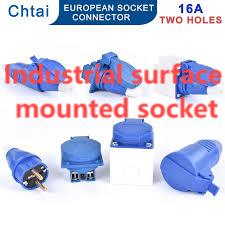
In many industrial settings, specifying the right Industrial surface mounted socket early saves time and prevents rework, because a well-chosen unit balances robust protection with ease of maintenance; engineers increasingly prefer Industrial surface mounted socket models that offer sealed contacts, clear wiring spaces, and proven mechanical strength for heavy-duty use. This article examines why surface-mounted sockets are preferred in harsh environments, how design decisions affect longevity, and what installers should consider when selecting components for commercial and industrial applications.
1. Why Surface Mounting Matters in Industrial Environments
Surface-mounted sockets reduce the need for recessing into finished walls, which speeds installation and avoids weakening structural substrates. For retrofits or locations with limited cavity depth—concrete, masonry, or prefabricated panels—surface mounting is often the only practical option. By placing the socket body on the finished plane of the wall, technicians gain better access for inspection and maintenance while minimizing dust and moisture intrusion points when properly sealed.
2. Mechanical Protection and Ingress Considerations
Industrial sites expose electrical components to dust, water spray, impacts, and chemical residues. Look for housings rated for the appropriate IP level to match site conditions—IP65 and above for frequently wet or dusty areas. Tough enclosures use impact-resistant plastics or powder-coated steel and include reinforced mounting points to prevent deformation under stress. Gasket design and continuous hinge systems also affect long-term sealing performance; poorly specified closures often become the weak link in an otherwise robust assembly.
3. Wiring Space, Cable Management, and Safety Features
Adequate internal clearance makes a surface-mounted socket easier and safer to wire. Configurations that provide removable backplates, labeled knockouts, and integrated cable glands reduce installation time and support tidy routing. Look for clearly separated terminals for live, neutral, and earth with sufficient torque ratings, and for sockets that allow easy inspection without disrupting connections. Built-in sacrificial features—such as replaceable contact inserts—can lower total lifecycle cost by enabling repairs rather than full replacement.
4. Nante Product Line: Certifications and Compatibility
Choosing products from reputable manufacturers—such as Nante—helps ensure consistent quality and regulatory compliance. Verified certifications (CE, IEC, or local compliance marks) signal that a socket meets electrical safety and performance benchmarks. Compatibility with common accessory modules—surge protection devices, locking covers, and auxiliary switches—adds flexibility for future upgrades. Additionally, manufacturers that publish clear datasheets, wiring diagrams, and mounting templates simplify procurement and installation planning.
5. Environmental and Thermal Performance
Temperature extremes and thermal cycling affect contact resistance and material life. Select sockets with materials rated for the local temperature range and consider thermal management strategies if devices will be installed near heat sources. Ventilation approaches—such as using conductive mounting plates or thermally conductive fillers—help dissipate heat from densely packed electrical arrays. For corrosive atmospheres, opt for stainless hardware and protective coatings to prevent accelerated degradation.
Practical Selection Checklist for Installers
When evaluating surface-mounted sockets for an industrial project, use a checklist: required IP/IK ratings, mounting substrate type, environmental exposures (chemicals, UV, salt), necessary certifications, terminal capacity and torque values, and compatibility with planned accessories. Request sample units for fit checks in tight spaces and verify spare-part availability from suppliers. Prioritize units with straightforward maintenance access and clear labeling to reduce downtime during servicing.
Installation Tips and Long-Term Maintenance
Accurate alignment during mounting prevents gasket pinch and ensures consistent sealing. Use appropriate fasteners and washers to distribute load and match substrates—anchor bolts for masonry, vibration-resistant fasteners for machinery mounting. Seal penetrations with compatible sealants and check torque settings after an initial thermal cycling period. Schedule periodic inspections for gasket integrity, terminal torque, and housing damage; replace sacrificial parts as needed to maintain system integrity.
Conclusion
Surface-mounted sockets tailored for industrial use combine practical mounting advantages with durable construction, serviceable internals, and compliance-minded design. By focusing on ingress protection, thermal performance, clear wiring space, and verified certifications, project teams can reduce lifecycle costs and improve reliability. Thoughtful selection and routine maintenance keep installations safe and operational. For technical support, detailed specifications, and distributor information, please visit www.nante.com
Categories
Read More
Complete Guide: Buy Verified Stripe Accounts Safely Are you looking to streamline your online payment processes? If so, buying verified Stripe accounts is the key. With a trusted platform like Stripe, businesses can manage transactions efficiently while ensuring safety and compliance. But what if you could skip the long setup and get immediate access to fully verified accounts? Here’s...

Google Voice is a service from Google. It gives you a phone number you can use on many devices. You can make calls, send texts, and get voicemails. Some people want to buy Google Voice accounts for many reasons. This article will explain what a Google Voice account is and why people buy them. visit now : https://usasmmitshop.com/product/buy-google-voice-accounts/ ––➤ If you need...

(圖/ 總統府) 台灣上市櫃公司協會今(9)日舉辦「十年共榮,企業永續驅動力論壇」,總統賴清德以錄影方式致意,肯定上市櫃企業長期為臺灣經濟奠定穩固基礎,更在全球局勢變動下展現強大韌性。他並期勉企業持續推動永續、導入人工智慧(AI)、落實 ESG,以「以大帶小」的精神帶領供應鏈共同升級,攜手打造經濟更強韌、社會更公平、環境更永續的臺灣。 賴總統指出,上市櫃公司協會成立十年來,成功凝聚企業力量,強化公司治理與永續策略,使臺灣在疫情衝擊及國際環境變動中仍保持穩健成長。截至今年 9 月底,臺灣上市櫃總市值突破 3 兆美元,居全球第 8,展現企業是國家經濟火車頭,也是臺灣競爭力的核心。 MGBOX 他表示,無論國際局勢如何變化,數位轉型與綠色轉型都是企業與國家長期繁榮的根基。面對智慧化浪潮,政府將推動「AI...
In this article, we will delve into the often dreaded topic of negative Trustpilot reviews. Should you consider purchasing them for your business? We will discuss the potential effects of negative reviews on your online reputation, the ethical implications of buying reviews, and whether this controversial strategy is truly worth the risk. By the end of this article, you will have a better...

Theatrical Reimagining of "High Noon Rehearsal space walls pulse with frontier ghosts Faded 1870s faces gaze upon actors' modern motions Billy Crudup channels Gary Cooper's haunted lawman Denise Gough embodies Grace Kelly's conflicted bride Tim Hatley's blueprints transform London into Hadleyville A skeletal buggy stands center stage awaiting vengeance Director Thea Sharrock weighs design...

