How Much Do Construction Companies Spend on Safety?
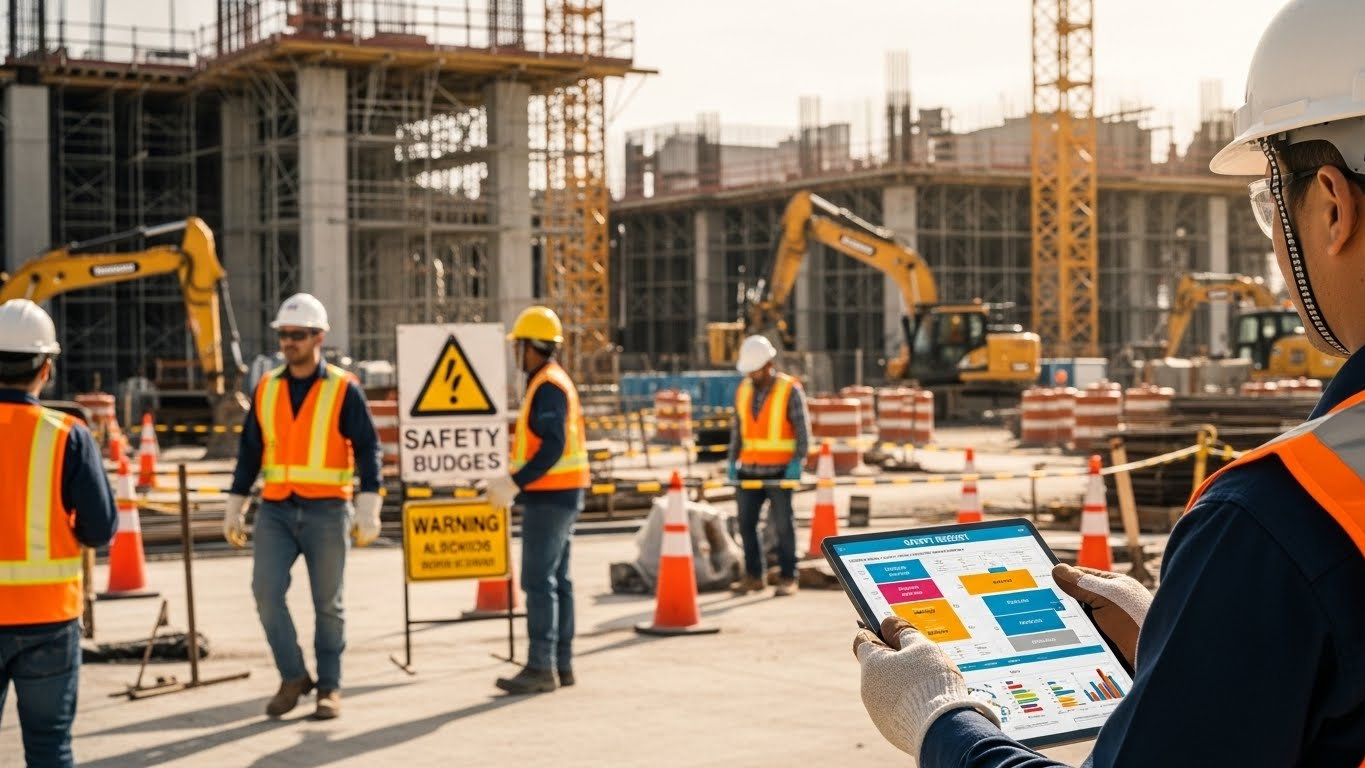
When people want to know how much construction companies spend on safety, what they’re really asking is something more fundamental: How much value does the industry assign to protecting its workers? Construction is dangerous, and each year millions of dollars are spent to ensure people make it home after a long day of sawing and hammering. Here’s the thing: Safety isn’t just a cost, it’s an investment that saves lives and dollars.
Why Safety Spending Is More Important Than Ever
Safety on construction sites isn’t a luxury. It’s a legal and moral duty. Accidents result in medical bills, delayed projects, damage to equipment, and occasionally the kind of loss you can’t undo. When a company decides to save money on safety, its workers and bottom line suffer.
That’s why safety budgets are no longer a corollary to project planning, but rather the clock springs of that planning. A large number of companies rely on cost estimating services in the preliminary stage, so as to project safety costs precisely. This enables them to find a balance between worker protection and project profitability, smart and fair.
The Real Numbers: What Companies Really Spend
Globally, construction firms allocate between 2% and 6% of their project costs to health and safety. This percentage can go even higher on big infrastructure projects. The number itself can vary, depending on the type and size of the project, its location in the world, and just how risky it is.
For example:
-
A small homebuilder may spend $20,000 to $50,000 a year on safety programs.
-
A highway project’s big contractor, meanwhile, could lay out millions, on things like training and equipment as well as audits and compliance checks.
What this essentially translates to is the safer the site, the easier life becomes. No shutdowns. No costly accidents. Just steady progress.
Where the Money Goes: Dissecting Costs on Safety
Safety in construction isn’t a single add-on cost. It’s a series of small, linked, expensive things. Let’s break it down.
Training and Certification
Workers need knowledge. Safety training sessions, first-aid courses and licensure programs enable them to identify risks and jump in quickly. A well-trained staff dramatically reduces the likelihood of accidents.
Personal Protective Equipment (PPE)
Helmets, gloves, harnesses and vests, it all counts! One set of PPE can cost, say, $100 to $300 per worker, but it prevents injuries valued in the thousands.
Site Safety Supervision
Site safety officers prevent violations of OSHA standards. Their role is to watch, direct and stop unsafe behavior before it makes headlines.
Compliance and Documentation
Permits, insurance, safety audits and reporting systems cost money. But the consequences for not attending can include legal trouble and substantial fines.
Technology and Smart Safety Tools
Construction safety now involves drones, wearable sensors and site-monitoring apps. These instruments are capable of reading hazardous situations faster than human eyes could in some cases.
The Price of Inattention: What Happens When Safety isn't Prioritized
Let’s be honest: safety shortcuts kill projects. According to the U.S. Occupational Safety and Health Administration (OSHA), accidents on construction sites result in more than $170 billion of combined direct and indirect costs to businesses each year. That’s lost man hours, damaged equipment, lawsuits, and higher insurance premiums.
And worse, just one death can cost a company in the millions of dollars through legal settlements and lost reputation. The emotional toll? Priceless and permanent.
Conversely, it’s been documented that for every $1 spent on safety, you return $4–$6 in prevented costs. That’s a huge positive ROI that few other investments could come close to!
Factors That Affect Safety Budgets
Construction is not one size fits all. Safety spending for a company will be determined by several factors:
-
Size and Type of Project: Larger, riskier projects (such as bridges or high-rises) require larger safety budgets.
-
Regulation: Tougher laws in certain markets will increase the cost of being compliant.
-
Company Culture: Companies with a safety-first culture spend more at the start, but less in the long run.
-
History: Companies with bad safety histories pay higher insurance rates and fines, raising future costs.
The ROI of a Safe Site
A safe job site is also an efficient running one. Workers believe in management, morale goes up, productivity takes a spike. Delays are erased because accidents do not impede progress. Clients take notice, and trust begins to build.
When a business invests in safety, it also invests in:
-
Brand reputation
-
Worker loyalty
-
Lower insurance costs
-
Higher bid competitiveness
Here’s what’s true and powerful: Safety is not a drain on profits; it’s a driver of them.
Establishing the Right Cost Between Safety and Budget: The Smart Way
Many firms have implemented digital tracking, predictive analytics and automated reporting to better control the costs of safety. So, rather than reacting to accidents, they predict it.
It’s about finding equilibrium. Splurge enough on safety, but not so much that money dries up for building. Smart budgeting, sustained training and ongoing feedback loops are critical.
When leadership treats safety like culture, not compliance, results get better.
Conclusion
So, how much do construction firms spend on safety? Sufficient to safeguard what should matter most, people. It is typical for 2 to 6 percent of a project’s overall cost to go toward keeping the site safe, but the real return is much higher. How expensive is safety in today’s market? However, the real question is not how much does safety cost, but how much does danger cost when you get it wrong?” When you invest in safety, there will be fewer accidents, lower claims costs and less reputation damage in the long run.
FAQs
How much does the construction industry invest in safety annually?
Most international construction contractors invest 2 to 6% of the value of their project work in safety each year. If the project is big, or if it’s a risky place, this can go beyond that. Ongoing investments in training and technology also contribute to the annual amount.
Why Safety Spending Matters to Construction Companies
The safety investment stops costly accidents; legal entanglements, reputation problems. A good safety record translates into job site confidence and productivity, as well as better financial results in the long run.
At what interval should I review my safety programs?
Safety programs should be re-evaluated and revised every 6-12 months according to safety experts. This is to keep up with developments in rules, technology and findings of recent incidents.
It saves money to spend on safety?
Yes. According to numerous studies, every $1 invested into safety can save up to $6 in costs associated with accidents, downtime and claims.
閱讀更多
The anticipation surrounding Brawl Stars' upcoming update has stirred a whirlwind of emotions within its community. Fans are passionately debating whether the new changes will revitalize the game or detract from its core experience. While some players eagerly await innovations that could refresh gameplay, others express skepticism, fearing that the direction might lead to increased monetization...

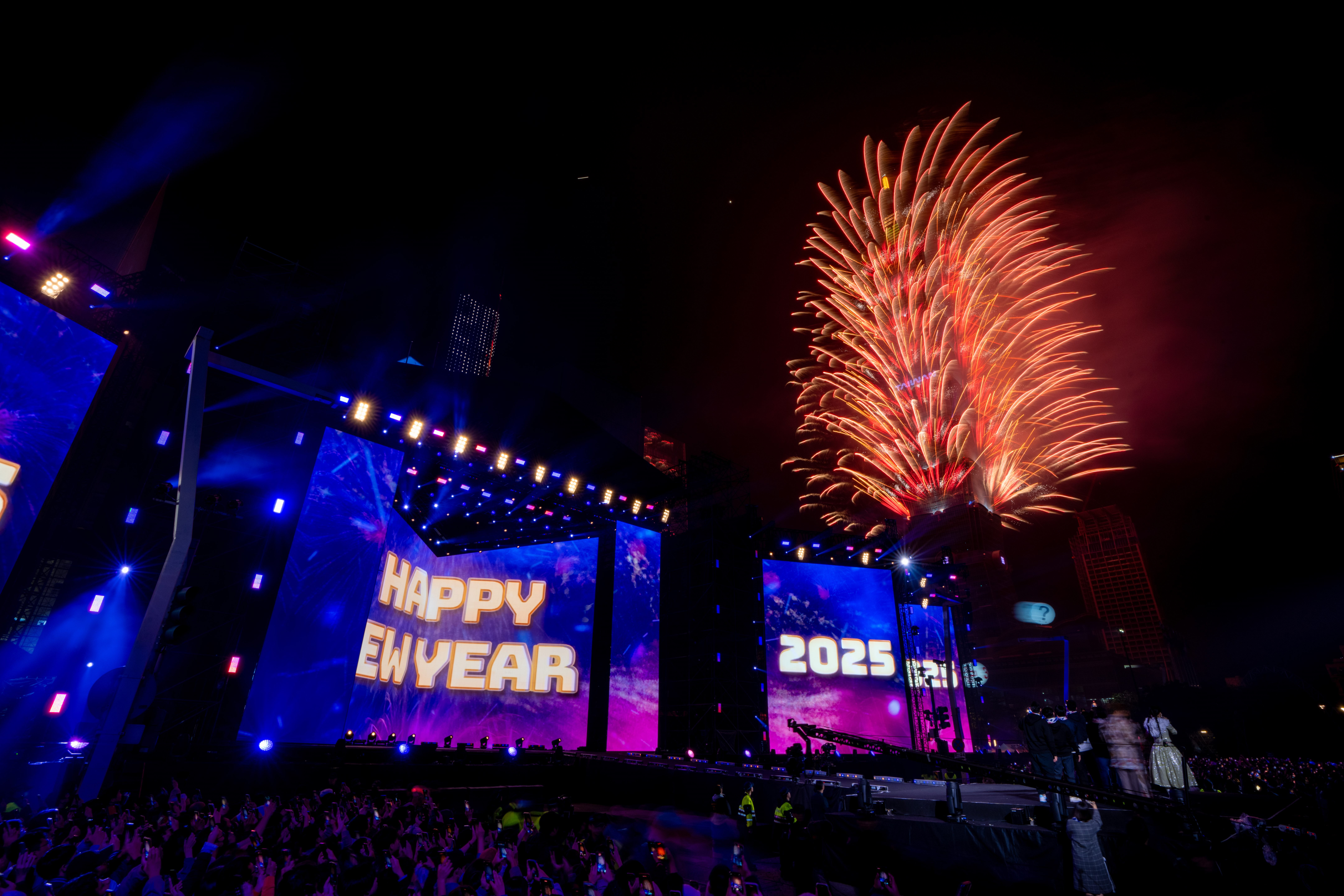
(圖/ 臺北市政府觀光傳播局) 臺北市政府觀光傳播局今(5)日宣布,「臺北最High新年城-2026跨年晚會」推出三大方式,讓民眾輕鬆取得搖滾區入場資格,邀請民眾在12月到臺北體驗豐富精彩的城市活動。除了先前公布的蔡健雅、韋禮安、U:NUS等卡司將現場表演,今年活動更結合住宿優惠與線上抽獎,提升跨年參與便利性與互動體驗。 MGBOX 觀傳局表示,民眾可透過三種方式獲得搖滾區入場證:第一,與超過600家臺北旅館飯店合作,民眾連續入住2晚並提供住宿發票與明細,即可獲得限量入場證;第二,透過跨年專屬遊程,白天暢遊臺北市區景點,晚上專車直達晚會搖滾區,一站式體驗跨年;第三,參與「Humans of Taipei 我是台北人」Facebook期間限定抽獎活動,於指定地點與史奴比裝置物拍照並上傳,即可抽中雙人入場證及限量紀念品。詳細活動辦法請上「Humans of Taipei...
The accelerating digital transformation across industries has created a heightened need for transparency and accountability in data usage. Companies are under growing pressure to implement systems that provide users with clear visibility into how their personal data is collected and processed. This shift in global digital culture has put Consent Management Market trends in the spotlight...
(圖/ 翻攝自育華工業官網) 臺中大甲的自行車前叉大廠育華工業,近日正式公告將於2025年12月31日全面停業,並提前展開庫存出清,所有產品以六折優惠出售,未來不再接受新訂單。這起事件震撼自行車產業鏈,不僅突顯匯率與關稅帶來的壓力,也揭示臺灣傳統製造業在全球市場中所面臨的嚴峻挑戰。 臺灣產業一向依賴出口,但新台幣持續升值,使得出口競爭力下降,再加上美國對臺灣祭出「20+N」對等關稅,等於在主要市場設下雙重門檻。匯率升值直接壓縮廠商毛利空間,而高額關稅則讓價格優勢蕩然無存。當全球市場需求遲遲未見回溫,傳產出口企業更難以承受。 (圖/ 翻攝自育華工業官網)...

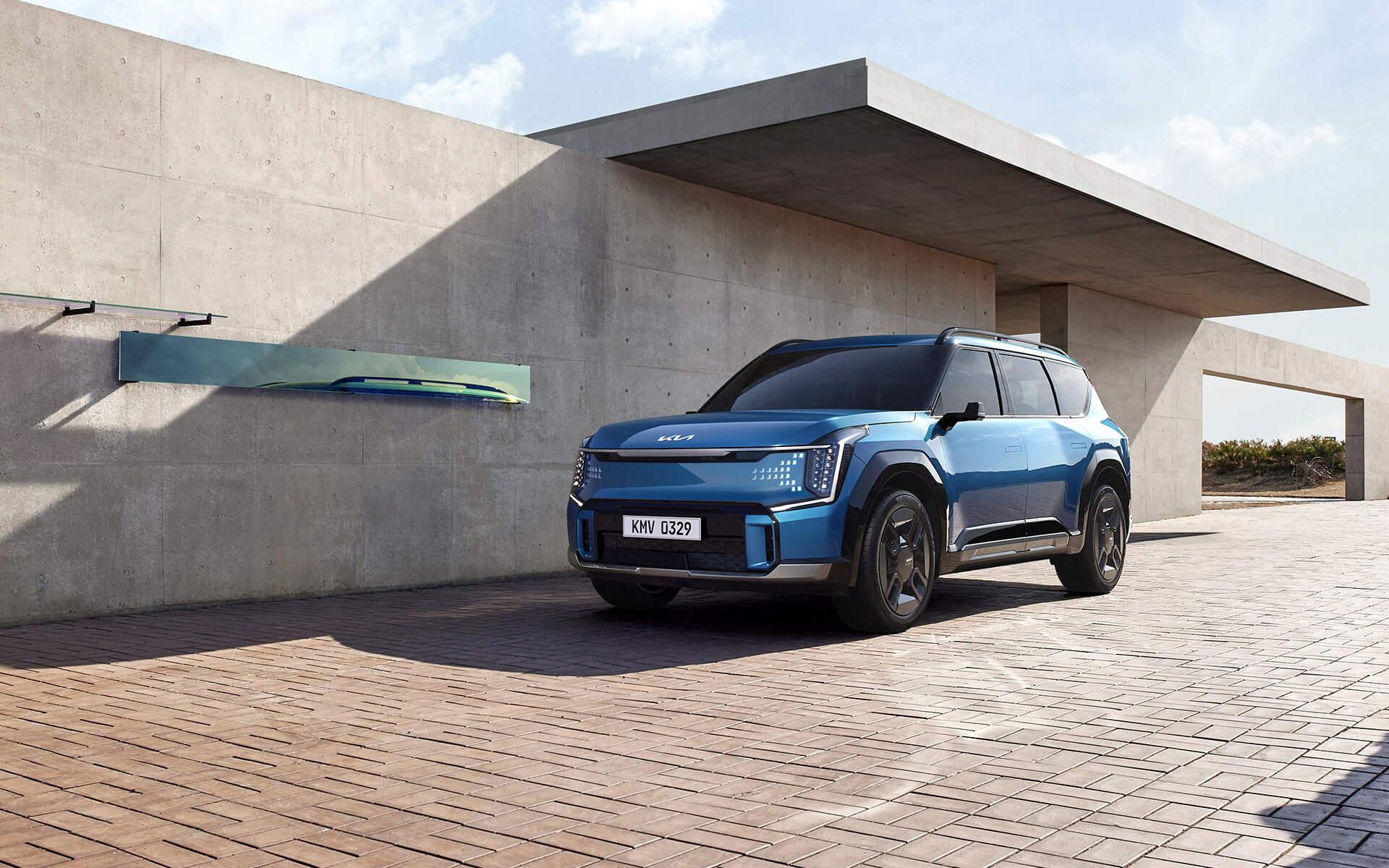
(圖/KIA) 起亞汽車(Kia)近日宣布,在美國召回 22,883 輛 EV9 電動 SUV,原因是部分車型的第二排或第三排座椅可能缺少安裝螺栓。這起問題起因於韓國光明工廠的裝配失誤,儘管目前未報告相關事故或傷亡,但起亞基於安全考量,決定主動召回所有可能受影響的車輛。 問題詳情:來自工人的裝配失誤受影響的車型為 2024 年和 2025 年的 EV9 SUV,這些車輛於 2023 年 9 月 25 日至 2024 年 10 月 15 日期間在韓國光明組裝廠生產。問題的核心在於部分車輛的第二排和第三排座椅安裝螺栓可能因工人疏忽未被安裝。如果發生碰撞,未正確固定的座椅可能增加乘客受傷風險。 起亞在 11 月隨機檢查了 990...