What Makes Changheng Flooring Saw Blade Selection Matter

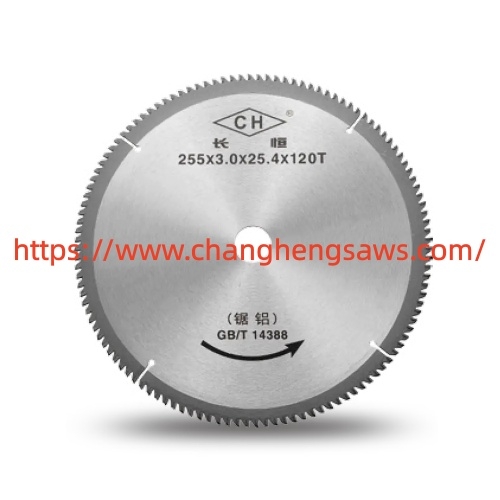
Flooring Saw Blade performance can change significantly when a cutting tool is used on dense, abrasive flooring materials every day. For flooring manufacturers, installation contractors, and woodworking workshops, premature wear can mean frequent tool changes, interruptions to production, and additional maintenance expenses. The cause is not always a manufacturing defect. Material composition, tooth geometry, machine settings, and cleaning habits can all influence how quickly a cutting edge loses its effectiveness. Identifying these factors helps buyers select suitable products and maintain more predictable processing schedules.
One common reason for rapid wear is the structure of the flooring itself. Laminate products often contain a hard protective surface layer over a compressed fiberboard core. Some engineered panels and composite flooring products also contain mineral fillers or other abrasive ingredients. These materials can gradually wear down cutting edges during repeated operations. A tool designed for ordinary timber may therefore have a different service life when used on decorative panels with hard surface coatings. Before selecting a replacement, manufacturers should identify the actual material being processed rather than relying only on its commercial name.
Tooth material is another important consideration. Carbide tipped teeth are widely used in woodworking applications because their hardness and wear characteristics can suit repeated cutting tasks. However, carbide grades and tooth construction vary between products. A suitable specification depends on the workpiece, cutting speed, production volume, and required edge finish. Choosing a tool without considering these conditions may result in frequent sharpening or replacement. Changheng provides a starting point for buyers evaluating industrial cutting solutions according to their application requirements and equipment configuration.
Tooth geometry also affects how cutting forces are distributed. Different tooth profiles are developed for different materials and cutting operations. Some configurations are intended to produce clean edges on wood based panels, while others are designed to handle abrasive composite materials. If the tooth shape is poorly matched to the workpiece, cutting resistance may increase and the edges may become dull sooner than expected. Tooth count matters as well. A finer tooth arrangement can help with surface finish, but the appropriate configuration depends on feed speed, machine power, and the space needed to clear chips from the cutting area.
Operating conditions can shorten service life even when the selected product is appropriate. Excessive feed pressure forces the teeth through the material instead of allowing them to cut at a controlled rate. On the other hand, unsuitable feed settings can create unnecessary friction and heat. Both situations may affect cutting quality and wear patterns. Operators should follow the machine and tool manufacturer's recommendations for rotational speed, feed rate, and permitted materials. Stable workpiece support and correct alignment also help reduce vibration, which can contribute to uneven wear and inconsistent edges.
Accumulated dust, resin, and adhesive residue deserve attention during routine maintenance. Deposits on the tooth surfaces can increase friction and make cutting less efficient. As resistance rises, operators may notice burning marks, rough edges, or a greater load on the machine. Regular inspection and cleaning can help identify buildup before it becomes a recurring problem. Maintenance should always follow the manufacturer's instructions, and damaged teeth or visible cracks should be addressed before the equipment returns to service. Cleaning alone cannot restore a genuinely dull cutting edge, so professional sharpening or replacement may still be necessary.
How can a workshop determine whether its current product is wearing out too quickly? A useful approach is to record the material type, approximate cutting volume, operating settings, and maintenance intervals. Operators can compare these records across production runs and look for changes in cutting resistance, edge quality, or replacement frequency. If wear increases after switching to a new flooring material, the product specification may need to be reviewed. If the problem develops gradually, machine alignment, residue buildup, and maintenance practices deserve closer inspection. This evidence based approach helps purchasing teams make decisions using actual operating conditions instead of assumptions.
For manufacturers and distributors sourcing industrial cutting tools, clear technical communication can make product selection more efficient. Providing the flooring composition, panel thickness, machine model, cutting speed, and required finish allows a supplier to evaluate relevant design options. Changheng supports buyers who need to assess cutting products against specific production requirements rather than choosing by dimensions alone. If your business is reviewing suitable solutions for flooring processing, visit https://www.changhengsaws.com/product/ to examine the available product information and identify specifications that align with your equipment, materials, and maintenance plans.

 英文
 簡體中文