How to Choose an Engagement Ring for Someone Who Rarely Wears Jewelry

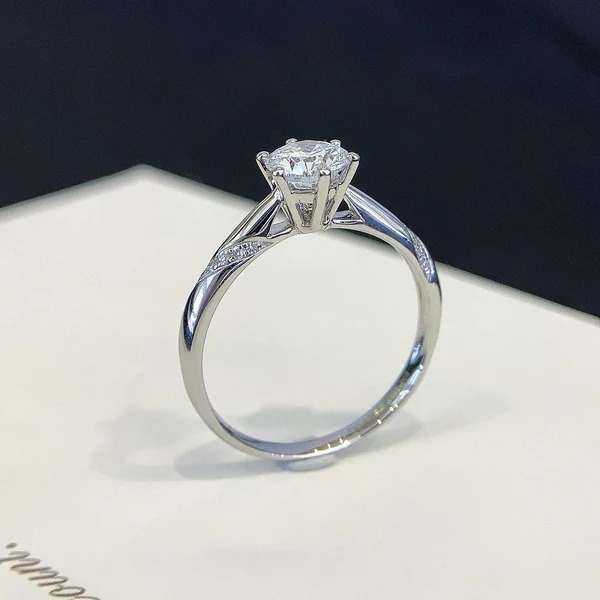
Choosing an engagement ring for someone who rarely wears jewelry can feel difficult. You may want to find something special, but you might also worry that a large stone, a raised setting, or a detailed design will feel uncomfortable to them. The goal is not to choose the biggest ring or the most eye-catching style. It is to find a ring that feels right for the person who will wear it.
Before making a decision, think about their daily routine, personal preferences, and comfort. A little attention to these details can help you choose a ring they will enjoy wearing rather than one that stays in a jewelry box.
Think About Their Daily Routine
Someone who rarely wears jewelry may have a practical reason for avoiding it. They might work with their hands, spend a lot of time typing, exercise regularly, or simply dislike the feeling of accessories on their skin.
Consider what a normal day looks like for your partner. If they work at a computer, a ring with a smooth band and a low setting may feel comfortable. If they cook, garden, or handle equipment regularly, a design that does not catch easily on clothing or other objects could be a better choice.
It is also worth noticing whether they remove watches, bracelets, or necklaces throughout the day. This can help you understand whether they prefer lightweight accessories or dislike anything that gets in the way.
Choose a Design That Feels Familiar
When someone does not wear much jewelry, a simple ring can be a sensible starting point. A clean band, a modest center stone, and a setting that does not rise too far above the finger can make the ring easier to wear.
Consider a Solitaire Setting
A solitaire ring features one main stone. Its straightforward design can suit someone who prefers fewer details and does not usually wear accessories. You can choose a smaller round, oval, or emerald-cut stone depending on what you think your partner would like.
Look at Low-Profile Settings
The setting affects how a ring feels as much as how it looks. A low-profile design keeps the center stone closer to the band, which may reduce the chance of catching on sleeves, pockets, or hair.
Pay Attention to the Band
A very wide or thick band may feel unfamiliar to someone who is not used to wearing rings. A narrower band can be a comfortable option, although the right width depends on their finger shape and personal taste. Smooth edges are also worth considering.
Find Out Which Metal They Prefer
The metal can influence the ring's appearance, weight, maintenance, and overall feel. If your partner already owns a watch or occasionally wears earrings, check which metal they tend to choose.
Yellow gold has a warm color, while white gold has a lighter, silvery appearance. Rose gold offers a pinkish tone. Platinum is another option, but its weight and price may differ from those of gold.
If they rarely wear jewelry, avoid assuming they will prefer a metal simply because it is popular. Look at the accessories they already own, or ask a trusted friend or family member who understands their preferences.
Comfort also depends on the metal's composition. If your partner has experienced skin irritation from jewelry, check the metal alloy and consider asking a qualified jeweler about suitable options.
Set a Budget Before Comparing Rings
A thoughtful engagement ring does not have to cost a large amount. Setting a budget early helps you focus on designs that suit your partner instead of feeling pressured to spend more than you can comfortably afford.
If your budget is limited, compare the center stone, metal, setting, and overall craftsmanship rather than judging a ring by its size alone. A smaller stone in a well-made setting may be a better choice for someone who values comfort and simplicity.
When comparing prices, check what is included in the purchase, such as the ring's metal specifications, stone details, certification where applicable, resizing options, and return policy.
If you are working with a budget of $1,000, you can still compare different styles and materials. See More Options of engagement rings under $1000 to explore designs within your planned spending range.
The most important thing is to choose a ring that fits your finances and your partner's preferences. You should not have to take on financial stress to make the proposal meaningful.
Get the Ring Size as Close as Possible
A ring that feels too tight or moves around too much may discourage someone from wearing it. Getting the size right is especially important when your partner is not accustomed to wearing rings.
If possible, borrow a ring they already wear on the same finger and ask a jeweler to measure it. Remember that ring sizes can differ between fingers and between ring styles.
If you cannot check the size without spoiling the surprise, ask someone close to your partner for help. You can also choose a seller that clearly explains its resizing policy before you order.
Finger size can change slightly with temperature and throughout the day, so a professional fitting is helpful whenever possible. Avoid guessing based only on their height, weight, or hand shape.
Think About Long-Term Care
Someone who rarely wears jewelry may not want a ring that requires frequent cleaning or special attention. The design you choose should fit their willingness to care for it.
A simpler setting may be easier to clean than one with many small stones or detailed spaces. However, every ring needs occasional inspection and proper care to keep its setting secure.
Ask the jeweler how often the ring should be checked and what cleaning methods are safe for the metal and stone. If your partner has an active lifestyle, discuss whether the design is suitable for regular wear and when the ring should be removed.
Antiquecut offers ring designs worth exploring when you want to compare styles and find an option that matches your partner's preferences and your budget.
Should You Ask Your Partner Before Buying?
If your partner rarely wears jewelry, asking a few questions can be more helpful than relying entirely on guesswork. You do not need to reveal your proposal plans to learn what they like.
You could ask whether they prefer gold or silver-colored jewelry, whether they like smaller stones, or whether they would choose a simple band over a detailed design. You might also browse jewelry together casually and notice which pieces catch their attention.
If keeping the proposal a surprise matters to you, a close friend or family member may be able to offer useful guidance. Another option is to choose a ring with a reasonable exchange or resizing policy, provided you understand the conditions before purchasing.
The purpose is to make the decision personal, not to find a ring that follows every current trend.
Final Thoughts
Choosing an engagement ring for someone who rarely wears jewelry is about understanding what makes them comfortable. Consider their daily activities, preferred metal, ring size, budget, and willingness to care for the design.
A simple setting, a manageable stone size, and a comfortable band may be a good starting point, but your partner's individual taste should guide the final choice. You do not need to select something large or complicated to show how much the relationship means to you.
When a ring suits the person wearing it, it becomes easier to make it part of everyday life. Focus on their comfort and preferences, and you will be making a thoughtful choice for a moment you both want to remember.

 Chinese (Traditional)
 Chinese (Simplify)