Non-Surgical Solutions for Chronic Pain Relief
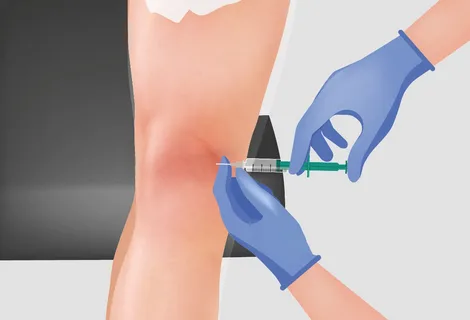
Chronic pain is one of the most challenging health conditions worldwide. It affects quality of life, work capacity, and emotional wellbeing profoundly. Many sufferers feel they have exhausted their treatment options without success. Surgery is often presented as the last and only remaining resort. However, many highly effective non-surgical options are available and accessible. Understanding these options empowers chronic pain sufferers to make better decisions.
Understanding Why Chronic Pain Persists
Chronic pain is fundamentally different from acute pain in important ways. Acute pain is a protective signal warning of immediate tissue damage. Chronic pain often persists well beyond the initial tissue healing period. The nervous system undergoes neuroplastic changes that sustain pain signaling. Central sensitization develops, amplifying pain signals beyond their original intensity. This process explains why chronic pain can feel so disproportionate to observable injury.
Degenerative tissue changes also contribute to persistent chronic pain. Tendons and cartilage deteriorate with age, overuse, and previous injury. Degenerated tissue lacks the normal capacity to repair itself independently. Standard treatments that rest the tissue fail to reverse this degeneration. Non-surgical technologies that stimulate biological repair address the root cause. These treatments offer genuine and lasting solutions rather than temporary symptom suppression.
The Limitations of Surgical Intervention for Chronic Pain
Surgery for chronic musculoskeletal pain carries inherent risks and uncertainties. Post-surgical recovery periods can be lengthy and very demanding. Complications including infection, nerve damage, and incomplete resolution are possible. Research shows surgery does not consistently outperform non-surgical treatment for many conditions. Chronic low back pain, shoulder tendinopathy, and knee osteoarthritis are examples. Non-surgical approaches often produce equivalent or superior outcomes with far less risk.
Many patients who undergo surgery for chronic pain experience ongoing symptoms. The underlying biological and neurological drivers of pain are not always resolved surgically. Non-surgical approaches address both the tissue degeneration and the neurological sensitization. They also preserve the option for surgery should it truly become necessary later. Exhausting non-surgical options first is both clinically prudent and strongly patient-centered. Most chronic pain conditions have excellent non-surgical treatment options available.
Acoustic Wave Technology for Non-Surgical Pain Relief
Acoustic wave technology is a powerful non-surgical option for many chronic conditions. It delivers focused sound wave energy to degenerative and painful structures. This energy stimulates fibroblasts to produce new collagen in the treated area. Neovascularization improves blood flow and nutrient delivery to the tissue. Calcific deposits in tendons are broken down and naturally reabsorbed by the body. The result is genuine biological healing rather than simple and temporary pain suppression.
shockwave therapy has an extensive and compelling evidence base supporting its clinical use. Multiple systematic reviews confirm its effectiveness for various chronic musculoskeletal conditions. Calcific shoulder tendinopathy, Achilles tendinopathy, and plantar fasciitis are thoroughly studied. Success rates consistently exceed those of conventional physiotherapy alone for these conditions. The treatment is non-invasive, requiring no anesthesia, incisions, or recovery time. Patients continue daily activities throughout the entire treatment course.
Pain Relief Mechanisms Beyond Tissue Healing
Acoustic wave treatment reduces chronic pain through multiple overlapping mechanisms. Substance P, a central pain transmission neuropeptide, is depleted in the treated area. C-fiber nerve endings become desensitized with repeated treatment exposures. These neurological effects reduce the pain signal intensity and frequency significantly. The Gate Control Theory of pain partly explains the immediate analgesic effect. Strong sensory input from the waves interrupts pain signal transmission centrally.
For patients with central sensitization, these neurological effects are particularly important. Reducing the peripheral pain input helps normalize the sensitized nervous system over time. Patients with longstanding chronic pain often notice improvement in overall pain sensitivity. This broader effect beyond the localized treatment area is clinically very meaningful. Non-surgical pain relief that addresses both tissue and nervous system is genuinely superior. It offers the most comprehensive solution for complex chronic pain presentations.
Exercise Rehabilitation as a Non-Surgical Solution
Therapeutic exercise is the most evidence-supported non-surgical treatment for chronic pain. Research consistently demonstrates superior outcomes for active rehabilitation over passive rest. Progressive loading of degenerated tendons stimulates collagen remodeling and structural improvement. Eccentric exercise protocols are particularly effective for tendinopathy management. Strength training reduces joint loading and protects arthritic cartilage effectively. A physiotherapist designs a progressive program appropriate to each patient's condition.
Neuromuscular training addresses the motor control deficits that often perpetuate chronic pain. Patients with chronic back pain show altered muscle activation patterns in research. Correcting these patterns through targeted exercise reduces pain and improves function. Balance and proprioceptive training restore joint stability after chronic injury. Cardiovascular exercise releases endorphins that naturally reduce chronic pain perception. A comprehensive exercise program addresses pain from multiple effective angles simultaneously.
Manual Therapy for Chronic Pain Management
Manual therapy provides meaningful non-surgical relief for many chronic pain conditions. Joint mobilization techniques restore mobility in chronically stiff and restricted joints. Soft tissue techniques reduce muscle tension and fascial restrictions that perpetuate pain. Neural mobilization addresses nerve sensitivity and restricted neural mobility effectively. Myofascial release targets broad areas of connective tissue restriction throughout the body. These techniques are combined and individualized based on clinical assessment findings.
Dry needling is a particularly effective manual technique for chronic myofascial pain. It deactivates trigger points that have been maintaining pain for months or years. The technique produces immediate changes in muscle activity and local blood flow. Pain relief following dry needling is often significant and very rapidly achieved. It is used alongside exercise rehabilitation and acoustic wave treatment effectively. Combined approaches address chronic pain from multiple complementary clinical angles.
Pain Neuroscience Education as a Non-Surgical Tool
Pain education is a powerful non-surgical intervention for chronic pain conditions. Understanding how the nervous system creates pain changes a patient's relationship with it. Fear of pain and movement significantly amplifies perceived pain intensity. Patients who understand pain experience less fear and engage more confidently with activity. This engagement in active rehabilitation is the most powerful driver of recovery. Education empowers patients to participate as genuine partners in their own healing.
Cognitive-behavioral approaches complement pain education very effectively in clinical practice. Patients identify and modify unhelpful thoughts about pain and recovery. Graded exposure to feared movements reduces avoidance and rebuilds physical confidence. Mindfulness-based techniques reduce pain catastrophizing and improve emotional regulation. These psychological tools have measurable effects on chronic pain outcomes in research. Addressing the mind is as important as treating the body in chronic pain care.
Combining Non-Surgical Approaches for Maximum Relief
No single non-surgical approach achieves optimal outcomes in isolation. The most effective treatment programs combine multiple complementary modalities. Acoustic wave treatment initiates biological healing and reduces peripheral pain input. Exercise rehabilitation loads and remodels the newly formed tissue effectively. Manual therapy addresses secondary restrictions and maintains joint mobility throughout. Education and psychological support ensure consistent and motivated patient engagement.
The sequencing and integration of these approaches matters clinically. Acoustic wave treatment is typically performed early in the session. Manual therapy follows to enhance tissue mobility after the biological stimulus. Exercise is performed last to reinforce and consolidate all gains made. This coordinated sequence maximizes the benefit of every individual treatment component. Physiotherapists with expertise in chronic pain design these integrated programs precisely. The combined result is consistently superior to any single treatment approach alone.
Conclusion
Chronic pain does not always require surgical intervention for effective relief. Powerful non-surgical solutions exist and are supported by strong clinical evidence. Acoustic wave treatment, therapeutic exercise, and manual therapy each address different pain drivers. Combining these approaches produces comprehensive and lasting chronic pain relief. Pain education and psychological support further strengthen overall treatment outcomes. Patients who fully explore non-surgical options often achieve the relief they had abandoned hope of finding.

