What to Expect From Your First Rehabilitation Appointment
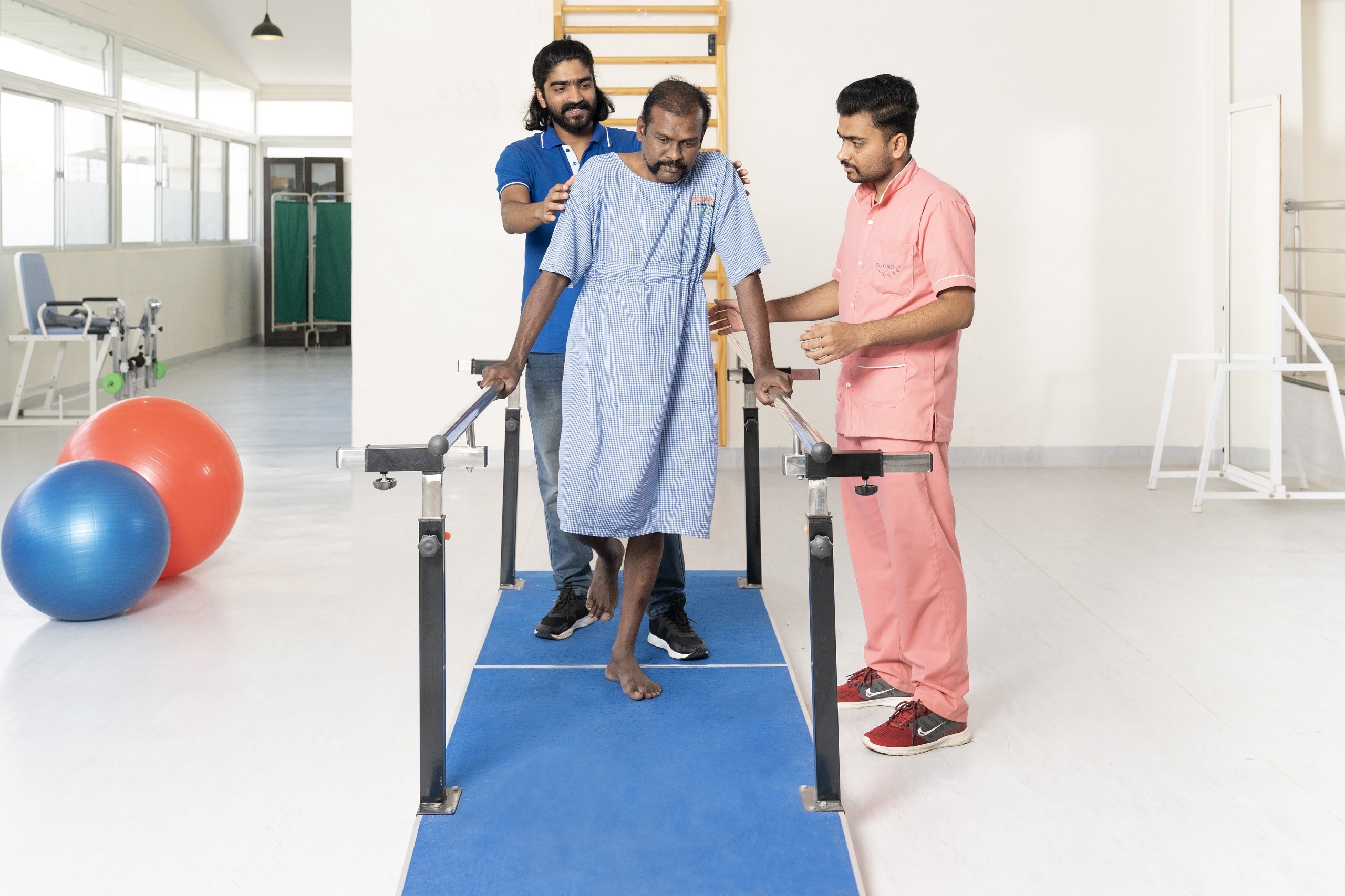
Preparing for Your First Visit
Starting rehabilitation can feel unfamiliar at first. Understanding the process reduces first-visit anxiety significantly. Most appointments begin with a detailed conversation. This discussion covers your injury history and current symptoms. Being thorough with this information improves assessment accuracy. Bringing relevant medical documents can also be helpful. This preparation sets a strong foundation for treatment.
What Information to Bring to Your Appointment
Any relevant imaging reports should be brought along. A list of current medications is also useful. Previous treatment history helps inform the current plan. Details about how the injury occurred matter too. This context helps identify appropriate treatment strategies. Being organized saves time during your first visit. Thorough preparation supports a more efficient assessment process.
The Initial Assessment Process
A comprehensive assessment typically follows the initial conversation. This includes evaluating strength, flexibility, and movement patterns. Specific tests help identify the underlying problem. This process may involve various functional movements. Understanding the purpose behind each test helps ease concerns. Practitioners explain their reasoning throughout the assessment. This transparency builds trust and understanding early on.
Understanding Functional Movement Testing
Functional tests reveal how your body moves under load. These tests identify compensations and weaknesses. Results guide the development of your treatment plan. Some tests may briefly reproduce mild discomfort. This is a normal, expected part of assessment. Communicating your experience during testing is important. This feedback helps refine the assessment process accurately.
Developing Your Personalized Treatment Plan
Following assessment, a tailored plan is developed. This plan addresses your specific goals and limitations. Treatment frequency depends on the severity of your condition. Some conditions require more frequent initial sessions. Others benefit from a more gradual approach. Understanding this reasoning helps set realistic expectations. Your input shapes this collaborative planning process significantly.
Setting Realistic Recovery Goals Together
Goal setting is a collaborative process between patient and provider. Realistic timelines depend on injury severity and history. Short-term and long-term goals are often established together. This structure provides clear milestones throughout recovery. Understanding these goals improves motivation and adherence. Regular reassessment tracks progress toward these goals. Adjustments are made as recovery progresses naturally.
What Happens During Treatment Sessions
Sessions typically combine hands-on techniques with guided exercises. Manual therapy addresses specific areas of restriction. Exercises target strength and movement pattern correction. Education about your condition is often included too. Understanding your body empowers better self-management. This combination approach addresses multiple aspects of recovery. Consistency across these elements supports comprehensive healing.
The Role of Education in Recovery
Understanding your condition improves treatment engagement significantly. Knowing why certain exercises are prescribed helps compliance. Education also addresses common misconceptions about injury. This knowledge reduces unnecessary fear around movement. Practitioners take time to explain relevant anatomy simply. This understanding empowers more active participation in recovery. Informed patients often achieve better long-term outcomes.
Managing Expectations During Early Recovery
Progress isn't always linear during rehabilitation. Some days may feel better than others. This variability is a normal part of healing. Understanding this pattern prevents unnecessary discouragement. Trusting the overall process matters more than daily fluctuations. Consistent effort over time yields meaningful improvement. Patience during this process supports better long-term adherence.
Recognizing Normal Versus Concerning Symptoms
Mild soreness after sessions is typically normal. Sharp or worsening pain should be reported promptly. Understanding this distinction helps guide appropriate responses. Practitioners provide clear guidance on what to expect. Knowing when to seek additional guidance matters. This awareness supports safe, effective progression through recovery. Open communication ensures any concerns are addressed quickly.
Building a Successful Recovery Partnership
Recovery works best as a collaborative partnership. Working with a qualified physiotherapy clinic langley bc through Peak Valley Active Health supports this collaborative approach. Open communication throughout treatment improves overall outcomes. Trusting the process while staying engaged matters significantly. This partnership approach maximizes the effectiveness of care. Commitment from both sides drives successful recovery.
Final Thoughts on Your First Appointment
Your first rehabilitation appointment sets an important foundation. Understanding the process reduces uncertainty and anxiety. Open communication throughout supports better treatment outcomes. Trusting your provider's expertise matters significantly. Patience and consistency drive meaningful, lasting recovery. Taking this first step is often the hardest part. Prioritizing your recovery supports a stronger, more active future.
Categories
Read More
(圖/ MGBOX新聞網 AI圖片) 南亞科看AI推論帶動DRAM需求爆發 AI時代重新定義全球記憶體市場 南亞科認為,AI推論將成為下一階段半導體產業的重要成長引擎,未來記憶體需求不再只集中於AI訓練,而是隨著AI全面進入終端裝置,DRAM容量、頻寬及供應規模都將同步提升,全球記憶體市場也將迎來新一輪結構性變化。 AI產業重心轉向推論 記憶體角色快速升級 生成式AI快速發展初期,市場焦點主要集中於大型資料中心、GPU運算與高頻寬記憶體(HBM)需求。然而,隨著AI應用逐步從雲端延伸至個人電腦、智慧型手機及各類邊緣裝置,市場開始關注AI推論(Inference)所帶來的新需求。...

One of the most important reasons students enroll in Full stack classes in Pune is the opportunity to secure better jobs and placement opportunities in the rapidly growing IT industry. As businesses continue to invest in websites, mobile applications, cloud-based solutions, and digital transformation initiatives, the demand for skilled Full Stack Developers has increased significantly....