What Conditions Require Expert Spine Evaluation?
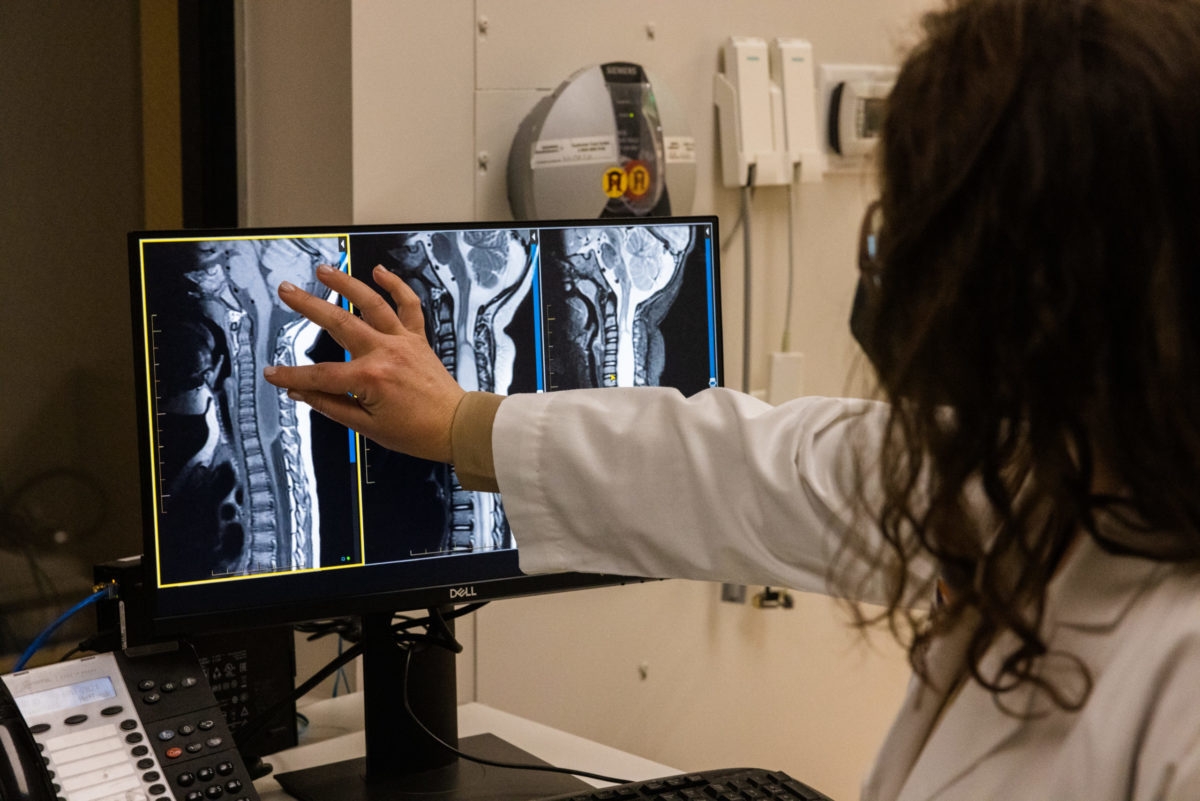
Spine health affects overall quality of life significantly. Many conditions develop gradually and quietly. Recognizing warning signs supports timely evaluation. This article explores conditions requiring specialist attention.
Understanding Spine Function
The spine supports posture and movement daily. It protects the spinal cord and nerves. Damage here can affect the entire body. Understanding basic anatomy clarifies common symptoms. Many spine issues develop slowly over time.
Discs cushion vertebrae during everyday movement. Wear on these discs often causes symptoms.
Persistent Back Pain
Ongoing back pain deserves professional attention. Pain lasting several weeks should prompt evaluation. Discomfort that worsens with movement is significant. Some patients experience pain radiating downward. This pattern often indicates nerve involvement.
Pain unaffected by rest may signal deeper issues. Tracking symptoms helps doctors understand severity accurately.
Numbness or Tingling Sensations
Numbness in the limbs can indicate nerve compression. Tingling sensations often accompany this symptom. These signs may worsen without proper treatment. Nerve-related symptoms require prompt evaluation. Early diagnosis supports better long-term outcomes.
Some patients notice these symptoms during specific movements. This pattern provides useful diagnostic information.
Weakness Affecting Mobility
Muscle weakness can signal nerve involvement. Difficulty walking may indicate spine-related issues. Some patients notice weakness in specific limbs. This symptom often develops gradually over time. Weakness warrants thorough medical evaluation quickly.
Balance issues sometimes accompany this type of weakness. Doctors assess strength during physical examinations carefully.
Structural Abnormalities
Scoliosis and other curvature issues need evaluation. These conditions may worsen without proper monitoring. Some cases require ongoing observation only. Others may need more active intervention. Specialist evaluation determines appropriate next steps.
Regular imaging often tracks curvature progression over time. This helps guide long-term treatment decisions.
Degenerative Disc Conditions
Disc degeneration develops naturally with age. Symptoms may include stiffness and discomfort. Some patients experience significant pain flare-ups. Imaging helps confirm the extent of degeneration. Treatment depends heavily on symptom severity.
Disc height loss is common with aging. This can contribute to nerve compression symptoms.
When Imaging Becomes Necessary
Doctors often recommend imaging for persistent symptoms. MRI scans reveal soft tissue and nerve detail. X-rays help assess bone alignment clearly. These results guide appropriate treatment decisions. Imaging supports accurate diagnosis and planning.
CT scans sometimes provide additional useful information. This helps doctors evaluate complex spine conditions thoroughly.
Conditions Requiring Surgical Consideration
Some spine conditions require surgical evaluation. Severe nerve compression may need decompression surgery. Structural instability sometimes requires stabilization procedures. Consulting a spine surgery surgeon helps clarify appropriate treatment options. Not every condition requires surgical intervention.
Doctors carefully weigh risks and benefits first. Conservative treatment is often attempted initially.
Non-Surgical Treatment Approaches
Physical therapy helps many spine conditions improve. Pain management supports comfort during treatment. Posture correction often reduces ongoing strain. Lifestyle adjustments can also ease symptoms. These approaches work well for many patients.
Core strengthening exercises often support spine stability. Consistency with therapy improves long-term results.
Preparing for Specialist Consultation
Tracking symptoms helps doctors understand patterns clearly. Sharing detailed history supports accurate diagnosis. Questions about treatment options are important. Understanding risks helps set realistic expectations. Preparation leads to more productive consultations.
Final Thoughts
Recognizing spine symptoms early supports timely care. Persistent pain and weakness deserve attention. Consulting a specialist clarifies appropriate next steps. Many patients find effective relief through treatment. Proactive care supports long-term spine health.