The Role of Advanced Drilling in Infrastructure Development
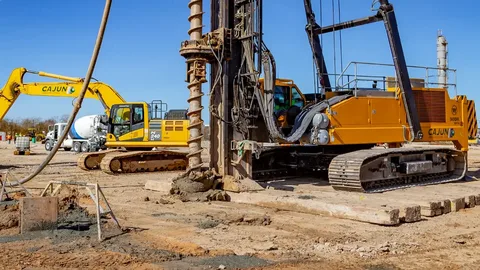
Infrastructure development faces increasingly complex ground conditions globally. Bridges, tunnels, pipelines, and energy facilities require drilling solutions that perform reliably. Advanced drilling technologies enable infrastructure construction in conditions that were previously unworkable. Their adoption has expanded where and how major infrastructure can be built. This article explores the vital role that advanced drilling plays in modern infrastructure development.
Why Infrastructure Development Depends on Advanced Drilling
Infrastructure foundations must perform reliably for decades or centuries under demanding conditions. Standard drilling methods cannot consistently deliver the performance infrastructure requires. Advanced drilling techniques provide the penetration rates, borehole quality, and reliability that infrastructure demands. Without advanced drilling capability, many infrastructure projects would be technically or economically impossible.
The geological conditions encountered in infrastructure corridors are rarely simple. Bridge abutments often require drilling through variable glacial overburden to bedrock. Pipeline river crossings require directional drilling through complex geological transitions. Tunnel boring requires advance investigation drilling through uncertain geological conditions. Advanced drilling techniques address this geological complexity reliably and efficiently.
Infrastructure project economics depend on drilling efficiency. Foundation drilling delays push all subsequent construction activities behind schedule. Geotechnical investigation delays postpone design decisions that entire project schedules depend on. Environmental investigation delays hold up regulatory approvals that allow construction to begin. Advanced drilling that completes these activities faster and more reliably directly improves infrastructure project economics.
Scale and Complexity of Infrastructure Drilling Demands
Infrastructure projects require drilling at scales that dwarf most other applications. Major bridge projects may require hundreds of foundation piles drilled through difficult ground. Highway tunnels require advance investigation drilling programs covering kilometers of alignment. Large-diameter water supply wells for urban systems require specialized high-capacity drilling. The scale and complexity of infrastructure drilling demands drive adoption of the most capable advanced techniques.
Subsurface variability along linear infrastructure alignments creates particular drilling challenges. Geological conditions can change dramatically within short distances along pipeline or road corridors. Investigation drilling programs must characterize this variability comprehensively. Advanced investigation drilling methods that produce high-quality data efficiently support better alignment design. Better design reduces construction complications that variable geology would otherwise cause.
Foundation Drilling for Major Infrastructure Structures
Large-diameter pile drilling for infrastructure foundations requires powerful and precise equipment. Bridge foundations in hard rock require drilling through variable overburden to competent bedrock. Drilled shaft construction installs large-diameter concrete piles in conditions ranging from soft soil to hard rock. Tower foundations for transmission lines and wind energy facilities require drilling in remote and challenging terrain. Each infrastructure type presents specific foundation drilling requirements that advanced techniques address.
Down-the-hole hammer drilling enables efficient rock socket drilling for drilled shaft foundations. Rock sockets anchored in competent bedrock provide the bearing capacity that heavy structures require. Hammer drilling achieves rock socket penetration rates that make large-scale foundation programs economically viable. The hammer bit drilling technique's efficiency in hard rock is essential for infrastructure foundation construction timelines. Projects that would require months with rotary methods are completed in weeks with hammer technology.
Casing advancement systems address the unstable overburden conditions common at infrastructure sites. Bridge abutments often sit on flood plains with deep loose granular overburden overlying bedrock. Casing advancement simultaneously drills through boulders and loose gravel while supporting borehole walls. On reaching bedrock, hammer drilling advances through the rock socket without casing. This combined approach completes difficult infrastructure foundations reliably and efficiently.
Directional Drilling for Infrastructure Crossings
Directional drilling enables infrastructure installation beneath obstacles without surface disturbance. River crossings for pipelines and utilities use horizontal directional drilling extensively. Highway crossings for new utilities avoid disruptive open-cut construction in active road corridors. Railway crossings install utilities without disrupting critical transportation infrastructure. Environmental crossings through sensitive ecological areas minimize surface disturbance impacts.
Horizontal directional drilling guidance systems maintain precise trajectory control throughout installations. Electronic steering tools transmit inclination and azimuth data continuously during drilling. Surface tracking systems monitor drill head position using electromagnetic signals. Real-time position data allows immediate trajectory corrections when deviation occurs. Precision directional control ensures infrastructure crossings arrive at target exit points accurately.
Geotechnical Investigation Drilling for Infrastructure Design
Infrastructure design requires comprehensive geotechnical investigation along entire project alignments. Geotechnical investigation drilling characterizes the geological conditions that determine design parameters. Foundation bearing capacity, settlement potential, and slope stability all depend on investigation data quality. Advanced investigation drilling methods provide the data quality that reliable infrastructure design requires.
Continuous core drilling recovers intact samples that reveal detailed geological conditions. Thin weak layers that would cause differential settlement are identified in continuous core. Rock mass quality assessment from continuous core informs tunnel support design requirements. Core samples from infrastructure investigation become permanent records used throughout design and construction. Advanced core drilling methods provide irreplaceable geological information for infrastructure projects.
In-situ testing during investigation drilling adds engineering data beyond what laboratory analysis provides. Pressuremeter tests measure soil stiffness and strength directly in the ground. Dilatometer tests provide continuous profiles of soil compressibility for settlement analysis. Vane shear tests measure undrained shear strength of soft cohesive soils in place. These in-situ tests from advanced investigation drilling significantly improve design parameter reliability.
Environmental Investigation Drilling for Infrastructure Compliance
Infrastructure projects must demonstrate environmental compliance throughout development and construction. Environmental investigation drilling programs characterize baseline conditions and identify potential impacts. Monitoring well networks installed along infrastructure corridors track construction-related groundwater changes. Post-construction monitoring verifies that infrastructure operations meet environmental standards. Advanced environmental drilling enables the thorough investigation that regulatory compliance requires.
Infrastructure corridors crossing former industrial land require contamination investigation. Pipeline routes and road alignments often cross historic industrial sites with contamination legacies. Environmental investigation drilling characterizes contamination that may affect construction worker safety. Contaminated zone identification enables protective measures to be incorporated in construction planning. Advanced drilling methods adapted for environmental investigation efficiently characterize contamination along infrastructure corridors.
Regulatory environmental approvals for major infrastructure require thorough investigation documentation. Environmental impact assessments for infrastructure projects depend on investigation drilling data. Regulators evaluate both the quality and completeness of submitted investigation data. Advanced drilling methods that produce high-quality data support successful and timely regulatory approvals. Infrastructure projects that invest in thorough investigation experience fewer regulatory delays.
Specialized Drilling Applications in Infrastructure Construction
Dewatering well installation is a specialized drilling application critical for many infrastructure projects. Deep excavations for underground infrastructure require effective groundwater control. Dewatering wells installed around excavations prevent groundwater flooding during construction. Advanced drilling efficiently installs high-capacity dewatering wells in variable geological conditions. Effective dewatering systems protect construction worker safety and maintain project schedules.
Ground anchor and rock bolt drilling stabilizes slopes and underground excavations in infrastructure construction. Cut slopes for highways and railways require anchor systems in hard rock formations. Underground station construction requires systematic rock bolt installation for tunnel stability. Advanced rotary percussion drilling installs anchor holes efficiently in hard rock formations. Reliable anchor hole drilling is essential for the geotechnical stabilization that infrastructure construction requires.
Blast hole drilling in hard rock infrastructure construction requires efficient and precise technique. Road cuttings through hard rock require systematic blast hole patterns for controlled excavation. Tunnel face excavation uses precise blast hole drilling for controlled rock fragmentation. Advanced hammer drilling achieves the penetration rates that large-scale infrastructure blast hole programs require. Drilling efficiency in blast hole programs directly controls the pace of hard rock infrastructure excavation.
Categories
Read More
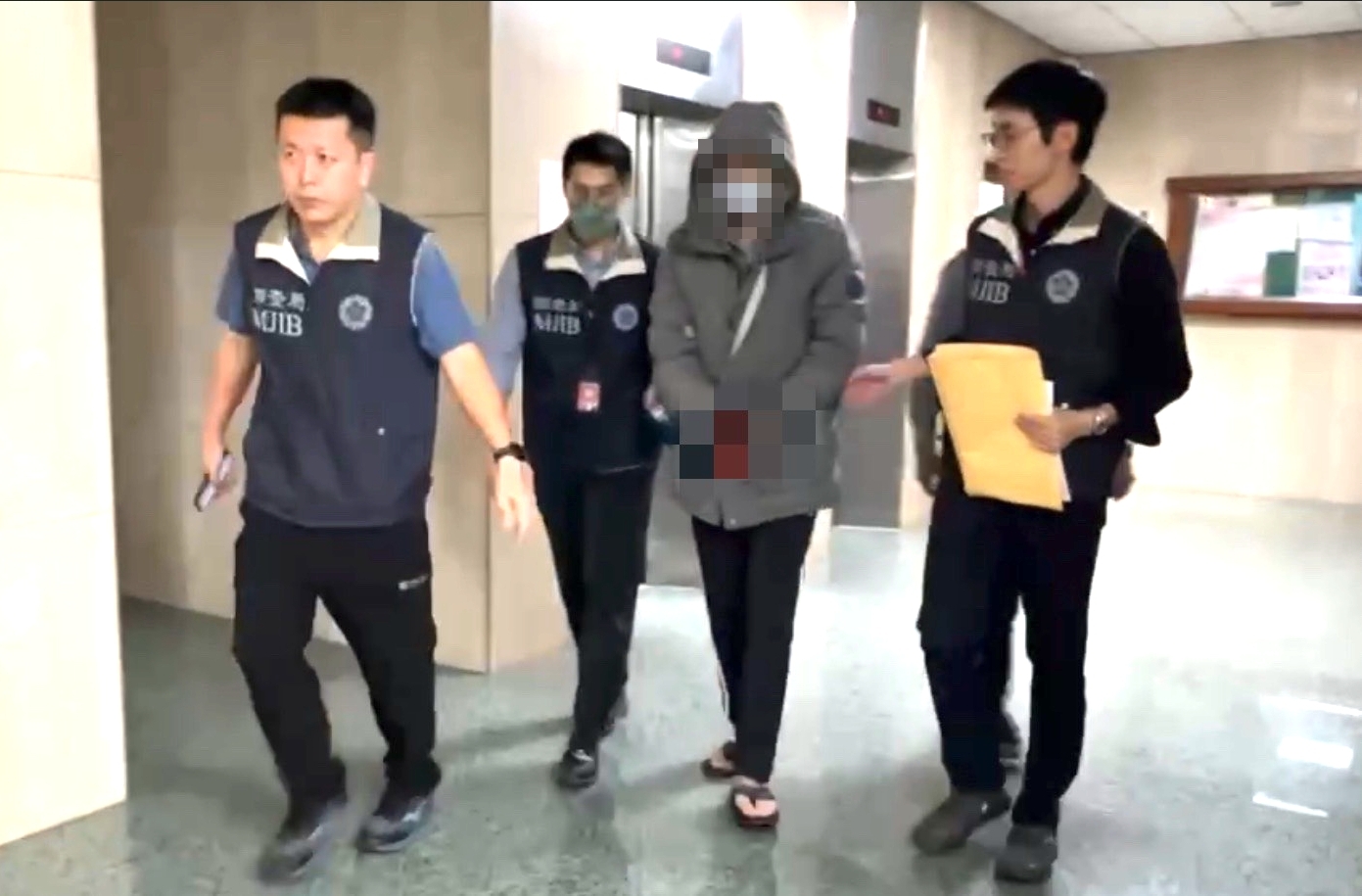
(圖/ 調查局) 調查局持續強化網路安全監控與反恐作為,針對近期社會關注的治安事件,臺北市調查處啟動「1219反恐專案」展開網路偵蒐。調查人員於22日發現,有民眾在網路平台張貼涉及「隨機殺人預告」等言論,內容已引發公眾不安,初步認定涉有違反《刑法》第151條恐嚇公眾罪之嫌。 經由科技鑑識與網路溯源,調查局鎖定相關言論係由林姓男子所發布,隨即報請臺灣士林地方檢察署「防範恐怖攻擊應變小組」主任檢察官劉東昀及檢察官薛人允指揮偵辦,並會同士林分局偵查隊執行搜索與拘提行動,將林男帶案說明。 MGBOX (圖/ 調查局) 調查局表示,林姓男子已於23日到案,相關筆錄製作完成後,已依法解送士林地檢署複訊,後續將由檢方釐清犯案動機、言論內容及是否涉及其他違法行為。...
A bright and balanced complexion is often considered a sign of healthy-looking skin, but factors like sun exposure, pollution, aging, and dead skin buildup can make the skin appear dull. Chemical Peels in Dubai (التقشير الكيميائي في دبي) offer a skin renewal approach that helps improve the appearance of uneven tone, refresh dull areas, and support a naturally brighter-looking...