When Is a Tooth Restoration the Right Choice?
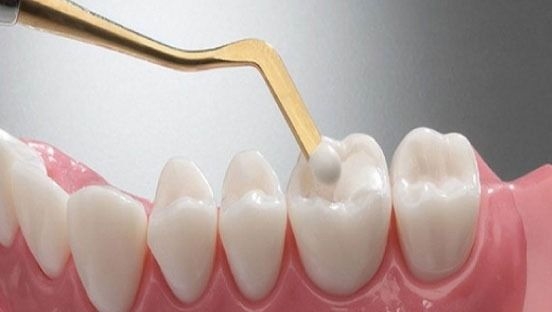
Deciding whether to restore or replace a tooth is one of the most important decisions in dentistry. Not every damaged tooth requires the same type of intervention. Some teeth can be saved with minimal restorations while others require more comprehensive approaches. Understanding when restoration is the right choice empowers better treatment decision-making. Dental professionals use specific clinical criteria to guide these important recommendations. This article explains the key factors that determine when tooth restoration is the appropriate course of action.
The Core Question: Restore or Remove?
The fundamental question in restorative dentistry is whether the tooth is worth saving. Natural teeth are always superior to artificial replacements when saving them is feasible. They maintain the jawbone, support proper bite alignment, and provide the best function. Replacing a tooth with an implant or bridge is more complex and expensive. Dentists therefore work to preserve natural teeth through restoration whenever clinically possible. The decision to restore rather than extract is based on several specific clinical factors.
The amount of remaining healthy tooth structure significantly influences restorability decisions. A tooth that retains sufficient sound structure can support a restoration effectively. A tooth where decay or damage has destroyed most of the crown structure is more challenging. When less than half the natural tooth remains, restoration becomes more technically demanding. Root integrity also matters significantly, as healthy roots support restorations above them. A comprehensive assessment of remaining tooth structure guides all restoration planning decisions.
When Extraction Becomes the More Appropriate Option
Some teeth genuinely cannot be saved regardless of restorative skill or materials. Vertical cracks extending below the gum line into the root are non-restorable. Severe bone loss from advanced periodontal disease may eliminate support for the tooth. Teeth that have fractured at or below the gum line often cannot be restored. Significant root resorption destroys the tooth's structural foundation irreversibly. In these situations, extraction followed by appropriate replacement is the right clinical choice.
When a Filling Is the Right Restorative Choice
Fillings are appropriate when decay has been caught at a relatively early stage. They are indicated when the cavity affects less than half the tooth's total width. Sufficient surrounding tooth structure must remain to support the filling material adequately. Composite resin fillings are the standard choice for most contemporary dental restorations. They bond directly to the natural tooth and provide both function and aesthetics. A filling placed at the right time is among the simplest and most effective dental interventions.
The condition of adjacent tooth walls determines filling appropriateness precisely. Thin, weakened walls surrounding a large cavity cannot adequately support a filling. Placing a filling in a heavily compromised tooth risks cusp fracture under chewing forces. Your dentist assesses wall thickness and structural integrity during treatment planning. When walls are judged too thin, a more protective restoration like a crown is indicated. Understanding these structural criteria clarifies why different patients need different restorations for seemingly similar damage.
When Crowns Are the Correct Restorative Intervention
A dental crown is the right choice when extensive damage compromises tooth structural integrity. Crowns are indicated when fillings cannot adequately protect the remaining tooth structure from fracture. Teeth that have undergone root canal treatment are routinely crowned to prevent post-treatment fracture. Cracked teeth that still have intact roots are excellent candidates for crown restoration. Severely worn teeth from grinding or acid erosion also benefit from full crown coverage. Crowns are also used to anchor dental bridges and complete implant restorations effectively.
The crown covers the entire visible portion of the tooth above the gum line. This complete coverage provides 360-degree structural protection for compromised tooth structure. It distributes chewing forces evenly, preventing fracture of the remaining natural tooth. Modern ceramic and zirconia crowns provide both outstanding strength and excellent aesthetics. A well-fitted crown with a tight margin also protects against secondary decay formation. Choosing a crown at the right clinical moment saves a tooth that simpler restorations could not.
When Root Canal Treatment Is Necessary Before Restoration
Sometimes restoration alone is insufficient without first addressing internal tooth infection. Root canal treatment becomes necessary when the pulp inside a tooth becomes infected. Symptoms indicating pulp involvement include spontaneous pain and lingering sensitivity to heat. A dental abscess with swelling or a draining fistula indicates pulp death and infection. These conditions require root canal treatment to remove infected tissue before restoration proceeds. Attempting to restore an infected tooth without root canal treatment leads to failure.
Root canal treatment followed by a protective crown is a highly successful and common approach. The combination saves countless teeth that would otherwise require extraction each year. Patients sometimes resist root canal recommendations due to unfounded fears about the procedure. Modern root canal treatment is performed under effective anesthesia and causes minimal discomfort. The discomfort associated with the procedure is comparable to receiving a dental filling. The functional life extension a successful root canal provides justifies the treatment in most cases.
When Tooth Replacement Is More Appropriate Than Restoration
Some situations are better served by tooth replacement than by attempting restoration. Teeth with roots fractured below the bone level cannot be saved through any restorative means. Teeth with extremely poor periodontal prognosis due to advanced bone loss should be extracted. Keeping a non-restorable tooth increases infection risk for adjacent healthy teeth and bone. Strategic extraction followed by timely replacement prevents complications from a failing tooth. Dentists weigh the long-term prognosis carefully before recommending either restoration or replacement.
Dental implants are the gold standard replacement option following extraction of a non-restorable tooth. A titanium implant placed in the extraction site preserves the jawbone through functional stimulation. The implant integrates with surrounding bone over several months through osseointegration. A crown placed on the integrated implant restores full function and natural appearance. Patients consistently describe successful implant restorations as indistinguishable from natural teeth. In the right clinical situation, replacement provides outcomes superior to maintaining a compromised natural tooth.
Bridges as an Alternative to Implants for Tooth Replacement
Dental bridges offer an alternative tooth replacement option that does not require surgery. The bridge uses the adjacent teeth as abutments to support the artificial tooth spanning the gap. The abutment teeth require crown preparation to anchor the bridge properly. This preparation removes enamel that cannot be replaced if the bridge is later removed. Bridges provide good functional and aesthetic results and are completed in fewer appointments. For patients who are not implant candidates, bridges remain a reliable and effective restoration solution.
The Importance of Timing in Restorative Decisions
The timing of restoration decisions significantly affects both outcomes and costs. Early intervention when a tooth first shows signs of disease produces better results. A small cavity restored promptly remains a manageable, inexpensive clinical problem. The same cavity monitored without treatment becomes a root canal and crown situation. A crack caught before it propagates is managed with a crown protecting the remaining structure. A crack that splits the root requires extraction and replacement regardless of patient preference.
Delaying restorative treatment is almost never clinically advantageous for the patient. The progression of dental disease is predictable and consistently worsens without treatment. Acting at the earliest appropriate moment preserves the most tooth structure and minimizes cost. Understanding this time-sensitive nature of dental disease motivates prompt acceptance of recommended treatment. The dentist who recommends timely restoration is protecting your long-term dental investment and health. Trusting professional recommendations and acting promptly is consistently the wisest restorative approach.
Conclusion
Determining the right restorative choice requires careful clinical assessment and professional judgment. Fillings serve teeth with early-stage decay and sufficient remaining structural integrity. Crowns protect severely damaged, cracked, or post-root-canal teeth from further harm. Root canal treatment addresses infected pulp before restoration can proceed safely. Tooth replacement through implants or bridges serves teeth that cannot be saved. Timing of intervention significantly influences both the complexity and cost of restorative care. Early acceptance of professional recommendations consistently produces the best long-term restorative outcomes.
閱讀更多
(圖/ 臺南市政府) 入秋氣溫轉涼,泡湯成為秋冬最受歡迎的養生活動。臺南市以全臺唯一兼具「泥漿泉」與「碳酸泉」的雙泉特色聞名,白河關子嶺與楠西龜丹兩大溫泉區,各自展現不同魅力,吸引全國遊客前來體驗療癒身心的「暖湯之旅」。 臺南市長黃偉哲表示,關子嶺溫泉泉質獨特、礦物豐富,被譽為「天下第一靈泉」,是世界罕見的泥漿溫泉。浸泡後能促進血液循環、放鬆筋骨,肌膚觸感更為柔滑細緻。遊客可在山城步道間欣賞雲霧繚繞的自然風光,並結合周邊餐飲、旅宿與景點,感受兼具人文與自然的多層次溫泉體驗。 (圖/ 臺南市政府) 位於楠西區的龜丹溫泉則以自然野溪風格見長,泉質為弱鹼性碳酸泉,水質清澈、無味,具有軟化角質與保濕功效,被旅人稱為「美人湯」。靜謐的山林氛圍使其成為親子旅遊與情侶放鬆的熱門選擇。...

鮑爾暗示可能降息,美股走揚、道瓊創新高 日期: 2025/08/25 美國股市 鮑爾暗示可能降息,美股走揚、道瓊創新高。聯準會主席鮑爾於全球央行年會演說中表示,就業面臨的下行風險正在上升,「目前政策立場仍屬緊縮,但隨著展望與風險平衡的變化,可能需要調整政策立場」,市場解讀為九月降息開啟大門,激勵美股四大指數走揚,道瓊工業指數改寫歷史新高,羅素2000指數勁揚3.86%、創4月初以來最大單日漲幅。史坦普500指數十一大類股僅有民生消費類股小跌0.35%,其餘類股全面收紅,消費耐久財、能源及通訊服務類股漲勢居前。獲Evercore ISI機構調高投資評等的開拓重工上漲4.25%,漲幅居道瓊成分股最大;美國總統川普表示美國政府將持有英特爾10%股權,英特爾勁揚5.53%;彭博報導蘋果計劃利用Google...