Recovering After Sleeve Gastrectomy in Islamabad: A Week-by-Week Recovery Timeline
Recovering from bariatric surgery is an important part of achieving long-term weight loss success. While the procedure itself is performed within a few hours, the healing process continues for weeks and even months. Knowing what to expect after surgery can help patients prepare physically and mentally while reducing unnecessary anxiety. Every recovery journey is unique, but understanding the general timeline allows patients to make informed decisions and follow their surgeon's recommendations with confidence.
If you are considering Sleeve Gastrectomy in Islamabad, understanding the recovery process is just as important as learning about the surgery itself. From the first day after the procedure to returning to your normal routine, each stage plays a vital role in ensuring proper healing, safe weight loss, and lasting health improvements.
What Is Sleeve Gastrectomy?
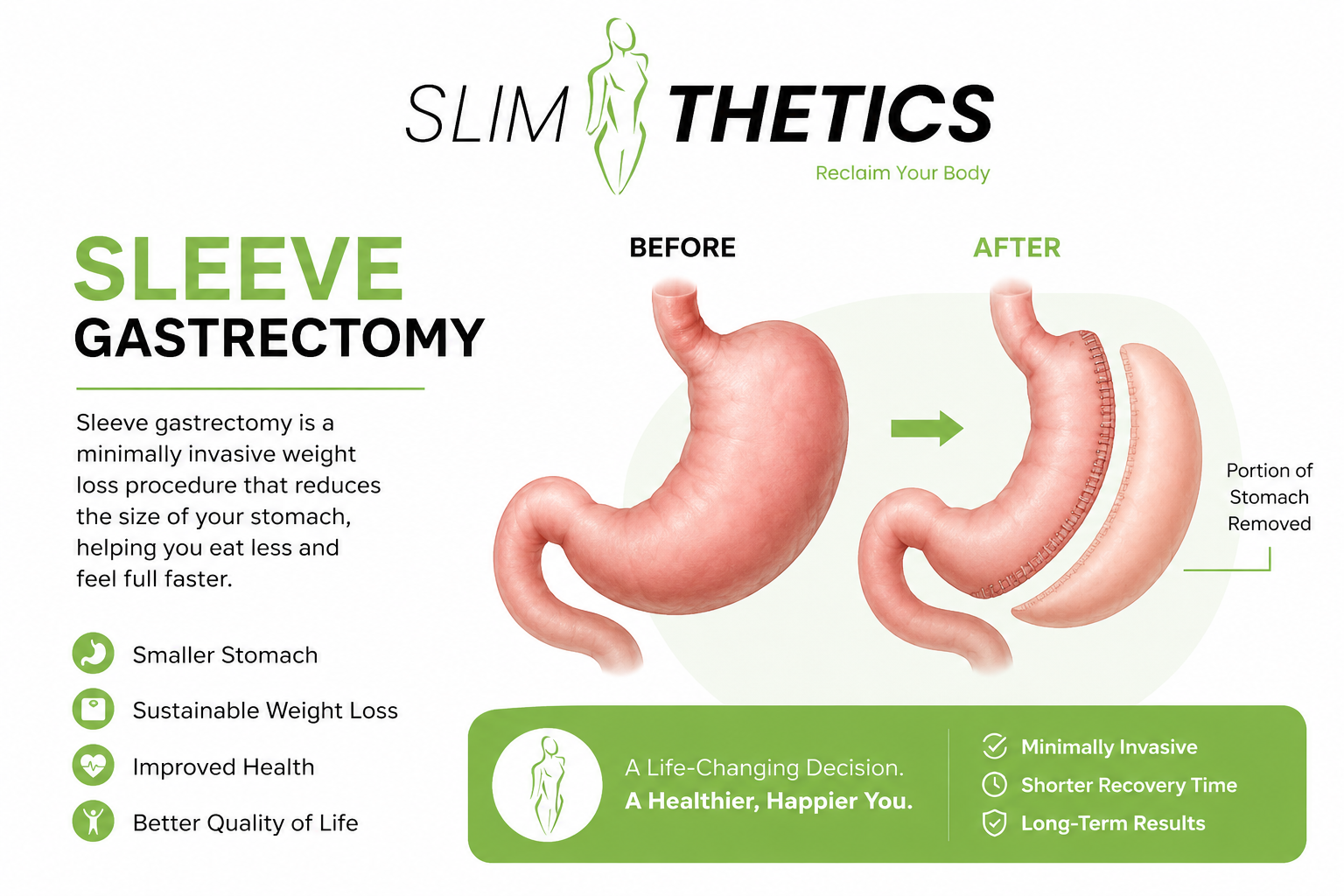
Sleeve gastrectomy is a minimally invasive bariatric procedure that removes approximately 75–80% of the stomach, leaving behind a narrow, sleeve-shaped stomach. The smaller stomach reduces food intake while also decreasing the production of the hunger hormone ghrelin, helping patients feel full sooner and experience fewer hunger cravings.
Benefits of Sleeve Gastrectomy
- Promotes significant and sustainable weight loss.
- Reduces hunger by lowering ghrelin levels.
- Improves obesity-related medical conditions.
- Requires no intestinal bypass.
- Shorter hospital stay compared to some bariatric procedures.
- Encourages healthier eating habits.
Week 1: The Immediate Recovery Phase
The first week focuses primarily on healing and preventing complications. Most patients remain in the hospital for one or two days before being discharged.
What to Expect
- Mild pain and soreness around the incision sites.
- Temporary fatigue and reduced energy.
- Difficulty consuming more than small sips of liquids.
- Walking is encouraged several times a day.
- Strict liquid diet begins.
Important Recovery Tips
- Stay hydrated by taking frequent small sips.
- Follow medication instructions carefully.
- Avoid lifting heavy objects.
- Monitor incision sites for signs of infection.
- Attend your scheduled follow-up appointment.
Week 2: Adjusting to the New Routine
During the second week, patients generally begin feeling more comfortable. Energy levels slowly improve, and the body starts adapting to the smaller stomach.
Dietary Progression
Most surgeons recommend moving from clear liquids to:
- Protein shakes.
- Pureed foods.
- Low-fat yogurt.
- Blended soups.
- Sugar-free beverages.
Physical Activity
Light movement remains important.
- Short daily walks.
- Gentle stretching.
- Avoid strenuous exercise.
- Focus on maintaining hydration.
Week 3: Healing Continues
By the third week, discomfort usually decreases significantly. Many patients notice visible weight loss during this stage, which can provide strong motivation to continue healthy habits.
Common Changes
- Increased mobility.
- Improved sleep quality.
- Less postoperative pain.
- Better tolerance for soft foods.
Nutrition Goals
Patients should prioritize:
- High-protein meals.
- Adequate water intake.
- Small meal portions.
- Slow eating habits.
Week 4: Returning to Daily Activities
Around one month after surgery, many individuals are ready to return to work if their job does not involve heavy physical labor.
Lifestyle Improvements
- Increased confidence.
- Improved mobility.
- Better stamina.
- Reduced joint discomfort.
Foods Commonly Introduced
Depending on your surgeon's guidance, patients may gradually begin eating:
- Soft chicken.
- Fish.
- Scrambled eggs.
- Cottage cheese.
- Cooked vegetables.
Weeks 5–8: Building Healthy Habits
The second month is an important stage where healthy routines become long-term habits rather than temporary adjustments.
Exercise Recommendations
Patients may gradually introduce:
- Brisk walking.
- Light cycling.
- Swimming.
- Beginner strength exercises.
- Flexibility workouts.
Exercise should always be approved by the bariatric team before increasing intensity.
Eating Habits to Develop
- Eat slowly.
- Chew food thoroughly.
- Avoid sugary drinks.
- Limit processed foods.
- Focus on lean protein.
Months 3–6: Noticeable Weight Loss
Most patients experience substantial weight reduction during this period. Clothes fit better, daily activities become easier, and overall health often improves.
Positive Health Changes
Many patients notice improvements in:
- Type 2 diabetes.
- High blood pressure.
- High cholesterol.
- Sleep apnea.
- Joint pain.
Mental and Emotional Changes
Weight loss often leads to:
- Greater self-confidence.
- Increased motivation.
- Better mood.
- Improved quality of life.
Maintaining realistic expectations remains essential throughout the journey.
Long-Term Recovery After Sleeve Gastrectomy
Although physical recovery occurs within weeks, long-term success depends on lifelong lifestyle changes.
Healthy Habits for Lasting Results
- Eat balanced meals.
- Prioritize protein intake.
- Stay hydrated.
- Exercise consistently.
- Attend follow-up appointments.
- Take recommended vitamin supplements.
- Monitor your progress regularly.
These habits help maintain weight loss while reducing the risk of nutritional deficiencies.
Foods to Avoid During Recovery
Certain foods may cause discomfort or interfere with healing during the early months.
Foods to Limit
- Carbonated beverages.
- Sugary desserts.
- Fried foods.
- Highly processed snacks.
- Tough meats.
- Alcohol.
- High-fat fast food.
Choosing nutrient-dense foods supports faster healing and better long-term outcomes.
Common Symptoms During Recovery
Some temporary symptoms are considered normal as the body adjusts.
Normal Recovery Signs
- Mild nausea.
- Fatigue.
- Reduced appetite.
- Temporary constipation.
- Minor abdominal soreness.
Patients should contact their healthcare provider immediately if they experience:
- Persistent vomiting.
- High fever.
- Severe abdominal pain.
- Difficulty breathing.
- Excessive bleeding.
- Signs of dehydration.
Tips for a Smooth Recovery
Successful recovery requires consistency and patience.
Best Practices
- Follow your surgeon's dietary instructions.
- Drink enough water throughout the day.
- Meet daily protein goals.
- Walk regularly.
- Avoid smoking.
- Get adequate sleep.
- Keep all follow-up appointments.
These simple practices significantly improve healing and long-term success.
Frequently Asked Questions
How long does recovery take?
Most patients resume normal daily activities within two to four weeks, although complete internal healing continues for several months.
When can I exercise again?
Light walking begins almost immediately after surgery, while more vigorous exercise is usually introduced after four to six weeks with medical approval.
How much weight will I lose?
Weight loss varies based on individual factors, but many patients lose a significant percentage of their excess body weight within the first year when following recommended lifestyle changes.
Will I need vitamin supplements?
Yes. Most patients require lifelong vitamin and mineral supplementation to maintain proper nutrition after surgery.
Can I return to work quickly?
Many office workers return within two to four weeks, while physically demanding jobs may require a longer recovery period.
Final Thoughts
Recovering from sleeve gastrectomy is a gradual process that extends far beyond the operating room. Each week brings meaningful progress, from healing incisions and adapting to a new diet to building healthier habits that support lifelong weight management. Following your surgeon's instructions, maintaining proper nutrition, staying physically active, and attending regular follow-up appointments are the foundations of a successful recovery and lasting results.
If you are planning your weight loss journey and looking for expert care, Slimthetics Clinic combines experienced bariatric specialists, advanced surgical techniques, personalized nutritional guidance, and comprehensive aftercare to support you every step of the way. Whether you are exploring Sleeve Gastrectomy in Islamabad or preparing for recovery, our dedicated team is committed to helping you achieve safe, sustainable, and life-changing results.