What Is Varicocele? Symptoms, Causes, and Treatment Options?
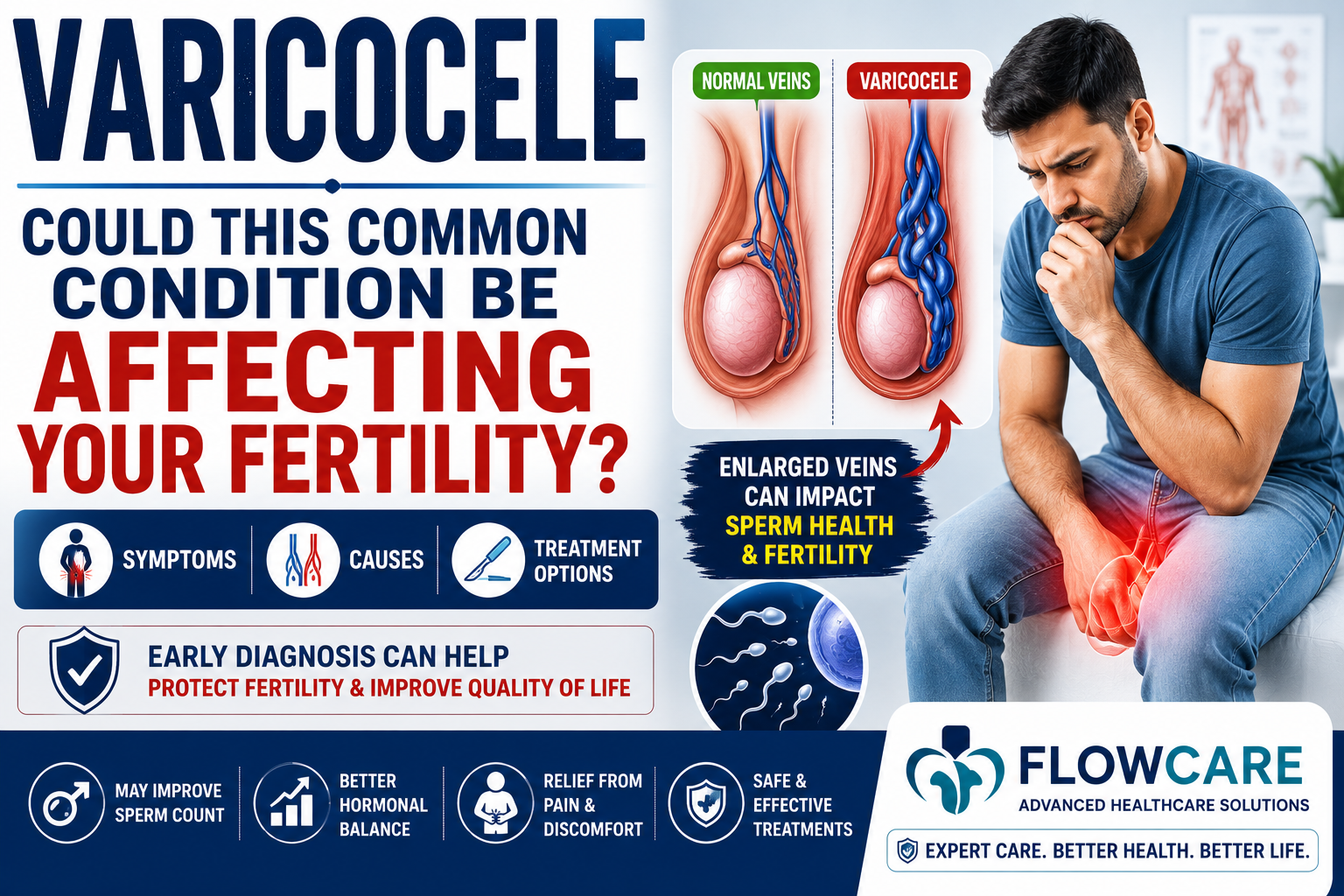
Varicocele is one of the most common conditions affecting the male reproductive system. It occurs when the veins inside the scrotum become enlarged, similar to varicose veins that develop in the legs. While some men experience no symptoms, others may develop discomfort, testicular changes, or fertility-related concerns.
Understanding the symptoms, causes, and treatment options for varicocele can help individuals seek timely medical attention and prevent potential complications.
What Is Varicocele?
A varicocele is an enlargement of the veins within the scrotum, specifically the pampiniform plexus, a network of veins responsible for draining blood from the testicles.
This condition commonly develops during puberty and is more frequently found on the left side of the scrotum due to differences in venous anatomy.
Varicocele affects approximately 15% of men and is one of the most common causes of male infertility.
What Causes Varicocele?
Varicocele develops when blood flow through the veins of the spermatic cord becomes impaired.
Normally, tiny valves inside the veins help blood move efficiently back toward the heart.
When these valves do not function properly:
- Blood may pool inside the veins
- Pressure increases
- Veins enlarge over time
Several factors may contribute to varicocele formation, including:
- Defective vein valves
- Increased venous pressure
- Anatomical variations
- Family history
Common Symptoms of Varicocele
Many men may not realize they have a varicocele because symptoms can develop gradually.
Common symptoms include:
Dull Aching Pain
Many patients describe:
- Mild discomfort
- Dull aching sensation
- Heaviness in the scrotum
Pain often worsens after:
- Prolonged standing
- Physical activity
- Exercise
Scrotal Swelling
Enlarged veins may create visible swelling within the scrotum.
Some individuals describe the veins as feeling like a "bag of worms."
Testicular Shrinkage
In some cases, the affected testicle may become smaller due to reduced blood flow and increased temperature.
Fertility Problems
Varicocele may affect:
- Sperm count
- Sperm quality
- Sperm motility
This is one reason varicocele is commonly investigated during fertility evaluations.
How Does Varicocele Affect Fertility?
The testicles require a slightly lower temperature than the rest of the body for healthy sperm production.
Varicocele may increase scrotal temperature and interfere with:
- Sperm development
- Testosterone production
- Overall reproductive function
Many men with infertility are found to have an underlying varicocele.
Types and Grades of Varicocele
Doctors often classify varicoceles according to severity.
Grade 1
- Small
- Detectable only during physical examination with special maneuvers
Grade 2
- Easily felt during examination
- Not always visible
Grade 3
- Large
- Clearly visible through the skin
- Often associated with more noticeable symptoms
How Is Varicocele Diagnosed?
Diagnosis typically begins with a medical evaluation.
Doctors may perform:
Physical Examination
The scrotum is examined while standing and lying down.
Ultrasound
Scrotal ultrasound provides detailed imaging and helps confirm the diagnosis.
Ultrasound may reveal:
- Enlarged veins
- Abnormal blood flow
- Testicular changes
When Does Varicocele Require Treatment?
Not every varicocele requires treatment.
However, medical intervention may be recommended when:
- Pain persists
- Fertility is affected
- Testicular shrinkage develops
- Symptoms interfere with daily life
Early evaluation can help determine the most appropriate course of action.
Treatment Options for Varicocele
Observation
Men with mild symptoms may only require periodic monitoring.
Lifestyle Adjustments
Some patients benefit from:
- Limiting strenuous activities
- Wearing supportive undergarments
- Managing discomfort with physician-guided care
Varicocele Surgery (Varicocelectomy)
Varicocelectomy involves sealing affected veins and redirecting blood flow through healthy vessels.
Potential benefits include:
- Improved comfort
- Better blood circulation
- Enhanced fertility outcomes
Varicocele Embolization
This minimally invasive procedure blocks abnormal veins using specialized techniques.
Advantages may include:
- Faster recovery
- Minimal scarring
- Outpatient treatment
Recovery After Varicocele Treatment
Recovery depends on the type of treatment performed.
Many patients can:
- Resume normal activities within a few days
- Return to work quickly
- Gradually resume exercise under medical guidance
Follow-up evaluations help monitor recovery and fertility improvements.
Can Varicocele Be Prevented?
Because anatomical factors often contribute to varicocele development, complete prevention may not always be possible.
However, seeking evaluation for:
- Scrotal pain
- Swelling
- Fertility concerns
can help identify problems early and reduce the risk of complications.
Conclusion
Varicocele is a common condition that occurs when veins within the scrotum become enlarged. While some men experience no symptoms, others may develop pain, swelling, testicular changes, or fertility challenges. Early diagnosis and proper treatment can improve symptoms and help protect reproductive health.
If you experience scrotal discomfort, visible swelling, or concerns about fertility, seeking professional medical evaluation is important. Modern treatment options can effectively manage symptoms and improve long-term outcomes.
For individuals seeking advanced healthcare solutions and specialized patient-focused medical care, visit to learn more about comprehensive treatment services and expert healthcare support.
FAQs
Is varicocele dangerous?
Most varicoceles are not life-threatening, but they can affect fertility and cause ongoing discomfort if left untreated.
Can varicocele cause infertility?
Yes. Varicocele is one of the most common causes of male infertility and may affect sperm production and quality.
Does every varicocele require treatment?
No. Treatment is generally recommended when symptoms, fertility issues, or testicular changes occur.
What is the best treatment for varicocele?
The best treatment depends on symptom severity, fertility goals, and individual health factors. Options include observation, embolization, and surgery.
Can varicocele return after treatment?
Although uncommon, recurrence is possible. Regular follow-up helps monitor long-term outcomes.
Medical Disclaimer
This article is for informational purposes only and should not be considered medical advice. Always consult a qualified healthcare professional for diagnosis and treatment recommendations tailored to your individual condition.
Categories
Read More
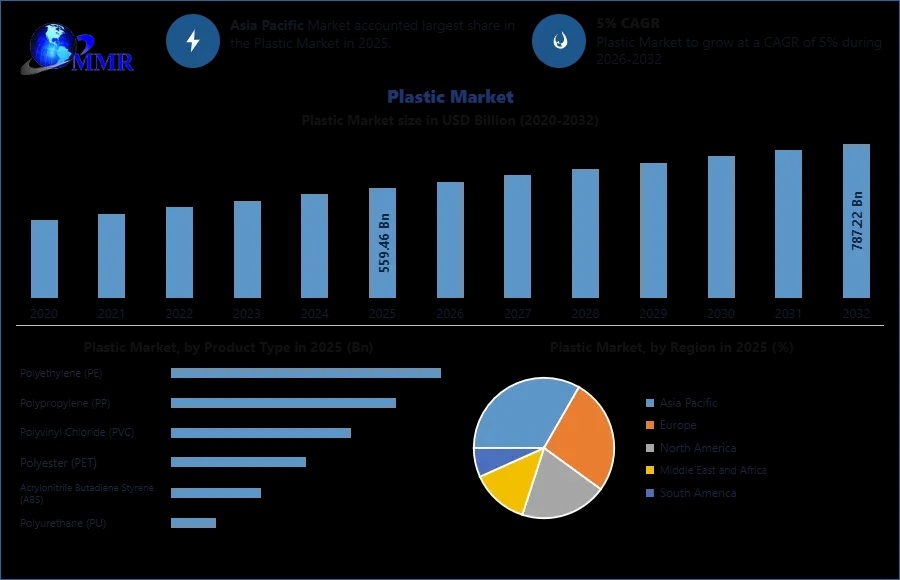
Key Highlights Plastic Market size reached USD 559.46 Billion in 2025, creating significant opportunities for manufacturers to expand production capacity. The market is projected to reach USD 787.22 Billion by 2032, growing at a CAGR of 5% from 2026 to 2032, supporting long-term investment strategies. Rising demand from packaging, automotive, construction, healthcare, and...
(圖/ 高雄市政府經濟發展局) 在金融監督管理委員會(下稱金管會)指導下,由臺灣證券交易所統籌建置的「亞洲資產管理中心推動辦公室」今(1)日正式揭牌啟用,並同步上線「亞洲資產管理中心專屬網站」。金管會副主委陳彥良出席啟動典禮,並邀集高雄市政府、證券櫃檯買賣中心、臺灣集中保管結算所、相關公會及四大會計師事務所共同參與,象徵政府推動金融國際化邁入實質落地新階段。 陳副主委致詞時指出,亞資中心政策自113年9月推動以來,最顯著成果即為法規鬆綁,目前已完成36項調整,進度超前114年度目標。同時,高雄專區於今年7月揭牌,吸引銀行、投信、券商、保險公司及國際會計師事務所進駐,展現業界高度期待。金融業整體資產管理規模(AUM)亦快速成長,較去年同期增加近3兆元,使臺灣成為區域資金熱點。 (圖/ 高雄市政府經濟發展局)...

