Understanding Pico Lasers vs. Traditional Tattoo Removal Lasers
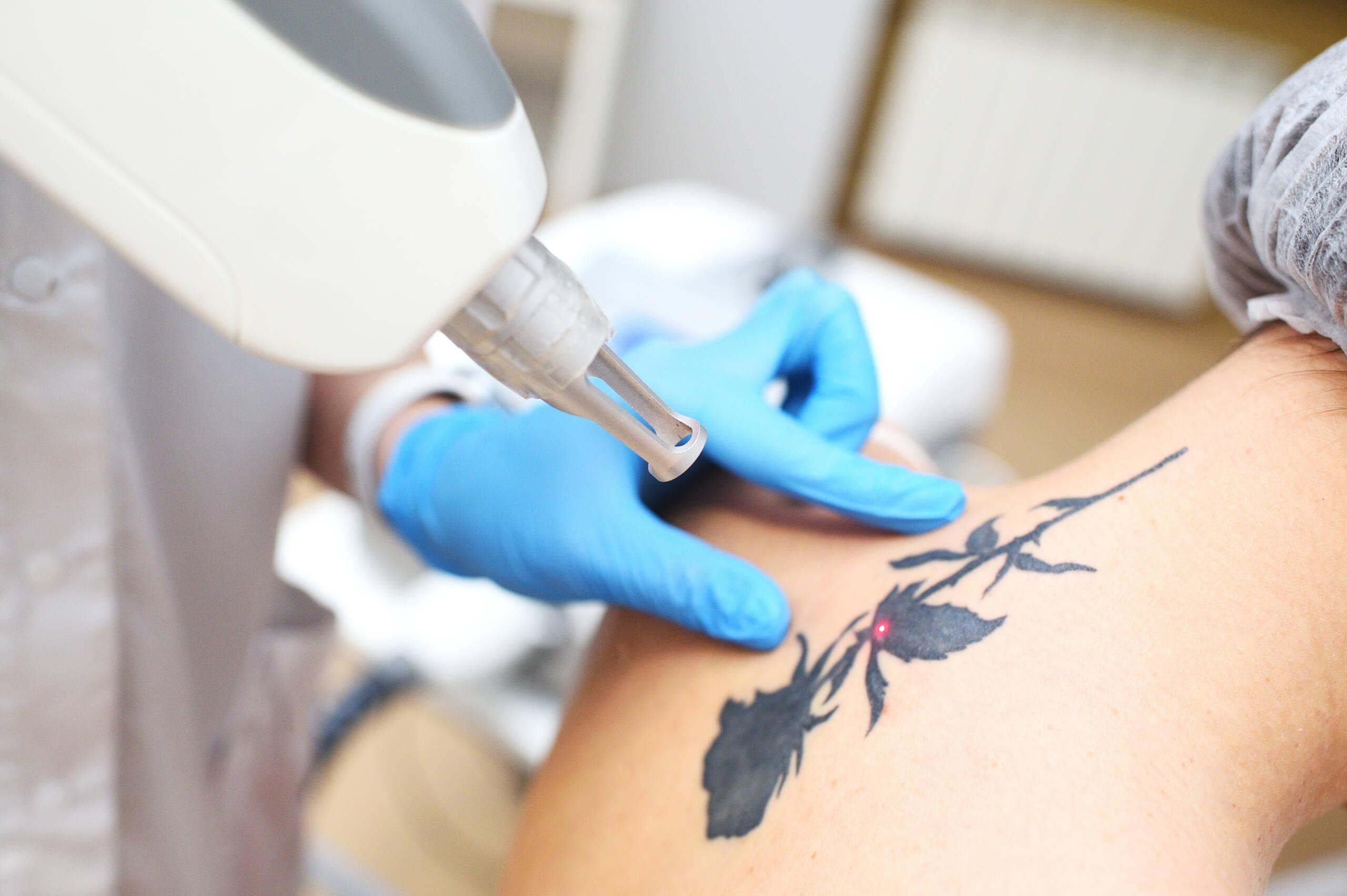
Tattoo removal technology has advanced significantly over the years, offering faster, safer, and more effective results than ever before. One of the biggest innovations in this field is the introduction of pico lasers, which are often compared to traditional laser systems. People researching Laser Tattoo Removal in Riyadh frequently encounter both options, but understanding how they differ is essential for setting realistic expectations about results, comfort, and treatment duration.
How Traditional Tattoo Removal Lasers Work:
Traditional laser systems, most commonly Q-switched lasers, work by delivering short bursts of high-energy light into the skin. This energy targets tattoo pigment, heating it and breaking it into smaller fragments that the immune system can gradually remove. These systems have been the standard in tattoo removal for many years and are still widely used.
Key characteristics include:
- Nanosecond pulse duration
- High-energy light bursts
- Effective ink fragmentation
- Reliance on immune system clearance
- Multiple sessions required for results
How Pico Lasers Work:
Pico lasers use a newer technology that delivers energy in picoseconds (trillionths of a second), which is significantly faster than traditional nanosecond lasers. Instead of primarily relying on heat, pico lasers create a stronger photoacoustic effect that shatters ink into much smaller particles.
Key characteristics include:
- Ultra-short picosecond pulses
- Strong photoacoustic ink breakdown
- Reduced heat damage to skin
- More efficient pigment fragmentation
- Faster visible fading in many cases
Speed of Tattoo Fading:
One of the most noticeable differences between pico and traditional lasers is the speed of results. Pico lasers tend to break ink into finer particles, allowing the body to clear pigment more efficiently. Traditional lasers still work effectively but often require more sessions to achieve similar results.
Comparison of speed:
- Pico lasers: Faster fading per session
- Traditional lasers: Gradual fading over more sessions
- Pico advantage: Reduced overall treatment timeline
- Both require multiple sessions depending on tattoo
Effectiveness on Different Ink Colors:
Ink color plays a major role in how well lasers perform. Traditional lasers are highly effective on black and dark blue inks but may struggle more with lighter or complex colors. Pico lasers offer improved performance across a broader spectrum of colors due to their advanced energy delivery.
Color response differences:
- Black ink: Both systems highly effective
- Blue and dark green: Better response with pico lasers
- Red ink: Moderate response in both systems
- Yellow and light colors: Pico lasers perform better
- Multicolor tattoos: Pico lasers offer more flexibility
Skin Safety and Heat Damage:
Because traditional lasers rely more on heat, they can sometimes cause more thermal stress on surrounding skin. Pico lasers reduce this effect by using shorter pulses and a stronger mechanical breakdown of pigment rather than heat alone. This makes them particularly useful for sensitive skin types.
Safety considerations:
- Pico lasers: Lower heat buildup
- Traditional lasers: Higher thermal effect
- Reduced risk of irritation with pico technology
- Both require professional calibration
- Skin type still plays a major role in safety
Number of Sessions Required:
The number of sessions needed varies depending on tattoo size, ink density, and individual skin response. However, pico lasers generally reduce the total number of sessions because they break ink into smaller particles more efficiently.
Session comparison:
- Pico lasers: Fewer sessions on average
- Traditional lasers: More gradual treatment plan
- Dense tattoos may still require multiple sessions
- Healing time between sessions remains important
- Individual response varies significantly
Pain and Comfort Levels:
Pain perception during laser tattoo removal is subjective, but technology does influence comfort. Pico lasers are often considered slightly more comfortable because they reduce heat buildup in the skin, while traditional lasers may feel more intense due to longer thermal exposure.
Comfort differences:
- Pico lasers: Shorter, sharper sensation
- Traditional lasers: Longer heat-based discomfort
- Cooling systems improve comfort in both
- Treatment area affects pain level
- Individual tolerance varies widely
Risk of Side Effects and Skin Changes:
Both laser types are generally safe when performed correctly, but side effects can occur if treatment is not properly managed. Pico lasers tend to reduce the risk of pigmentation changes due to their lower heat impact, though professional technique remains the most important factor.
Possible side effects include:
- Temporary redness and swelling
- Mild blistering in some cases
- Pigmentation changes (rare with proper care)
- Skin sensitivity after treatment
- Gradual return to normal skin tone
Cost Differences Between Pico and Traditional Lasers:
Pico laser treatments are typically more expensive per session due to newer technology and higher equipment costs. However, because fewer sessions may be required, total treatment cost differences may balance out over time.
Cost considerations:
- Pico lasers: Higher per-session cost
- Traditional lasers: Lower per-session cost
- Total cost depends on number of sessions
- Tattoo complexity affects pricing
- Clinic expertise also influences cost
Which Laser Is Better Overall:
There is no universal “best” option, as both technologies have advantages depending on the tattoo and patient needs. Pico lasers are generally preferred for faster results and complex tattoos, while traditional lasers remain effective and widely used for standard black ink tattoos.
General guidance:
- Pico lasers: Best for speed and complex colors
- Traditional lasers: Effective and widely available
- Tattoo type determines ideal choice
- Skin type must always be considered
- Professional consultation is essential
Importance of Professional Evaluation:
Choosing the right laser type is not a one-size-fits-all decision. A trained specialist evaluates tattoo characteristics, skin type, and medical history before deciding which technology will deliver the safest and most effective results.
Evaluation typically includes:
- Tattoo size and ink depth assessment
- Color analysis and complexity review
- Skin tone classification
- Medical history screening
- Personalized treatment planning
Individuals Seeking Treatment in Riyadh:
People exploring Laser Tattoo Removal in Riyadh benefit from access to both traditional Q-switched systems and advanced pico laser technology. The choice between them depends on tattoo complexity, desired speed of results, and professional assessment of skin safety.
Final Thoughts
Pico lasers and traditional tattoo removal lasers both play important roles in modern dermatology. While traditional systems remain effective and reliable, pico technology offers faster fading, improved color targeting, and reduced heat impact on the skin. The best option ultimately depends on individual tattoo characteristics and professional evaluation. With the right approach, both technologies can deliver safe, effective, and satisfying tattoo removal results when guided by experienced practitioners.
