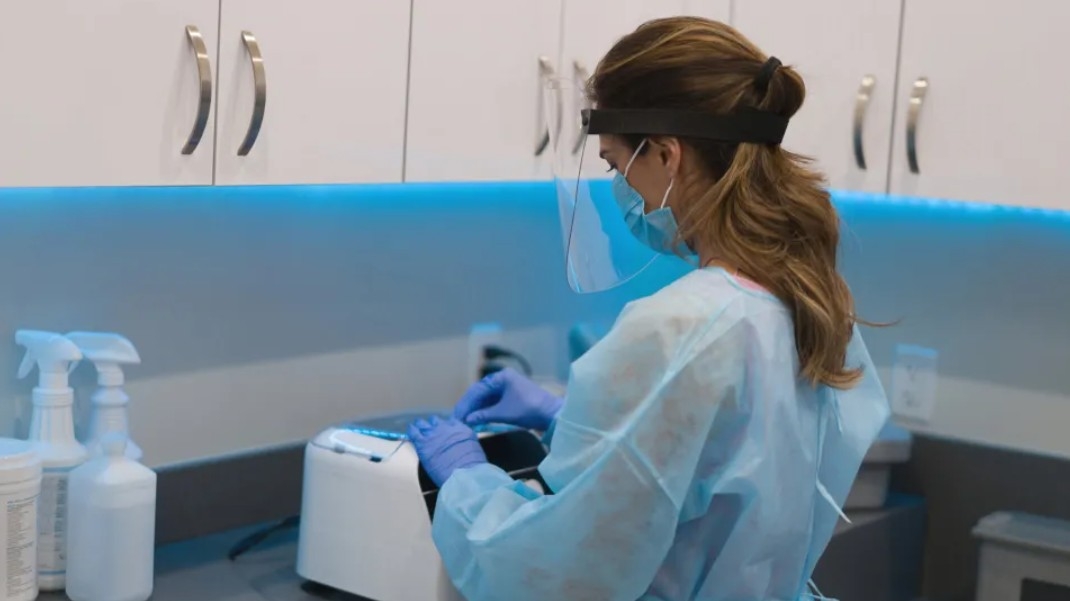

In the highly regulated environment of a healthcare facility, the sterile assembly area serves as the final, critical checkpoint before surgical instruments reach the patient. It is here that the culmination of meticulous cleaning, inspection, and sterilization processes is finalized. However, even the most robust sterilization protocols can be compromised if the environment itself is not strictly controlled. Environmental monitoring in the sterile assembly area is not merely a bureaucratic requirement; it is a fundamental safeguard against the invisible threats of microbial contamination and particulate matter. Without rigorous and continuous observation of the ambient conditions—including temperature, humidity, and airflow patterns—the integrity of the sterile barrier system remains vulnerable to unseen environmental fluctuations that can undermine patient safety and compromise the surgical outcome.
The Role of Air Quality and Particle Control
Air quality is arguably the most significant factor in maintaining a sterile assembly environment. Airborne contaminants—such as skin flakes, dust, and microorganisms—can easily settle on sterile surfaces or be pulled into packages if the air pressure and filtration systems are not functioning optimally. Environmental monitoring systems measure these particulate levels to ensure that they stay well below the strict thresholds defined by national standards and industry best practices. By tracking these metrics in real-time, facilities can document that their air handling units and HEPA filtration systems are performing as intended. This documentation serves as a critical audit trail, proving that the facility is proactively protecting its sterile inventory from the constant risks posed by the surrounding hospital environment.
For those working within these sensitive areas, the nuances of airflow and pressure differentials are paramount. Understanding how air moves, why positive pressure is necessary, and how different ventilation settings impact the microbial load is a core competency that is typically mastered during a formal sterile processing technician course. Technicians who are properly trained act as the first line of defense; they are the eyes on the ground who notice if an environmental sensor is flagging an anomaly or if an access point is being left open too long, thereby disrupting the controlled airflow. Their expertise is what transforms passive environmental monitoring data into actionable safety interventions, ensuring that the sterile barrier is never compromised while equipment is being assembled and packaged.
Managing Temperature and Humidity for Sterile Integrity
While particulate matter is a visible and well-documented concern, temperature and humidity control are equally critical components of environmental monitoring. Excessive humidity can encourage the proliferation of mold and bacteria, while extremely low humidity can lead to static electricity, which can attract dust to surfaces that should remain pristine. Furthermore, extreme fluctuations in temperature can place stress on the heat-sealing materials used to package sterile items, potentially creating microscopic weaknesses that allow for ingress of contaminants. Environmental monitoring systems track these fluctuations around the clock, providing a safety net that protects the shelf life and stability of sterile instruments and supplies throughout their journey from the assembly bench to the operating room.
Consistency in the assembly area environment directly impacts the longevity of sterilized sets. When environmental monitoring detects a spike in humidity or a drop in temperature, facility managers can intervene by adjusting the HVAC systems or isolating affected inventory before it ever enters the clinical setting. The complexity of these variables underscores the need for highly skilled personnel. Those who have completed a specialized sterile processing technician course are trained to recognize the relationship between environmental stability and the shelf life of sterile products. They understand that monitoring is not just about recording numbers on a log; it is about interpreting environmental data to ensure that the rigorous, high-cost investment in sterilization equipment is protected and that the patient receiving the surgical care is kept free from preventable environmental hazards.
Building a Culture of Vigilance and Compliance
Ultimately, the goal of environmental monitoring in the sterile assembly area is to build an unshakeable culture of compliance and patient safety. When technicians and supervisors consistently review monitoring data, they normalize a high standard of operational excellence. This vigilance ensures that compliance is not viewed as a chore performed for auditors, but as an essential daily practice that defines the quality of care provided by the hospital. In an era where surgical outcomes are increasingly scrutinized and healthcare-associated infections remain a primary concern, the ability to demonstrate a controlled and monitored sterile assembly environment is a hallmark of a high-performing healthcare facility.