What to Avoid Before and After Q-Switched Laser Treatment
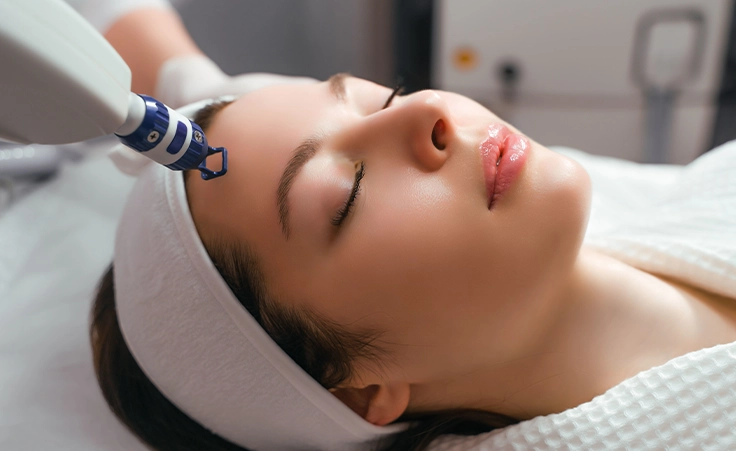
Preparing properly before a cosmetic procedure and following correct aftercare afterward are both essential for achieving safe and effective results. Many patients focus only on the treatment itself, but what they avoid before and after plays a major role in outcomes. In clinical dermatology, Q-switched Laser Treatment is widely used for pigmentation and skin clarity, but its success also depends on avoiding certain habits, products, and environmental factors that can interfere with healing and results.
Understanding the Importance of Pre and Post Care:
Pre and post-treatment care is designed to reduce complications, enhance healing, and improve overall results. The skin becomes more sensitive during this period, so protective measures are necessary.
Key reasons include:
- Reducing risk of irritation
- Preventing pigmentation rebound
- Supporting faster healing
- Enhancing treatment effectiveness
- Protecting skin barrier function
Ignoring these steps may lead to slower recovery or uneven results.
What to Avoid Before Treatment:
Before undergoing laser sessions, the skin must be in its healthiest possible condition. Certain habits and products can increase sensitivity or interfere with treatment.
Things to avoid include:
- Direct sun exposure for at least 1–2 weeks
- Tanning beds or artificial tanning
- Strong exfoliating products (AHAs, BHAs, retinoids)
- Waxing or threading in treated areas
- Chemical peels close to session date
- Harsh scrubs or abrasive skincare
These precautions help ensure the skin responds safely to laser energy.
Medications and Products to Avoid:
Some medications and skincare products can increase skin sensitivity or affect healing. It is important to inform the dermatologist about all ongoing treatments.
Common items to avoid include:
- Retinoids (retinol, tretinoin)
- Photosensitizing antibiotics (if prescribed)
- Strong vitamin C serums (in some cases)
- Steroid creams without guidance
- Alcohol-based toners
- Fragrance-heavy skincare products
Dermatologists may adjust treatment plans based on medication history.
Lifestyle Habits to Avoid Before Treatment:
Certain lifestyle choices can negatively affect skin condition and treatment response. Preparing the body and skin properly helps improve outcomes.
Habits to avoid include:
- Smoking before treatment
- Excessive alcohol consumption
- Poor hydration
- Lack of sleep
- High sun exposure activities
- Stress-related skin irritation
Healthy habits improve skin resilience before laser sessions.
What to Avoid Immediately After Treatment:
After the procedure, the skin is temporarily more sensitive and requires careful protection. Avoiding certain actions helps prevent irritation and pigmentation issues.
Post-treatment restrictions include:
- Direct sun exposure
- Hot showers or steam rooms
- Heavy sweating or intense workouts
- Scratching or rubbing treated skin
- Makeup application for 24–48 hours (if advised)
- Swimming in chlorinated pools
These precautions help the skin recover smoothly.
Skincare Products to Avoid After Treatment:
The skin barrier becomes temporarily delicate after laser exposure, so harsh products can cause irritation or delay healing.
Avoid using:
- Retinoids or retinol products
- Exfoliating acids (AHA/BHA)
- Scrubs or physical exfoliants
- Alcohol-based skincare
- Strong bleaching agents
- Fragranced creams or lotions
Gentle and hydrating products are usually recommended instead.
Sun Exposure Risks After Treatment:
Sun exposure is one of the most important factors to avoid after laser treatment. The skin becomes more prone to pigmentation if not protected properly.
Risks of sun exposure include:
- New pigmentation formation
- Worsening of existing spots
- Delayed healing
- Skin irritation
- Uneven treatment results
Daily sunscreen use is essential for protection.
Physical Activities to Avoid:
Certain activities can increase heat, sweat, or friction on the skin, which may affect healing after treatment.
Activities to limit include:
- Heavy gym workouts
- Running or intense cardio
- Sauna or steam exposure
- Hot yoga sessions
- Outdoor sports in direct sunlight
Resting the skin for a short period supports recovery.
Makeup and Cosmetic Use:
Makeup can sometimes irritate freshly treated skin, especially in the first 24–48 hours after the procedure.
Things to avoid include:
- Heavy foundation immediately after treatment
- Oil-based makeup products
- Comedogenic cosmetics
- Frequent reapplication of makeup early on
Once the skin settles, gentle makeup use may resume as advised.
Common Mistakes Patients Make:
Many patients unintentionally slow down healing or reduce results by not following proper guidelines. Awareness helps avoid these errors.
Common mistakes include:
- Skipping sunscreen application
- Using active skincare too early
- Over-exfoliating healing skin
- Ignoring hydration needs
- Not following dermatologist instructions
Avoiding these mistakes improves long-term outcomes.
Importance of Follow-Up Care:
Follow-up care ensures the skin is healing correctly and allows adjustments if needed. Ignoring follow-ups may reduce treatment effectiveness.
Follow-up care includes:
- Monitoring skin response
- Adjusting treatment settings
- Addressing side effects early
- Planning next sessions properly
- Reviewing skincare routine
Consistent follow-up ensures optimal results.
Why Avoidance Rules Matter:
Avoiding certain habits and products is not just precautionary but essential for achieving safe and effective results. The skin needs time and protection to respond properly to treatment.
Benefits of following guidelines include:
- Faster healing
- Better pigmentation control
- Reduced side effects
- Improved treatment efficiency
- Longer-lasting results
Proper care enhances overall treatment success.
Role of Dermatologist Guidance:
Professional guidance ensures that patients understand exactly what to avoid and for how long. Each skin type may require slightly different instructions.
Dermatologist responsibilities include:
- Pre-treatment evaluation
- Personalized avoidance guidelines
- Post-treatment monitoring
- Adjusting skincare recommendations
- Ensuring safe recovery
Expert supervision is key to preventing complications.
Final Thoughts:
Avoiding specific habits, products, and environmental triggers before and after laser treatment is essential for achieving safe, effective, and long-lasting results. While the procedure itself plays a major role in improving pigmentation and skin clarity, proper preparation and aftercare significantly influence outcomes. With careful adherence to professional guidelines and consistent skin protection, patients can maximize benefits and enjoy healthier, more even-toned skin over time.
