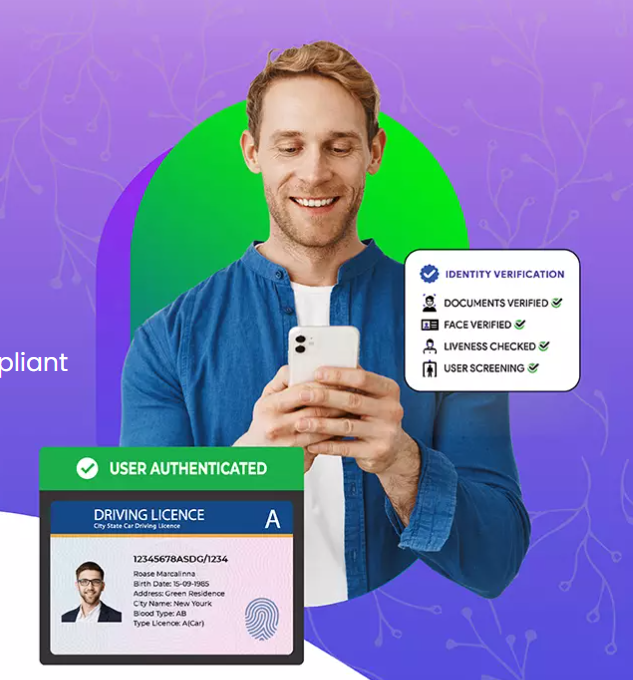
Liveness Verification and NFC Identity Verification: Strengthening Digital Security

In today’s digital world, businesses must ensure secure and seamless customer onboarding. With the rise of online fraud and identity theft, technologies like liveness verification and NFC identity verification have become essential for organizations that handle sensitive customer data. From banking and fintech to healthcare and telecom, these advanced verification methods help companies improve security, reduce fraud, and deliver a smooth user experience.
What is Liveness Verification?
Liveness verification is a biometric security process used to confirm that the person being verified is physically present during identity authentication. It prevents fraudsters from using photos, videos, or masks to bypass face recognition systems.
Modern liveness detection technology uses artificial intelligence and facial analysis to identify real human movements and behaviors. This ensures that the user completing the verification process is genuine.
Benefits of Liveness Verification
- Prevents spoofing attacks using fake images or recorded videos
- Enhances security during digital onboarding
- Supports secure remote customer verification
- Improves compliance with KYC and AML regulations
- Reduces identity fraud risks for businesses
Industries such as banking, insurance, cryptocurrency, and e-commerce rely heavily on liveness verification to build trust and protect customer accounts.
Understanding NFC Identity Verification
NFC identity verification uses Near Field Communication (NFC) technology to read data stored inside electronic identity documents such as passports, national ID cards, and residence permits. NFC-enabled identity documents contain encrypted chips that securely store personal and biometric information.
During the verification process, users simply tap their NFC-enabled ID document against their smartphone. The system then extracts and validates the encrypted data from the chip to confirm authenticity.
Advantages of NFC Identity Verification
- Verifies authentic government-issued identity documents
- Detects forged or tampered documents
- Provides highly secure identity authentication
- Offers fast and contactless verification
- Enhances customer onboarding experience
NFC verification is widely used in industries that require high-level identity assurance, including financial services, travel, and digital payment platforms.
How Liveness Verification and NFC Identity Verification Work Together
Combining liveness verification with NFC identity verification creates a powerful multi-layered security solution. NFC technology confirms the authenticity of the identity document, while liveness detection verifies that the document holder is physically present.
This combination helps businesses:
- Eliminate fake identities and impersonation fraud
- Strengthen digital KYC processes
- Improve user trust and platform security
- Accelerate remote onboarding procedures
- Meet global regulatory compliance standards
Organizations implementing both technologies can achieve secure and frictionless customer verification without requiring physical branch visits.
Future of Digital Identity Verification
As cyber threats continue to evolve, businesses are increasingly adopting AI-driven identity verification solutions. Liveness verification and NFC identity verification are becoming key components of modern digital identity systems because they provide accuracy, convenience, and enhanced protection against fraud.
Companies investing in advanced identity verification technologies can improve operational efficiency while delivering a secure customer experience. In the coming years, these solutions will continue to shape the future of digital onboarding and online security across industries.