Insomnia Support: Improving Sleep and Mental Wellness Naturally

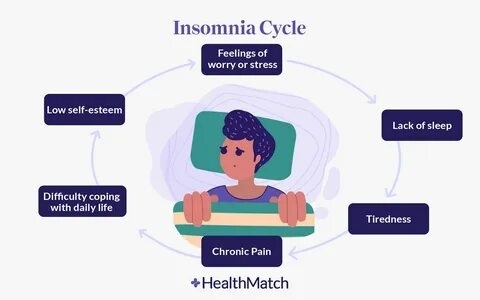
Insomnia support is essential for individuals struggling with difficulty falling asleep, staying asleep, or achieving restful sleep. Sleep problems can affect emotional health, brain function, focus, energy levels, and overall quality of life. Chronic insomnia may contribute to stress, anxiety, mood imbalance, and reduced cognitive performance if left unaddressed.
Many children, adolescents, and adults experience insomnia due to emotional stress, ADHD, anxiety, PTSD, depression, autism spectrum disorder, or nervous system dysregulation. Modern mental wellness approaches increasingly focus on non-invasive methods that support brain function, emotional regulation, and relaxation to improve sleep naturally.
Supportive techniques such as neurofeedback training, EEG biofeedback, counseling, and stress management strategies may help individuals improve sleep quality and overall mental wellness.
What Is Insomnia?
Insomnia is a sleep disorder characterized by persistent difficulty sleeping. Individuals with insomnia may struggle to fall asleep, wake frequently during the night, or feel tired even after sleeping.
Insomnia may be short-term or long-term depending on the underlying causes and lifestyle factors involved.
Common signs of insomnia include:
- Difficulty falling asleep
- Frequent nighttime waking
- Waking too early
- Restless sleep
- Daytime fatigue
- Difficulty concentrating
- Irritability or mood changes
- Reduced energy levels
Sleep disruptions can affect both emotional and cognitive functioning, making daily activities more difficult.
Common Causes of Insomnia
Insomnia can develop from a combination of emotional, neurological, environmental, and behavioral factors.
Anxiety and Stress
Stress and racing thoughts are among the most common contributors to sleep difficulties. Emotional tension can keep the brain in a heightened state of alertness.
ADHD and Hyperactivity
Individuals with ADHD may struggle to calm the mind and body before bedtime.
Depression and Mood Disorders
Depression may affect sleep patterns, energy levels, and emotional stability.
PTSD and Trauma
Trauma-related stress responses may cause nightmares, hypervigilance, and interrupted sleep.
Autism Spectrum Disorder
Sensory sensitivity and nervous system dysregulation can contribute to difficulty relaxing and maintaining consistent sleep routines.
Poor Sleep Habits
Irregular schedules, excessive screen time, caffeine intake, and overstimulation before bed may interfere with healthy sleep.
The Connection Between Brain Function and Sleep
The brain controls sleep cycles, emotional processing, and nervous system regulation. Healthy brainwave activity is necessary for transitioning into restful sleep states.
When brainwave patterns become dysregulated, individuals may experience:
- Difficulty relaxing
- Racing thoughts
- Emotional overwhelm
- Increased stress responses
- Restless sleep patterns
Non-invasive brain wellness approaches such as neurofeedback training and EEG biofeedback are designed to support healthier brain activity associated with relaxation and sleep quality.
These methods monitor brainwave patterns and encourage improved self-regulation and nervous system balance.
Potential benefits may include:
- Better sleep onset
- Reduced nighttime awakenings
- Improved relaxation
- Enhanced emotional regulation
- Better focus during the day
- Reduced stress and anxiety responses
Why Sleep Quality Matters
Sleep affects nearly every aspect of mental and physical wellness. Consistent, restorative sleep helps the brain process emotions, improve memory, and maintain cognitive performance.
Healthy sleep may support:
- Emotional stability
- Improved concentration
- Better stress management
- Enhanced learning and memory
- Increased energy levels
- Stronger immune function
- Better mood regulation
When sleep quality improves, individuals often notice positive changes in focus, emotional balance, and daily productivity.
Effective Strategies for Insomnia Support
Improving sleep often involves creating healthy routines and addressing emotional or neurological stressors.
Establish a Consistent Sleep Schedule
Going to bed and waking up at the same time each day helps regulate the body’s internal clock.
Create a Relaxing Bedtime Routine
Calming activities such as reading, mindfulness, or breathing exercises may help prepare the brain for sleep.
Reduce Screen Exposure
Limiting screen time before bed may support natural sleep rhythms and relaxation.
Support Emotional Wellness
Stress management and emotional regulation strategies can reduce mental overstimulation at night.
Improve the Sleep Environment
A quiet, dark, and comfortable room may improve sleep quality and relaxation.
Encourage Healthy Lifestyle Habits
Regular physical activity and balanced daily routines may support better sleep patterns.
Counseling and Emotional Support for Insomnia
Emotional stress and unresolved anxiety are often linked to chronic insomnia. Counseling can help individuals understand emotional triggers and develop healthier coping strategies.
Supportive counseling may focus on:
- Stress reduction
- Anxiety management
- Emotional regulation
- Relaxation techniques
- Behavioral support
- Healthy sleep habits
Combining emotional wellness support with brain-focused approaches may help individuals achieve more consistent and restorative sleep.
Insomnia Support for Children and Adolescents
Children and adolescents can also experience insomnia due to stress, ADHD, anxiety, emotional sensitivity, or sensory challenges. Sleep difficulties may affect behavior, emotional regulation, and academic performance.
Helpful sleep support strategies for children include:
- Maintaining predictable bedtime routines
- Reducing overstimulation before bed
- Encouraging emotional expression
- Supporting relaxation activities
- Limiting electronic device use at night
- Creating calm and sensory-friendly sleep environments
Healthy sleep habits developed during childhood can support long-term mental wellness and emotional resilience.
Long-Term Benefits of Better Sleep
Improving sleep quality can positively impact emotional well-being, cognitive performance, and daily functioning. Individuals who experience restful sleep often feel more emotionally balanced, focused, and energized throughout the day.
Long-term benefits of insomnia support may include:
- Improved emotional resilience
- Better concentration and memory
- Reduced stress and anxiety
- Enhanced mental clarity
- Stronger overall wellness
- Improved quality of life
Personalized support strategies focused on brain health, emotional regulation, and stress management can help individuals achieve healthier sleep patterns naturally.
FAQs About Insomnia Support
What is insomnia?
Insomnia is a sleep disorder that causes difficulty falling asleep, staying asleep, or getting restful sleep.
What causes insomnia?
Insomnia may result from stress, anxiety, ADHD, depression, PTSD, sensory sensitivities, or unhealthy sleep habits.
How does neurofeedback support sleep improvement?
Neurofeedback training may help regulate brainwave activity associated with relaxation, emotional balance, and healthy sleep patterns.
Can anxiety cause insomnia?
Yes. Anxiety and racing thoughts can keep the nervous system in an alert state that interferes with sleep.
Why is emotional regulation important for sleep?
Emotional regulation helps reduce stress and nervous system overstimulation that may disrupt restful sleep.
Can children experience insomnia?
Yes. Children and adolescents may experience sleep difficulties related to stress, anxiety, ADHD, or emotional challenges.
What are signs of chronic insomnia?
Common signs include daytime fatigue, irritability, difficulty concentrating, nighttime waking, and persistent sleep difficulties.
Are non-invasive brain wellness approaches safe?
Many approaches such as EEG biofeedback and neurofeedback are non-invasive methods designed to support relaxation, emotional regulation, and sleep quality.

 English
 Chinese (Simplify)
