How to Create a Secure and User-Friendly Online Medical Service
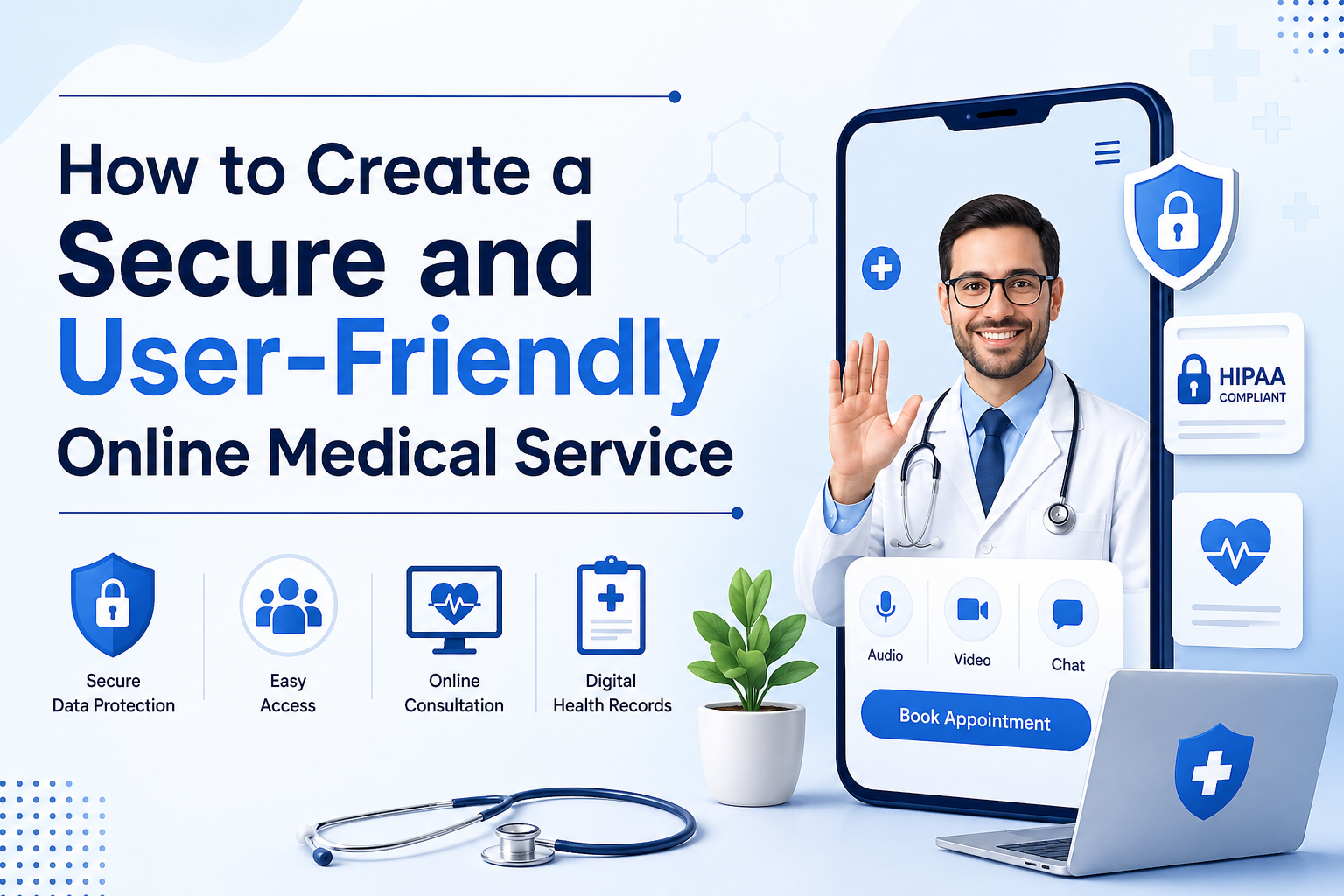
Building an online medical service requires more than a website and a booking form. Patients expect safety, privacy, and ease of use from the moment they land on your platform. A well-structured digital healthcare service can connect patients with professionals quickly while maintaining trust and compliance. This guide explains how to design a secure and user-friendly system that supports both patients and providers.
Understanding the Core of an Online Medical Service
Before setting up any system, you need clarity on how your service will function. Online medical platforms usually include appointment booking, virtual consultations, digital prescriptions, and patient records. Each feature must work smoothly together.
A successful platform balances technology with patient care. It should reduce waiting time, improve access, and maintain high-quality communication. Patients should not struggle to navigate the system or worry about data misuse.
The foundation of your service lies in trust. Without strong privacy measures and clear communication, even the best-designed platform can fail to retain users.
Security Measures That Protect Patient Data
Security is the backbone of any healthcare platform. Medical data is sensitive, and any breach can damage both patients and your reputation. If you plan to start online healthcare business, implementing strong security protocols from the beginning ensures long-term credibility and patient trust.
Key Security Practices to Follow
-
Data Encryption: Use end-to-end encryption for all communications and stored records to prevent unauthorized access.
-
Secure Authentication: Enable multi-factor authentication to ensure only verified users can access accounts.
-
Regular Audits: Conduct routine security checks to identify vulnerabilities and fix them quickly.
These measures reduce risks and show patients that their information is handled responsibly.
In addition to technical safeguards, staff training is essential. Everyone involved must understand how to handle patient data correctly. Even a small mistake can lead to major issues if protocols are not followed.
Building a User-Friendly Healthcare Platform
A medical platform should feel simple, even for users who are not tech-savvy. Patients often access healthcare services under stress, so your interface must be clear and easy to navigate.
Features That Improve User Experience
-
Simple Navigation: Use clear menus and logical steps so users can book appointments quickly.
-
Mobile Compatibility: Ensure the platform works smoothly on smartphones and tablets.
-
Fast Loading Speed: Reduce delays so patients can access services without frustration.
User experience directly impacts patient satisfaction. If people find your platform difficult, they are unlikely to return.
Design also plays a role in accessibility. Use readable fonts, clear buttons, and structured layouts. Avoid clutter and keep the interface focused on essential actions.
Legal Compliance and Ethical Standards
Healthcare services must follow strict legal guidelines. Depending on your region, you may need to comply with data protection laws and medical regulations. Ignoring these requirements can lead to penalties and loss of trust.
You should clearly display privacy policies, terms of service, and consent forms. Patients must know how their data is used and stored. Transparency builds confidence and reduces confusion.
It is also important to verify healthcare professionals on your platform. Only licensed practitioners should provide consultations. This ensures patient safety and maintains the credibility of your service.
Technology Stack and Integration
Choosing the right technology stack affects both performance and security. Your platform should support video consultations, secure messaging, and digital records without lag or downtime.
Cloud-based systems are often preferred because they allow scalability and remote access. However, they must be configured securely. Integration with payment gateways and pharmacy services can also enhance the platform’s value.
Automation can improve efficiency. Appointment reminders, follow-up notifications, and digital prescriptions save time for both patients and providers. These small additions make the service more reliable and convenient.
Planning Your Business Model
A clear business model helps you sustain and grow your platform. Whether you charge per consultation, offer subscriptions, or partner with clinics, your pricing strategy should match your target audience.
Focus on both affordability and value. Patients are more likely to use your service if they see clear benefits such as convenience, quick access, and reliable care. Balancing cost and quality is key to long-term success.
Marketing also plays a role. Use digital channels such as search engines and social media to reach potential users. Educational content can help build authority and attract patients who are looking for trusted healthcare solutions.
Building Trust with Patients
Trust is earned through consistent performance and clear communication. Patients need to feel confident that they are receiving proper care, even in a virtual setting.
Provide detailed doctor profiles, including qualifications and experience. This helps users make informed decisions. Transparent pricing and easy access to support services also improve trust.
Feedback systems are another useful tool. Allow patients to rate their experience and share reviews. Positive feedback strengthens your reputation, while constructive criticism helps you improve.
Continuous Improvement and Updates
An online medical service should not remain static. Technology and patient expectations change over time, so regular updates are necessary.
Monitor user behavior to identify areas for improvement. If patients face issues during booking or consultation, address them quickly. Updates should focus on improving speed, security, and usability.
You should also stay informed about new healthcare regulations and technological advancements. Adapting to changes keeps your platform relevant and competitive.
Conclusion
Creating a secure and user-friendly online medical service requires careful planning and execution. From data protection to interface design, every element plays a role in shaping patient experience. By focusing on security, simplicity, and trust, you can build a platform that meets modern healthcare needs while maintaining high standards of care.
Categories
Read More
Fashion in Spain keeps changing every season, but some styles stay popular for a long time. One of these trends is the stussy one piece. It is stylish, comfortable, and easy to wear for many occasions. People love it because it mixes streetwear fashion with simple daily comfort.The Stussy brand is known for its strong streetwear identity. It has been popular for years among fashion lovers. The...

國際同濟會台灣總會甄啟剛總會長,總會共同關係首席賴慧珠攜手國際同濟會澎嘉南區王品泫主席及所屬分會會長與幹部今(4)日代表財團法人台灣同濟兒童基金會捐贈新台幣10萬元、澎嘉南區暨所屬分會捐贈新台幣5萬元,作為嘉義市弱勢兒童與學童獎助學金。嘉義市政府於市府六樓第二會議室舉行捐贈儀式,黃敏惠市長代表市府頒發感謝狀並致贈伴手禮,感謝同濟會關懷學童教育,充分展現民間社團齊心守護弱勢家庭的社會力。 (圖源於:社會處/觀光新聞處)...

