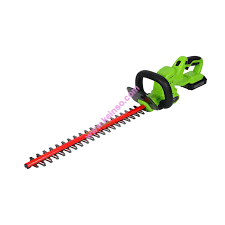
QINSO's Technical Insight: Brushless Motors' Rise in Cordless Gardening Tools Explained

The Quiet Revolution Inside Your Handheld Power Equipment
A gardener pulls a trigger on a cordless trimmer. Inside the housing, electricity flows through wires toward a motor. In one design, small carbon blocks press against a spinning copper cylinder. Physical contact creates friction. Sparks fly inside the enclosed space. Heat builds with each second of operation. In an alternate design, no physical contact occurs between moving and stationary parts. Electronic controllers switch currents across wire windings at precise moments. This second approach experiences no brush wear, generates less heat, and runs smoothly for years. The difference between these two motor types determines tool longevity, runtime, and user satisfaction. A set of Cordless Gardening Tools from manufacturers like keinso increasingly feature brushless technology in their premium lines. Why has this nearly frictionless design displaced traditional brushed motors across the gardening equipment industry?
The fundamental limitation of brushed motors involves carbon brushes. These small graphite blocks ride against a spinning commutator, transferring electricity to the rotating armature. Each rotation rubs the brushes slightly thinner. A typical brushed motor contains brushes designed for several hundred hours of operation. After that period, the brushes wear down to stubs, requiring replacement or disposal of the entire tool. Brushless motors eliminate this wearing part entirely. Copper windings sit stationary around the outside of the motor. Permanent magnets attach to the rotating shaft. Electronics manage the current flow without any sliding contact. This simple geometry change removes the most common failure point in power tools. A brushless motor can operate for thousands of hours without internal degradation, often outlasting the tool's battery system or plastic housing.
Efficiency differences between the two technologies appear immediately on a runtime test. Brushed motors lose energy through brush friction and electrical resistance at the brush-commutator interface. This lost energy converts to heat, warming the motor housing. A typical brushed motor operates at roughly seventy percent efficiency. Thirty percent of battery charge goes toward producing heat rather than cutting grass. Brushless motors regularly achieve ninety percent efficiency or higher. Electronic commutation precisely times current application, minimizing electrical losses. The absence of friction removes another energy drain. A battery powering a brushless trimmer runs longer on a single charge compared to an identical battery running a brushed trimmer. Users complete larger yards or more trimming tasks before needing to recharge.
Heat management affects both performance and safety. Brushed motors generate substantial heat during extended cutting sessions. This heat transfers to the motor housing, then to the user's hand through the tool body. Hot tools cause operator fatigue and discomfort. Excessive heat also degrades lithium-ion batteries faster when they remain inside the tool during use. Brushless motors run noticeably cooler because they waste less energy as heat. The electronic controller can also reduce current during light loads, further lowering temperatures. Users operating brushless tools experience less hand fatigue and battery stress. Commercial landscapers working eight-hour shifts notice this difference daily. A cooler tool stays comfortable to hold and maintains consistent power output throughout the work period.
Torque characteristics favor brushless designs across varying loads. A brushed motor's torque output changes with speed in a nonlinear way. Under heavy load, a brushed motor slows down significantly, losing both speed and torque. Brushless motors deliver full torque across a wide speed range. Electronic control maintains consistent rotational force regardless of cutting resistance. A brushless trimmer cuts through thick weeds without slowing. A brushless chainsaw pulls through dense branches at steady speed. This consistent power delivery translates into cleaner cuts and reduced user effort. Gardeners apply less physical force because the tool maintains its cutting aggression automatically.
Noise reduction provides another clear advantage. Brushed motors produce whining sounds from brush friction and sparking. The commutator creates physical vibration as brushes bounce across copper segments. Brushless motors run with near-silent electrical commutation. The only sounds come from the tool's mechanical components—gears, fans, and cutting attachments. A brushless leaf blower produces lower operating noise at equivalent airflow. Residential neighborhoods tolerate brushless tools during early morning hours where brushed tools might trigger noise complaints. This acoustic benefit grows increasingly valuable as outdoor work faces stricter noise regulations in urban areas.
Maintenance requirements differ dramatically between the two types. Brushed motors eventually need brush replacement. Accessing the brush compartment requires removing housing screws, locating the brush holders, extracting worn brushes, and installing new ones. Users who neglect this maintenance continue operating with worn brushes, risking commutator damage that destroys the entire motor. Brushless motors require no internal maintenance. No consumable parts exist inside the motor. Users simply charge batteries and clean external surfaces. This reliability makes brushless tools attractive for homeowners who lack repair skills and for businesses that cannot afford downtime for motor servicing.
Electronic control enables smart features unavailable in brushed designs. Brushless motors communicate with battery management systems through digital interfaces. A brushless trimmer can automatically reduce power when the battery approaches empty, preventing deep discharge that damages lithium cells. The same electronics track motor temperature and adjust current flow to prevent overheating. Some brushless tools offer selectable speed modes through the same trigger switch. A user presses lightly for low-speed trimming around flower beds and squeezes fully for high-speed weed cutting. These performance gradients happen smoothly without mechanical complexity. Brushed motors lack this precise electronic controllability because their mechanical commutation cannot respond instantly to changing signals.
Manufacturing consistency favors brushless adoption. Brushed motors rely on physical brush seating against the commutator. Minor variations in brush spring tension or commutator surface finish change motor performance. Two brushed motors from the same production line can exhibit noticeable runtime differences. Brushless motors use electronic circuits programmed with identical timing maps. Every unit receives the same software instructions. Performance consistency between tools approaches perfect matching. Large landscaping companies ordering multiple units receive tools with identical runtime and power characteristics. This predictability simplifies fleet management and operator training.
Returning to the original question about brushless motors becoming standard: the technology delivers measurable advantages in efficiency, heat generation, torque consistency, noise output, maintenance needs, smart features, and manufacturing uniformity. Brushed motors remain cheaper to produce, which explains their continued presence in entry-level tools. However, any premium Cordless Gardening Tools line now specifies brushless motors as the expected configuration. https://www.keinso.com/ presents a full range of brushless-powered equipment including trimmers, blowers, chainsaws, and hedge cutters. Their engineering team selected brushless platforms for the extended lifespan and consistent field performance these motors provide. For a homeowner buying one tool to last many seasons, or a contractor relying on equipment for daily income, the motor choice directly impacts satisfaction. Given that brushless systems run cooler, last longer, and deliver steadier power without internal wearing parts, does selecting a brushed motor ever represent a wise long-term investment?