A Complete Guide to Moving to Nebraska
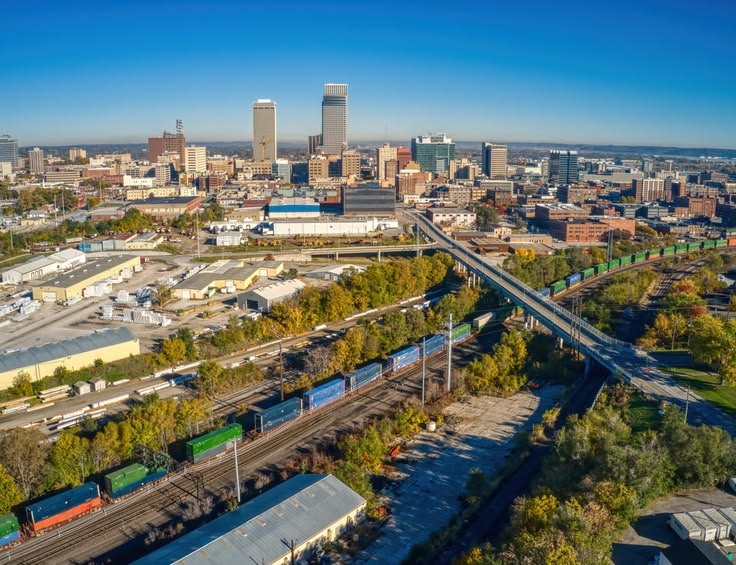
Relocating to a new state can feel exciting, but it also raises many questions about lifestyle, cost, and opportunities. Nebraska has quietly become a popular destination for people looking for affordable living, strong communities, and stable career options. For someone thinking about starting a new chapter in the Midwest, Nebraska offers a balance of opportunity and simplicity.
Why Nebraska Is Becoming a Popular Relocation Destination
Over the past decade, Nebraska has attracted thousands of new residents because of its affordability, strong economy, and welcoming communities. According to data from the U.S. Census Bureau, the state has a population of nearly 1.97 million residents, yet it still maintains a comfortable level of open space and manageable urban growth.
One of the biggest advantages of Nebraska is its affordability. The overall cost of living is about 10–12% lower than the national average, which makes it appealing for families, remote workers, and professionals relocating from expensive states like California or New York. Housing costs are especially attractive, with the median home price around $250,000, significantly lower than the U.S. median price of more than $420,000.
For people exploring relocation options, directories like My Moving Journey can be extremely helpful. As a moving directory, it connects individuals with reliable relocation services, moving tips, and planning resources that simplify the process of settling into a new state.
Economic Growth and Job Opportunities
Nebraska has one of the strongest job markets in the United States. The state regularly reports unemployment rates between 2% and 3%, which is well below the national average. This stability makes Nebraska attractive to professionals looking for consistent career growth.
Key industries driving Nebraska’s economy include:
- Agriculture and food processing
- Healthcare and medical services
- Finance and insurance
- Manufacturing and logistics
- Technology and data services
Cities such as Omaha and Lincoln have developed strong corporate environments with companies operating in finance, healthcare innovation, and tech startups. These opportunities allow professionals to grow their careers while still enjoying a lower cost of living.
Salary Potential and Career Stability
Many professionals are surprised to learn that Nebraska offers competitive salaries while maintaining lower living expenses. According to data published by the U.S. Bureau of Labor Statistics, the average annual wage in Nebraska is approximately $56,000, with higher earnings in finance, healthcare, and engineering fields.
Because everyday costs such as housing, transportation, and groceries are lower than the national average, many residents find that their income stretches much further compared to major coastal cities.
Cost of Living and Housing Affordability
Affordability is one of the biggest reasons people decide to move to Nebraska. The state consistently ranks among the top 15 most affordable states in the U.S. for housing, utilities, and general living expenses.
The housing market is particularly appealing for first-time homebuyers and families looking to upgrade their lifestyle without taking on overwhelming mortgage payments.
Housing Market Overview
Homebuyers will find a wide range of affordable housing options throughout Nebraska. Major cities offer urban apartments, suburban neighborhoods, and spacious homes with large yards.
Typical housing costs include:
- Median home price: around $250,000
- Average monthly rent for a one-bedroom apartment: $900 – $1,200
- Average property taxes: about 1.6% of home value annually
Compared to the national housing market, Nebraska remains significantly more accessible for buyers entering the real estate market.
Utility and Transportation Costs
Living expenses in Nebraska remain manageable across most categories. Monthly utilities typically average $150–$200, depending on the season and home size. Transportation costs are also reasonable because traffic congestion is far less intense than in larger metropolitan areas.
According to the Energy Information Administration, energy costs in Nebraska are often lower than the national average, helping residents maintain predictable monthly budgets.
Lifestyle, Community, and Quality of Life
Nebraska is widely known for its friendly communities and relaxed pace of life. People moving from larger urban environments often notice that life here feels less stressful and more community-oriented.
Neighborhood events, farmers markets, and local festivals play a big role in everyday life. Residents often describe Nebraska communities as welcoming and supportive, which makes adjusting to a new environment much easier.
Outdoor Activities and Natural Attractions
Nebraska offers plenty of opportunities for outdoor recreation. The state has more than 76 state parks and recreation areas, making it ideal for people who enjoy nature and outdoor adventures.
Popular outdoor activities include:
- Hiking and camping in state parks
- Fishing and boating in lakes and rivers
- Wildlife watching across the Sandhills region
- Cycling along scenic trails
- Family picnics and community outdoor events
The Nebraska Sandhills, covering nearly 20,000 square miles, is one of the largest intact grassland ecosystems in North America and attracts nature enthusiasts throughout the year.
Education and Family Environment
Families moving to Nebraska often appreciate the strong focus on education and safety. The state reports a high school graduation rate of approximately 90%, which is higher than the national average.
Nebraska is also home to respected institutions such as the University of Nebraska, providing excellent higher education opportunities and contributing to the state’s growing research and innovation environment.
Choosing the Best City to Live In
Every region of Nebraska offers a slightly different lifestyle. Some cities provide vibrant urban experiences, while others focus on quiet community living.
Major Cities for Relocation
Some of the most popular places to live include:
- Omaha – The largest city with over 480,000 residents, offering job opportunities, restaurants, and entertainment.
- Lincoln – The state capital with about 290,000 residents, known for its college-town atmosphere and strong education system.
- Grand Island – A smaller city with affordable housing and agricultural industry connections.
- Kearney – A growing city popular with families and students.
Each location provides different career opportunities, housing prices, and lifestyle preferences.
Comparing Nebraska with Other Relocation Destinations
Some people researching relocation also compare Nebraska with other popular cities across the United States before making a final decision. For example, individuals interested in warmer climates sometimes explore guides like the Moving to Nebraska Guide to understand how lifestyle, housing costs, and job markets differ between destinations.
Comparing multiple relocation options helps individuals make more confident decisions about where they want to build their future.
Planning a Smooth and Successful Move
Relocating to Nebraska becomes much easier when people plan their move carefully. Proper preparation can prevent unnecessary stress and help new residents adjust quickly to their new surroundings.
Important Steps Before Moving
Before relocating, it helps to complete several important tasks:
- Research housing and neighborhoods
- Calculate relocation expenses and moving budgets
- Arrange employment or remote work opportunities
- Schedule moving services or transportation
- Prepare school enrollment if moving with children
These steps ensure a smoother transition and reduce common relocation challenges.
Final Moving Tips
Successful relocation often depends on preparation, research, and reliable resources. People who explore moving directories, housing resources, and relocation guides typically experience fewer complications during their transition.
Final Thoughts
Moving to Nebraska offers a unique opportunity to enjoy affordable living, career stability, and welcoming communities. With a strong job market, reasonable housing costs, and access to outdoor recreation, the state continues to attract individuals and families looking for a balanced lifestyle.
For people searching for a place where financial stability meets community-centered living, Nebraska stands out as one of the most practical relocation choices in the United States.
Categories
Read More
(圖/ 總統府) 蕭美琴副總統今(16)日下午出席「2025親子天下友善家庭職場獎頒獎典禮」時表示,面對少子化與人口結構快速變遷,推動友善家庭職場已不僅是勞動福利議題,更攸關企業留才、勞動力穩定與整體社會韌性。政府將持續透過制度與政策提供實質支持,並鼓勵企業發展多元育兒與家庭支持方案,與民間攜手打造更溫暖、永續的臺灣社會。 MGBOX (圖/ 總統府) 蕭副總統致詞指出,感謝所有獲獎企業長期投入推動友善家庭職場文化,也肯定主辦單位《親子天下》持續倡議相關議題,促進社會各界對家庭與職場平衡的重視。她指出,臺灣少子化問題已逐漸成為影響國家發展的重要課題,友善家庭職場除有助於提升生育誘因,也能協助企業留住關鍵人才,避免員工在家庭責任與職涯發展之間被迫取捨。...

(圖/ 桃園市政府) 桃園市政府7日舉行「新民立體停車場公辦都市更新案」簽約典禮,由市長張善政代表市府與聯上開發公司正式簽署合作契約,宣布位於桃園火車站周邊的老舊停車場與圖書館將原地重建,開啟桃園舊城再生重要里程碑。 張善政表示,原新民立體停車場結構老舊、不符現代安全與都市發展需求,此次都更案將結合鐵路地下化契機,導入都市設計、文創招商與交通建設,期望打造融合歷史文化與現代機能的全新城市地標,並活化周邊商圈。 (圖/ 桃園市政府) 本案預計興建三棟大樓,其中一棟由市府所有,規劃設置地上18層、地下5層建築,1至3樓為文創商業空間,4樓設有圖書館與長青學苑,5樓以上為商辦用途;其餘兩棟則由聯上開發與私人地主合作,打造地上24層的住宅大樓。整體開發投資總額達42億元,預計116年動工,120年完工。...
