Wall-Mounted Murphy Beds: The Ultimate Space Optimization Guide
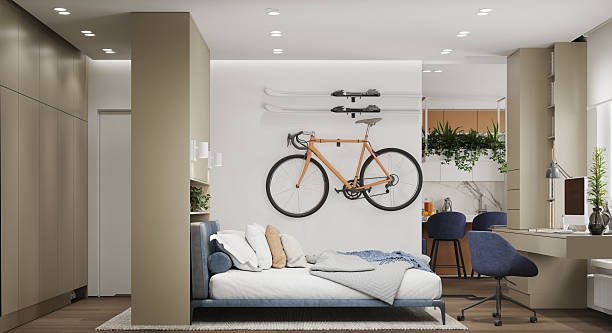
When Square Footage Becomes a Luxury
Modern living has redefined how we think about space. In bustling cities like New York City and London, every square foot carries value. Apartments are shrinking, rents are rising, and homeowners are becoming increasingly intentional about how their interiors function. A spare bedroom is no longer just a spare bedroom—it might also be a home office, a fitness zone, or a creative studio.
This is where wall-mounted Murphy beds step into the spotlight. More than a clever folding mechanism, they represent a philosophy of adaptable living. They allow a single room to serve multiple purposes without sacrificing comfort, style, or practicality. In this comprehensive guide, we’ll explore how wall-mounted Murphy beds work, why they’re growing in popularity, and how to choose the perfect one for your space.
The Evolution of a Brilliant Idea
The Murphy bed traces its origins to the early 20th century, credited to inventor William Lawrence Murphy. Legend has it that Murphy wanted to convert his one-room apartment into a more formal sitting area when guests arrived. His solution was ingenious: a bed that folded upright into the wall.
What began as a practical workaround has evolved into a refined piece of multifunctional furniture. Today’s wall-mounted Murphy beds are sleek, engineered with advanced hardware systems, and often integrated with shelving, desks, or storage cabinetry. They are no longer seen as a compromise—they are viewed as an intelligent design choice.
Why Wall-Mounted Murphy Beds Are Gaining Popularity
1. Maximizing Usable Floor Space
The primary benefit is obvious: space optimization. By folding vertically into the wall, a Murphy bed instantly transforms a bedroom into a flexible living area. In studio apartments or compact homes, this flexibility can double the practical utility of a room.
Imagine reclaiming 30 to 40 square feet every morning. That reclaimed space can accommodate a yoga mat, a workstation, or even a small dining setup. Instead of navigating around a permanent bed frame, the room breathes.
2. Seamless Multi-Functionality
Modern lifestyles demand adaptable interiors. With remote work becoming standard and side projects flourishing, rooms often need to shift roles throughout the day. A wall-mounted Murphy bed allows:
-
Guest room by night, office by day
-
Teen bedroom and study area
-
Vacation rental with convertible living space
-
Small condo with dynamic layout
This versatility is especially valuable in urban developments where space efficiency is a priority.
3. Aesthetic Integration
Early Murphy beds were utilitarian. Today, they’re architectural features. Many designs blend seamlessly into custom cabinetry, creating the illusion of a built-in bookshelf, wardrobe, or decorative panel. When closed, guests may not even realize a bed is hidden within the wall.
From minimalist white finishes to rich wood grains, manufacturers offer options that complement both contemporary and traditional interiors.
How Wall-Mounted Murphy Beds Actually Work
At the core of a Murphy bed is a counterbalanced lifting mechanism. This system—often spring-based or piston-driven—allows the bed to move smoothly between horizontal and vertical positions with minimal effort.
When installed correctly:
-
The bed frame anchors securely into wall studs.
-
The mattress remains strapped in place during folding.
-
The mechanism distributes weight evenly for safe operation.
Safety is paramount. Quality models include locking systems that prevent accidental opening and sturdy hardware designed for daily use. Professional installation is often recommended to ensure structural integrity.
Design Styles That Elevate Any Room
Contemporary and Minimalist
Clean lines, neutral tones, and hidden hardware define modern Murphy beds. These styles blend perfectly into apartments designed with simplicity in mind. When folded up, they resemble flat wall panels or streamlined cabinets.
Rustic and Farmhouse
Wood-textured finishes and shaker-style panels can transform a Murphy bed into a cozy, rustic statement. This works beautifully in country homes or cabins where warmth and character matter.
Built-In Library Systems
Some of the most stunning Murphy bed designs integrate full shelving systems. Imagine a wall lined with books that gently pivots open to reveal a comfortable sleeping area. It’s a design that merges practicality with visual intrigue.
Choosing the Right Wall-Mounted Murphy Bed
Selecting the ideal Murphy bed involves more than picking a style. It requires careful consideration of dimensions, structure, and intended use.
Measure with Precision
Start with ceiling height and wall width. Vertical Murphy beds require higher ceilings, while horizontal models suit rooms with lower clearance. Always measure twice and account for trim or molding.
Consider Mattress Compatibility
Not all mattresses are suitable for Murphy beds. Typically, foam or hybrid mattresses work best due to their flexibility and weight balance. Extremely thick or heavy mattresses may strain the mechanism.
Evaluate Weight Capacity
High-quality hardware systems are designed to support standard mattress weights. Ensure that the frame you select matches your mattress specifications.
Think About Storage Needs
Do you want integrated shelving? A fold-down desk? Additional cabinetry? Some designs combine a workstation that folds away when the bed is lowered—ideal for compact home offices.
Installation: DIY or Professional?
While many homeowners attempt DIY installation, professional assembly is often advisable. Since the unit must anchor securely into wall studs or masonry, structural accuracy is critical.
Improper installation can result in instability, uneven operation, or long-term wear issues. Professionals ensure:
-
Secure wall attachment
-
Proper weight distribution
-
Smooth lifting mechanism alignment
For renters, some freestanding Murphy beds provide flexibility without permanent wall modifications.
Maintenance and Longevity
Wall-mounted Murphy beds are built for durability. With proper care, they can last for decades.
Basic maintenance includes:
-
Periodic tightening of hardware
-
Checking lifting mechanisms for smooth movement
-
Cleaning tracks and hinges
-
Avoiding overloading the mattress area
Investing in quality hardware significantly impacts longevity. Cheap mechanisms may sag over time, while premium systems maintain consistent performance.
Ideal Spaces for Murphy Beds
Studio Apartments
In compact studios, a Murphy bed can separate living and sleeping functions without the need for physical walls. This is especially beneficial in dense urban housing markets.
Home Offices
Guest rooms often remain unused most of the year. Installing a Murphy bed transforms that idle space into a productive workspace that converts instantly when visitors arrive.
Vacation Rentals
For short-term rentals, maximizing sleeping capacity without crowding the space enhances profitability. A Murphy bed allows hosts to increase accommodation options while maintaining open common areas.
Tiny Homes
Tiny house enthusiasts prioritize efficiency. Murphy beds are a staple in this movement because they align perfectly with minimalist, multifunctional design principles.
Cost Considerations and Value
Wall-mounted Murphy beds range from budget-friendly kits to high-end custom installations. Pricing varies based on:
-
Materials (engineered wood vs. solid hardwood)
-
Integrated storage components
-
Mechanism quality
-
Customization level
Although the upfront investment may seem substantial, the value lies in reclaimed space and enhanced functionality. In markets where real estate costs are high, maximizing usable square footage often outweighs the furniture expense.
Sustainability and Smart Living
Space optimization is inherently sustainable. Instead of upgrading to a larger home, homeowners can adapt their existing layout. This reduces construction demand, material use, and environmental impact.
Moreover, many manufacturers now use eco-friendly materials and low-VOC finishes, aligning with environmentally conscious design trends.
The Psychological Impact of Flexible Space
An often-overlooked benefit of Murphy beds is mental clarity. Cluttered environments can increase stress and reduce productivity. By folding the bed away, the room visually expands, creating a sense of order and openness.
This shift from “bedroom mode” to “living mode” can positively influence daily routines. The act of folding the bed up each morning symbolically marks the transition from rest to activity.
Common Misconceptions Debunked
“Murphy beds are uncomfortable.”
Modern Murphy beds use standard mattresses, meaning comfort is comparable to traditional beds.
“They’re difficult to operate.”
High-quality piston systems allow smooth, one-handed operation.
“They’re outdated.”
Contemporary designs are sleek and architectural, far from the clunky versions of the past.
Future Trends in Wall-Mounted Murphy Beds
As smart homes evolve, Murphy beds are adapting. Some models now feature integrated lighting, USB charging ports, and modular add-ons. Design innovation continues to merge aesthetics with utility.
In densely populated urban centers and minimalist homes alike, the Murphy bed represents a forward-thinking solution that meets modern demands without sacrificing style.
Final Thoughts: Redefining Space Without Compromise
Wall-mounted Murphy beds are more than fold-away furniture—they are tools for intentional living. They empower homeowners to rethink how rooms function, unlocking hidden potential within limited square footage.
Whether you live in a compact apartment or simply value adaptable design, investing in a Murphy bed can dramatically transform your home’s usability. In a world where space is increasingly precious, the ability to reclaim and redefine it is invaluable.
Smart design isn’t about having more—it’s about making more of what you already have.
Categories
Read More
"Detailed Analysis of Executive Summary Middle East and Africa Radiology Services Market Size and Share CAGR Value The Middle East and Africa Radiology Services market size was valued at USD 543.5 Million in 2025 and is expected to reach USD 879.41 Million by 2033, at a CAGR of6.20% during the forecast period Middle East and Africa Radiology Services...

Global Lithium Niobate Electro-Optical Intensity Modulator Market size was valued at USD 313.7 million in 2025. The market is projected to grow from USD 339.6 million in 2026 to USD 537.8 million by 2034, exhibiting a CAGR of 8.2% during the forecast period (2026-2034). This upward trend aligns with escalating optical transmission demands in telecom infrastructure. Lithium niobate...

If you want to buy guest posting services, you’re probably looking for a quick, safe, and user-friendly way to get your website noticed. Our guest posting services are designed for people who want real results—unique content, published on real sites, with zero hassle. Everything is 100% plagiarism free and easy to use, so you can focus on growing your business.✅ We’re here to...

If you’re looking to buy a Facebook account with Marketplace, you’re in the right place. Whether you’re a small business owner, a marketer, or someone who wants to sell or buy items locally, having a Facebook account with Marketplace access can save you time and effort. At EverSMM, we provide verified, secure, and ready-to-use accounts that come with Marketplace access, so you...