Optimizing Baking with High-Quality Parchment Paper by Guanghe
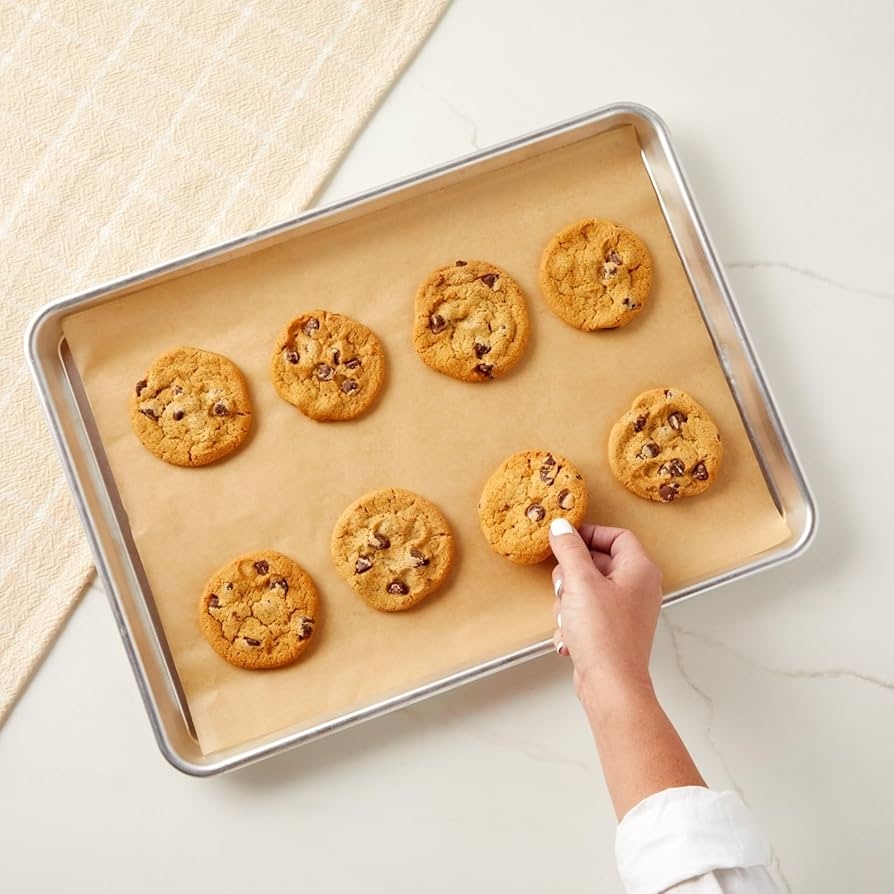
In commercial bakeries and home kitchens alike, the reliability of Parchment Paper plays a critical role in achieving consistent baking results while maintaining hygiene, efficiency, and product quality. As baking techniques evolve and food safety standards become increasingly rigorous, the material used between dough and metal surface is no longer a simple accessory but an engineered solution designed to support thermal stability, grease resistance, and operational convenience.
Material Structure and Fiber Processing
High-quality baking paper begins with carefully selected cellulose fibers. The purity and uniformity of the pulp directly influence tensile strength, flexibility, and surface smoothness. During production, fibers are refined to create a dense yet breathable sheet structure. This balance allows the paper to withstand mechanical stress—such as pulling, folding, or lining deep baking molds—without tearing.
Advanced calendering processes further enhance smoothness and thickness consistency. Even thickness ensures predictable heat transfer across the baking tray, helping avoid localized overheating or undercooking. Manufacturers such as Zhejiang Guanghe New Materials Co., Ltd. emphasize stable fiber distribution and controlled drying parameters to ensure the finished sheet maintains dimensional stability under high oven temperatures.
Silicone Coating Technology and Non-Stick Performance
One of the defining features of baking paper is its non-stick capability, achieved through a food-grade silicone coating. The coating process requires precise control over viscosity, application weight, and curing temperature. If the layer is too thin, release performance may weaken; if too thick, breathability and heat transfer efficiency can be reduced.
A well-balanced coating ensures that baked goods release cleanly without the need for additional oiling. This contributes to healthier cooking practices and reduces product waste. Proper curing also secures the silicone layer to the base paper, preventing flaking or transfer under heat exposure.
Thermal Resistance and Structural Integrity
Modern baking often involves temperatures ranging from 160°C to over 230°C, depending on the recipe. Baking paper must resist discoloration, brittleness, and deformation within this range. Heat resistance depends on fiber treatment, moisture control during production, and coating stability.
When exposed to high heat, high-quality sheets maintain flatness and do not curl excessively at the edges. This is especially important in convection ovens where airflow can shift lightweight materials. Stable structural integrity supports even browning, particularly for pastries, cookies, and laminated dough products that require uniform heat exposure.
Practical Usage Techniques in Professional Settings
Proper handling techniques significantly enhance baking efficiency. For example, lightly creasing the corners of a sheet before placing it into a rectangular tray allows it to sit flush against the sides, minimizing air pockets. In high-volume bakeries, pre-cut sheets improve workflow speed and reduce preparation time compared to manually tearing rolls.
For delicate recipes such as macarons or meringues, securing the sheet with a small amount of batter beneath each corner prevents movement during piping. When baking layered sponge cakes, trimming the sheet to precisely match pan dimensions ensures even edge formation and simplifies product removal.
Reusability depends on temperature exposure and recipe composition. Lower-fat recipes may allow limited reuse, while high-sugar or high-fat items typically require fresh sheets to maintain optimal non-stick performance.
Applications Beyond Traditional Baking
Although primarily associated with baking trays, baking paper has expanded into broader culinary applications. It is commonly used for roasting vegetables, wrapping fish for en papillote cooking, separating frozen food portions, and lining steam baskets. Its breathable yet grease-resistant properties allow controlled moisture retention while preventing sticking.
In confectionery production, it provides a clean surface for chocolate tempering, caramel cooling, and decorative sugar work. Food manufacturers also rely on it in automated production lines, where consistent sheet dimensions and tensile strength support continuous processing systems.
Hygiene and Food Safety Considerations
Food-contact materials must comply with relevant safety standards. Quality-focused producers implement strict testing for migration limits, cleanliness, and coating stability. Controlled manufacturing environments reduce contamination risk and ensure each batch meets food-grade requirements.
Zhejiang Guanghe New Materials Co., Ltd. integrates systematic quality inspections at multiple production stages, including pulp preparation, coating application, and final packaging. This structured approach helps maintain product consistency while aligning with international food safety expectations.
Environmental Responsibility in Production
Sustainability has become a central consideration in material manufacturing. Responsible fiber sourcing, efficient energy use, and waste minimization contribute to lower environmental impact. Optimizing water circulation systems and reducing production waste are part of ongoing operational improvements within advanced facilities.
Balancing performance and environmental awareness requires careful process management. Manufacturers continue refining fiber utilization efficiency and coating technologies to reduce material consumption without compromising durability or heat resistance.
For detailed product specifications, customization options, and technical information about baking paper solutions, additional resources are available at Zhejiang Guanghe New Materials Co., Ltd.’s official product page: https://www.guanghepaper.com/product .
Categories
Read More
If you’re here, chances are you’re looking to buy old Facebook accounts but want to make sure you’re making the right decision. Whether you’re a business owner, marketer, or someone who needs aged accounts for specific purposes, this guide will walk you through everything you need to know. At BestSMMExpert, we specialize in providing high-quality, secure, and reliable...

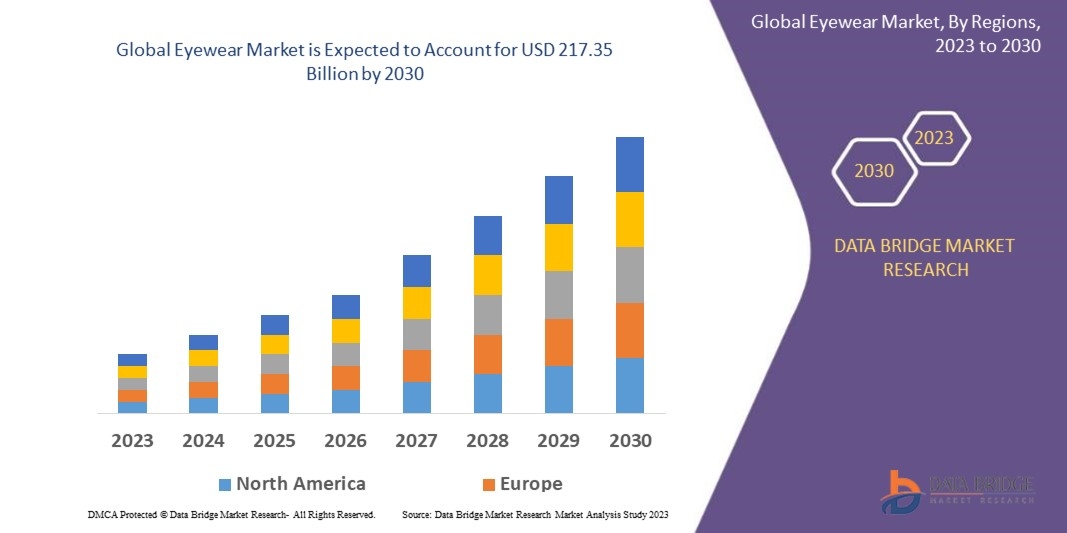
"Global Executive Summary Eyewear Market: Size, Share, and Forecast CAGR Value Data Bridge Market Research analyses that the eyewear market is expected to reach USD 217.35 billion by 2030, which is USD 121.50 billion in 2022, registering a CAGR of 7.54% during the forecast period of 2023 to 2030 This Eyewear Market research report contains specific segments by type and by application....
A new growth forecast report titled Digital Rights Management Market Size, Share, Trends, Industry Analysis Report By Enterprise Size (Large Enterprise, Small & Medium Enterprise), By Application, By Region – Market Forecast, 2025–2034 introduced by Polaris Market Research represents conclusive data on the overall market. It majorly targets to provide a detailed...

If you're looking to buy aged Facebook accounts, you're probably ready to take your social media marketing game to the next level. Whether you’re a business owner, a marketer, or simply someone looking to scale your online presence, aged Facebook accounts can be a game-changer. Why? Because these accounts offer trust, engagement, and a head start in the competitive world of social media...

Best Lab Grown Engagement Rings: A Smart, Modern Choice for Love | Adornet Jewels Introduction Choosing an engagement ring is a big moment. It’s not just about sparkle; it’s about meaning, values, and the story you want your ring to tell. Today, more couples are turning to lab grown engagement rings, and honestly, it makes a lot of sense. They look stunning, cost less, and...