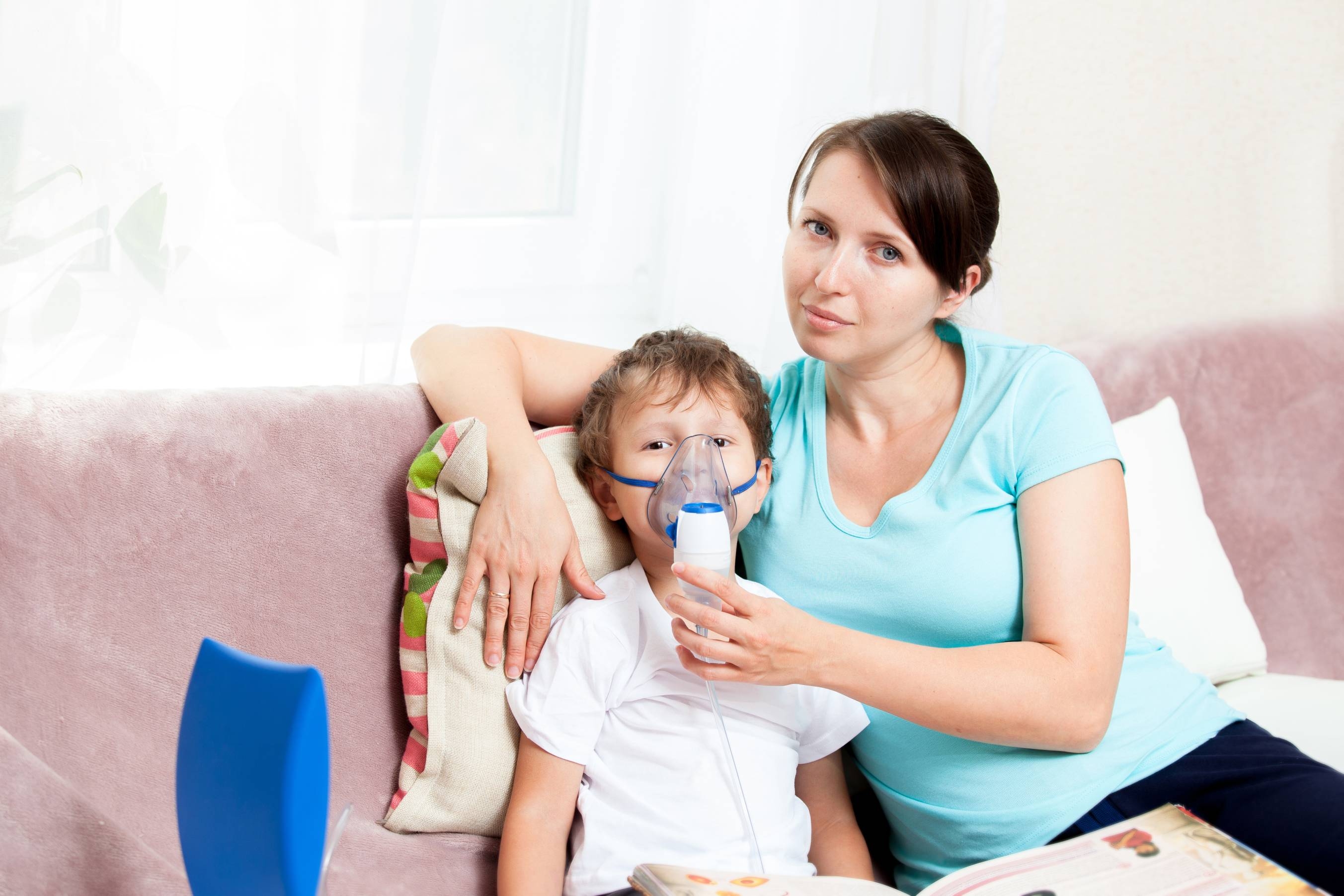

Understanding how often to use home oxygen therapy is essential for maximizing its benefits while maintaining safety and effectiveness. Oxygen therapy is commonly prescribed for individuals with chronic respiratory or cardiovascular conditions that result in low blood oxygen levels. However, the frequency and duration of use vary depending on medical needs, lifestyle, and oxygen saturation levels. Knowing the right schedule can help patients improve breathing, energy levels, sleep quality, and overall health without overuse or underuse.
Understanding Prescribed Oxygen Frequency:
The frequency of oxygen therapy depends largely on a physician’s evaluation of oxygen saturation levels and underlying conditions. Doctors typically determine usage based on:
-
Blood oxygen saturation (SpO2) readings
-
Arterial blood gas test results
-
Severity of respiratory or heart conditions
-
Presence of symptoms such as shortness of breath or fatigue
Some individuals may require oxygen continuously, while others may only need it during specific times such as sleep or physical activity.
Continuous Oxygen Therapy:
For patients with significantly low oxygen levels, continuous oxygen therapy may be recommended. This often involves using oxygen for 15 to 24 hours per day. Continuous therapy helps:
-
Maintain stable oxygen saturation levels
-
Reduce strain on the heart and lungs
-
Improve long-term survival rates in severe respiratory conditions
-
Enhance overall quality of life
Patients prescribed continuous therapy should strictly follow medical guidance to ensure consistent oxygen delivery.
Intermittent or As-Needed Use:
Not everyone requires round-the-clock oxygen. Some individuals benefit from intermittent use based on symptoms or activities. Situations where oxygen may be used as needed include:
-
During physical exertion or exercise
-
At high altitudes where oxygen levels are lower
-
During respiratory infections that temporarily reduce oxygen levels
-
When experiencing increased shortness of breath
Monitoring symptoms and oxygen saturation can help determine when intermittent use is appropriate.
Nocturnal Oxygen Therapy:
Many patients experience drops in oxygen levels during sleep, even if daytime levels remain stable. Nocturnal oxygen therapy focuses on nighttime use and may be recommended for individuals who:
-
Have sleep apnea or other sleep-related breathing disorders
-
Experience restless sleep due to low oxygen levels
-
Wake up feeling fatigued or with headaches
-
Show oxygen desaturation during overnight monitoring
Using oxygen at night can improve sleep quality, energy levels, and cognitive function during the day.
Oxygen Use During Physical Activity:
Physical exertion increases the body’s demand for oxygen, which may lead to shortness of breath in certain individuals. Using home oxygen therapy during activity can:
-
Improve exercise tolerance
-
Reduce breathlessness
-
Support muscle recovery
-
Increase stamina for daily tasks
Healthcare providers may recommend portable oxygen concentrators for individuals who remain active but require supplemental oxygen during exertion.
Monitoring Oxygen Levels to Guide Frequency:
Regular monitoring plays a crucial role in determining how often oxygen therapy should be used. Patients are often advised to:
-
Use a pulse oximeter to check oxygen saturation
-
Record readings before, during, and after activity
-
Note symptoms such as dizziness or fatigue
-
Share data with healthcare providers during follow-ups
Consistent monitoring ensures that oxygen use aligns with medical needs and helps prevent unnecessary adjustments.
Risks of Overusing or Underusing Oxygen:
Using oxygen too frequently or not enough can both present risks. Overuse may cause complications such as oxygen toxicity in rare cases, while underuse can result in persistent hypoxia. Important considerations include:
-
Avoid adjusting flow rates without medical approval
-
Follow prescribed durations carefully
-
Report persistent symptoms to a healthcare provider
-
Attend regular check-ups to reassess oxygen requirements
Balancing correct usage ensures therapy remains safe and beneficial.
Factors That Influence Oxygen Needs:
Several factors can affect how often oxygen therapy is required. These include:
-
Severity and progression of chronic conditions
-
Age and overall health status
-
Activity level and lifestyle
-
Environmental factors such as altitude or air quality
Changes in any of these factors may require reevaluation of oxygen frequency and dosage.
Creating a Personalized Oxygen Schedule:
Developing a consistent and manageable routine helps ensure adherence to therapy. A personalized schedule may involve:
-
Setting reminders for scheduled oxygen sessions
-
Aligning therapy with daily routines, such as meals or rest periods
-
Keeping equipment accessible and properly maintained
-
Coordinating with caregivers or family members if assistance is needed
A structured plan promotes consistent use and helps patients feel more confident managing their therapy.
Final Thoughts:
Determining how often to use home oxygen therapy depends on individual medical needs, oxygen saturation levels, and lifestyle factors. Some patients require continuous oxygen support, while others benefit from nighttime or activity-based use. Regular monitoring, adherence to prescribed flow rates, and open communication with healthcare providers are essential for achieving optimal results. By following a personalized schedule and adjusting therapy under medical supervision, individuals can safely improve breathing, energy levels, and overall quality of life.