Floating Wind Turbines: Pioneering the Future of Offshore Renewable Energy

Floating wind turbines are transforming the landscape of renewable energy by enabling the harnessing of offshore wind resources in deeper waters, where traditional fixed-bottom turbines are not feasible. As the demand for clean energy continues to rise, floating wind technology presents a promising solution to meet global energy needs while minimizing environmental impacts. The Floating wind turbines market is gaining momentum, driven by advancements in technology, increasing investments, and supportive government policies aimed at reducing carbon emissions.
The concept of floating wind turbines involves the installation of wind turbines on floating platforms that are anchored to the seabed. This innovative design allows for the deployment of turbines in deeper waters, where wind speeds are typically higher and more consistent, resulting in increased energy generation potential. Floating wind farms can be located farther from shore, reducing visual and noise impacts on coastal communities while also minimizing conflicts with shipping lanes and fishing areas.
One of the primary advantages of floating wind turbines is their ability to access high-quality wind resources that are often located in deeper waters. Traditional fixed-bottom turbines are limited to shallow waters, typically up to 60 meters deep. In contrast, floating turbines can be deployed in waters exceeding 60 meters, opening up vast areas for wind energy development. This capability is particularly important as countries seek to maximize their renewable energy generation and reduce reliance on fossil fuels.
Technological advancements have played a significant role in the development of floating wind turbines. Innovations in materials, design, and engineering have led to the creation of robust floating platforms that can withstand harsh marine conditions. These platforms are designed to be stable and resilient, allowing for the installation of large turbines that can generate substantial amounts of electricity. Additionally, advancements in mooring systems and anchoring technologies have improved the feasibility and reliability of floating wind farms.
Government policies and incentives are also driving the growth of the floating wind turbine market. Many countries are setting ambitious renewable energy targets and are investing in offshore wind projects to meet these goals. For instance, nations like Norway, the United Kingdom, and Japan are actively exploring floating wind technology as part of their energy transition strategies. Financial support, such as subsidies and feed-in tariffs, is encouraging developers to invest in floating wind projects, fostering a favorable environment for growth.
The floating wind turbine market is expected to witness significant growth in the coming years. According to industry reports, the global floating wind market is projected to expand rapidly, driven by increasing investments and technological advancements. As more countries recognize the potential of floating wind technology, the market is likely to attract new players and investments, further accelerating its growth.
Despite the promising outlook, the floating wind turbine industry faces several challenges that need to be addressed. One of the primary obstacles is the high capital cost associated with the development of floating wind farms. The construction and installation of floating turbines require substantial upfront investments, which can deter potential investors. However, as technology continues to advance and economies of scale are realized, the costs associated with floating wind projects are expected to decrease.
Another challenge is the need for a robust supply chain and skilled workforce. The floating wind industry requires specialized expertise in areas such as engineering, marine operations, and project management. Developing a skilled workforce and establishing a reliable supply chain will be essential for the successful deployment of floating wind projects. Educational institutions and industry stakeholders must collaborate to create training programs that equip workers with the necessary skills to support the growing floating wind sector.
Environmental considerations also play a crucial role in the development of floating wind farms. While floating turbines are designed to minimize impacts on marine ecosystems, thorough environmental assessments are necessary to ensure that projects do not disrupt local wildlife or habitats. Engaging with local communities and stakeholders is vital for addressing concerns and gaining public acceptance for floating wind projects.
Looking ahead, the future of floating wind turbines appears bright. As the world increasingly shifts toward renewable energy sources, floating wind technology will play a pivotal role in achieving global climate goals. The ability to harness wind resources in deeper waters presents an opportunity to significantly increase renewable energy generation capacity, contributing to a more sustainable energy future.
Moreover, floating wind turbines can complement other renewable energy sources, such as solar and traditional wind farms. By diversifying energy generation methods, countries can enhance their energy security and resilience while reducing greenhouse gas emissions. The integration of floating wind technology into existing energy systems will be essential for creating a balanced and sustainable energy portfolio.
In conclusion, floating wind turbines represent a groundbreaking advancement in offshore renewable energy. By enabling the harnessing of high-quality wind resources in deeper waters, these turbines are poised to revolutionize the energy landscape. With technological advancements, supportive government policies, and increasing investments, the floating wind turbine market is set for significant growth in the coming years. While challenges remain, addressing cost, workforce development, and environmental considerations will be crucial for unlocking the full potential of floating wind technology in the transition to a sustainable energy future.
FAQs
-
What are floating wind turbines? Floating wind turbines are wind energy systems installed on floating platforms anchored to the seabed, allowing for deployment in deeper waters.
-
What are the advantages of floating wind technology? Floating wind technology can access higher-quality wind resources in deeper waters, reduce visual impacts, and minimize conflicts with coastal activities.
-
What challenges does the floating wind turbine market face? Challenges include high capital costs, the need for a skilled workforce, and environmental considerations related to marine ecosystems.
More Trending Reports on Energy & Power by Market Research Future
France Distributed Energy Resource Management Market Analysis
Mexico Distributed Energy Resource Management Market Analysis
Russia Distributed Energy Resource Management Market Analysis
Categories
Read More
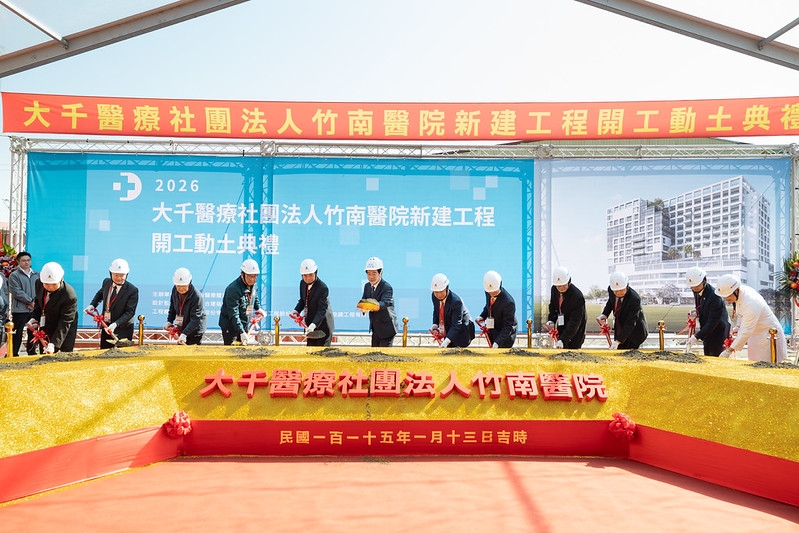
(圖/ 總統府) 總統賴清德今(13)日上午出席「大千醫療社團法人竹南醫院新建工程動土典禮」,感謝民間與公部門合作,促成苗栗重要醫療建設順利啟動,並期許竹南醫院未來能成為守護地方居民健康的重要堡壘。賴總統指出,中央將持續推動苗栗醫療、交通與水利等重大建設,配合地方發展產業,期望苗栗整體生活環境與產業發展能持續提升。 (圖/ 總統府) 總統在致詞中提及,竹南醫院開工象徵地方醫療的重要里程碑,他感謝大千醫療社團法人徐千剛總裁及團隊長期回鄉服務,從基層醫療到急重症醫療及社福照護,建立完整醫療體系。未來竹南醫院完工後,不僅增加醫療量能,急重症患者可就近就醫,還將兼顧小兒照顧及長照服務,功能相當於準醫療中心,對苗栗鄉親具有重大意義。 (圖/ 總統府)...
guests are the main thing for a company to make Amounted. Every business wants to reach out to as numerous implicit consumers as possible. currently, online media plays a critical function in gaining sapience into client enterprises.Buy Old Gmail Accounts ⭐⭐⭐⭐⭐⭐⭐⭐⭐⭐ ➤if you want more information just contact me now. 24-hour reply/contact⇒email:pvatopone@gmail.com⇒whatsapp...

If you’re looking to buy Facebook accounts, you’re in the right place. Whether you’re a marketer, a small business owner, or someone who needs reliable accounts for advertising or Marketplace access, buying Facebook accounts can save you time and effort. At EverSMM, we provide verified, secure, and ready-to-use accounts tailored to your needs. This guide will help you...