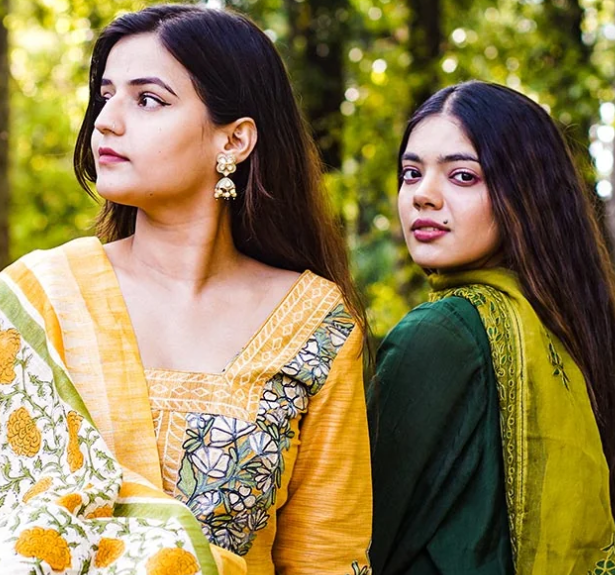
The Kashmiri salwar kameez is a beautiful reflection of the rich cultural heritage of Kashmir. Known for its intricate embroidery, luxurious fabrics, and vibrant colors, this traditional outfit represents grace and sophistication. Worn by women for generations, it continues to remain popular not only in Kashmir but across India and beyond. Whether for festive occasions, weddings, or cultural gatherings, the Kashmiri salwar kameez offers a unique charm that sets it apart from other ethnic outfits.
The Cultural Heritage of Kashmiri Attire
Kashmir, often called “Paradise on Earth,” is not only famous for its scenic beauty but also for its exquisite handicrafts and textiles. The traditional clothing of the region reflects centuries-old artistry and craftsmanship. The Kashmiri salwar kameez showcases delicate hand embroidery techniques such as Kashida, which features floral motifs, paisleys, and nature-inspired patterns. These designs are often influenced by the region’s landscapes, including chinar leaves, blooming flowers, and flowing rivers.
The embroidery work is usually done using fine silk or wool threads, adding richness and depth to the garment. This attention to detail makes each piece special and distinctive.
Fabrics Used in Kashmiri Salwar Kameez
One of the most remarkable features of a Kashmiri salwar kameez is the use of high-quality fabrics. Depending on the season and occasion, different materials are chosen to enhance comfort and style.
-
Pashmina and Wool: Ideal for winter, these fabrics provide warmth while maintaining elegance.
-
Silk: Often selected for weddings and festive celebrations due to its luxurious texture.
-
Cotton and Georgette: Suitable for daily wear or summer occasions, offering comfort and breathability.
The combination of fine fabrics and detailed embroidery gives the Kashmiri salwar kameez its distinctive appeal.
Unique Design Elements
The traditional Kashmiri salwar kameez typically includes a long kurta paired with a salwar and a matching dupatta. The kurta often features elaborate embroidery on the neckline, sleeves, and hemline. In many designs, the dupatta also carries subtle threadwork or border detailing that complements the outfit.
Soft pastel shades such as cream, beige, and light blue are commonly used, though vibrant colors like deep red, emerald green, and royal blue are also popular for special occasions. The overall look is elegant yet understated, reflecting the refined aesthetic of Kashmiri culture.
Modern Trends in Kashmiri Salwar Kameez
While traditional styles remain popular, modern designers have introduced contemporary variations of the Kashmiri salwar kameez. Today, you can find straight-cut suits, palazzo-style bottoms, and even fusion wear inspired by Kashmiri embroidery. These modern adaptations allow younger generations to embrace tradition while staying fashionable.
Machine embroidery options are also available for those seeking affordability, though handcrafted pieces remain highly valued for their authenticity and artistry.
Why Choose a Kashmiri Salwar Kameez?
There are many reasons why women continue to love the Kashmiri salwar kameez:
-
Timeless Elegance: Its classic design never goes out of style.
-
Versatility: Suitable for weddings, festivals, family functions, and even formal gatherings.
-
Comfort: High-quality fabrics ensure ease of wear.
-
Cultural Significance: Wearing it reflects appreciation for traditional craftsmanship.
Styling Tips
To enhance the beauty of a Kashmiri salwar kameez, pair it with traditional jewelry such as jhumkas or delicate bangles. Simple footwear like embroidered juttis or sandals complements the look perfectly. Keeping makeup minimal allows the intricate embroidery to stand out.
Conclusion
The Kashmiri salwar kameez is more than just an outfit—it is a symbol of heritage, craftsmanship, and timeless beauty. Its intricate embroidery, luxurious fabrics, and graceful designs make it a cherished addition to any wardrobe. Whether chosen for a festive celebration or a special occasion, this traditional attire continues to captivate women who appreciate elegance blended with cultural richness.



 Chinese (Traditional)
 Chinese (Simplify)