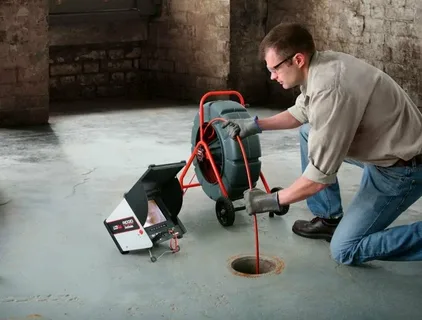
When it comes to diagnosing underground drainage and pipeline issues, a sewer camera has become one of the most essential tools for modern plumbing and civil infrastructure professionals. Instead of relying on guesswork or disruptive excavation, technicians can now inspect pipes internally with precision and clarity. This advanced technology allows accurate detection of blockages, cracks, corrosion, and structural damage while saving both time and money.
What Is a Sewer Camera?
A sewer camera, also known as a CCTV pipe inspection system, is a specialized device designed to travel through underground pipelines and drains. It consists of a high-resolution camera head mounted on a flexible pushrod or motorized crawler system. As the camera moves through the pipe, it transmits real-time video footage to a monitor above ground.
This live feed provides a detailed view of internal pipe conditions. Whether it’s grease buildup in residential drains or structural defects in large municipal systems, sewer cameras make it possible to identify problems quickly and accurately without digging trenches.
Key Components of a Sewer Camera System
Modern sewer camera systems are engineered with several essential components that work together seamlessly:
1. Camera Head
The camera head is waterproof, durable, and equipped with bright LED lighting to illuminate dark pipe interiors. Many advanced models are self-leveling, ensuring the image remains upright for easier viewing.
2. Pushrod or Crawler Mechanism
For smaller residential pipes, a flexible pushrod allows manual feeding of the camera into the drain. For larger industrial or municipal pipelines, motorized crawler systems provide better navigation through long distances and complex pipe layouts.
3. Control Unit and Monitor
The control unit displays real-time video and allows operators to adjust settings such as brightness, zoom, and recording functions. High-definition monitors ensure clear visibility of even minor defects.
4. Recording and Reporting Features
Most professional systems include digital recording capabilities. This allows technicians to save footage, capture images, and generate inspection reports for clients, insurance companies, or project documentation.
Benefits of Using Sewer Cameras
The adoption of sewer camera technology has transformed how inspections are performed. Here are some of the major benefits:
Non-Destructive Inspection
Traditional pipe inspection methods often required excavation to locate problems. Sewer cameras eliminate unnecessary digging, preserving landscapes, driveways, and infrastructure.
Accurate Diagnosis
With real-time visuals, technicians can pinpoint the exact location and nature of an issue—whether it’s tree root intrusion, pipe misalignment, cracks, or blockages.
Time Efficiency
Inspections can be completed much faster compared to exploratory digging. This improves productivity and reduces labor costs.
Cost Savings
By accurately identifying the problem area, professionals avoid unnecessary repairs and minimize disruption, leading to overall cost reductions.
Professional Documentation
Recorded footage provides clear evidence of pipe conditions. This is valuable for maintenance planning, property transactions, and insurance assessments.
Applications of Sewer Camera Inspections
Sewer cameras are widely used across various sectors:
Residential Plumbing
Homeowners benefit from quick identification of clogged drains, damaged sewer lines, or recurring blockages.
Commercial Properties
Restaurants, office buildings, and shopping centers rely on regular inspections to maintain functional drainage systems.
Municipal Infrastructure
Local councils and water authorities use advanced crawler systems to inspect large sewer networks and stormwater systems.
Pre-Purchase Property Inspections
Buyers often request sewer inspections before purchasing a property to avoid unexpected repair costs.
Choosing the Right Sewer Camera System
Selecting the right system depends on several important factors:
Pipe Size and Length
Ensure the camera diameter and cable length are suitable for the pipelines you intend to inspect.
Image Quality
High-definition cameras provide clearer visuals, making it easier to identify minor defects.
Durability and Build Quality
Rugged construction is essential for withstanding harsh underground environments.
Ease of Use
User-friendly controls and portable designs improve efficiency in the field.
Reporting Capabilities
Integrated software that allows annotation and report generation adds significant professional value.
Investing in the right equipment ensures accurate inspections and long-term reliability.