From Prototype to Production: The Role of Electronic Contract Manufacturing Services
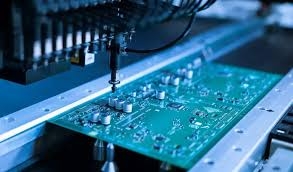
Bringing an electronic product to market is a complex journey. From initial concept and prototyping to full-scale manufacturing and distribution, each stage requires technical expertise, quality control, and supply chain coordination. This is where electronic contract manufacturing services play a crucial role.
For startups, OEMs, and established brands alike, electronic contract manufacturing services provide the infrastructure, engineering support, and production capabilities needed to move efficiently from prototype to production — without the overhead of in-house manufacturing.
What Are Electronic Contract Manufacturing Services?
Electronic contract manufacturing services (ECMS) involve outsourcing the design support, assembly, testing, and production of electronic components and finished products to a specialised third-party manufacturer.
These services typically include:
-
PCB assembly (PCBA)
-
Surface mount technology (SMT)
-
Through-hole assembly
-
Cable and harness assembly
-
Box build assembly
-
Functional testing and inspection
-
Supply chain management
-
Prototyping and design for manufacturability (DFM)
By partnering with providers of electronic contract manufacturing services, companies gain access to advanced equipment, experienced engineers, and streamlined production processes.
Stage 1: Concept and Prototype Development
The first step in any product lifecycle is transforming an idea into a functional prototype. During this stage, electronic contract manufacturing services support businesses with:
Design for Manufacturability (DFM)
Before mass production begins, designs must be reviewed to ensure they can be efficiently manufactured. Experienced contract manufacturers identify potential issues such as:
-
Component placement challenges
-
Thermal management concerns
-
Soldering complexities
-
Material compatibility issues
Early involvement of electronic contract manufacturing services reduces costly redesigns later in the process.
Rapid Prototyping
Contract manufacturers can quickly produce small prototype batches for testing and validation. This allows businesses to:
-
Evaluate functionality
-
Identify design flaws
-
Conduct performance testing
-
Prepare for regulatory compliance
Fast prototyping shortens time-to-market and enables faster iteration.
Stage 2: Engineering Validation and Testing
After initial prototypes are developed, thorough testing ensures the product performs reliably under real-world conditions.
Electronic contract manufacturing services provide:
-
Automated optical inspection (AOI)
-
X-ray inspection for solder joints
-
Functional testing
-
Environmental stress testing
-
Burn-in testing
These validation steps ensure product durability, safety, and compliance with industry standards.
Stage 3: Pre-Production Planning
Once a prototype is validated, attention turns to scaling production efficiently. This stage involves:
Supply Chain Management
Electronic contract manufacturing services leverage established supplier networks to source components at competitive prices while maintaining quality standards.
They manage:
-
Component procurement
-
Inventory control
-
Obsolescence management
-
Supplier risk mitigation
This reduces the risk of delays caused by component shortages or supply chain disruptions.
Production Planning
Contract manufacturers determine:
-
Batch sizes
-
Assembly line configuration
-
Lead times
-
Quality checkpoints
Proper planning ensures smooth transition into mass production.
Stage 4: Full-Scale Production
When a product is ready for launch, electronic contract manufacturing services shift into high-volume production mode.
Advanced Manufacturing Capabilities
Modern contract manufacturers utilise:
-
Automated SMT lines
-
Robotic assembly systems
-
Precision soldering technologies
-
Inline quality control systems
Automation improves consistency, reduces human error, and ensures scalable output.
Quality Assurance
Quality remains critical at scale. Electronic contract manufacturing services maintain strict quality management systems, often aligned with ISO certifications.
Quality processes include:
-
In-process inspections
-
Statistical process control (SPC)
-
Final product verification
-
Traceability documentation
This ensures every unit meets required specifications.
Stage 5: Box Build and Final Assembly
Beyond PCB assembly, many electronic contract manufacturing services offer full box build assembly.
This includes:
-
Enclosure assembly
-
Cable integration
-
Firmware loading
-
Labelling and packaging
-
Custom branding
Having all processes under one roof reduces logistics complexity and speeds up delivery timelines.
Stage 6: Logistics and Distribution Support
Some electronic contract manufacturing services also assist with:
-
Warehousing
-
Global shipping coordination
-
Drop-shipping solutions
-
After-sales support
This end-to-end support allows businesses to focus on marketing, sales, and product development.
Key Benefits of Electronic Contract Manufacturing Services
1. Cost Efficiency
Building and maintaining in-house manufacturing facilities is capital-intensive. Electronic contract manufacturing services eliminate the need for:
-
Expensive equipment purchases
-
Skilled labour recruitment
-
Facility maintenance
-
Compliance infrastructure
Outsourcing reduces fixed costs and improves cash flow flexibility.
2. Faster Time-to-Market
With established production lines and engineering expertise, electronic contract manufacturing services accelerate the journey from prototype to launch.
Rapid prototyping, streamlined supply chains, and scalable production enable faster commercialisation.
3. Access to Technical Expertise
Contract manufacturers employ experienced engineers, technicians, and quality specialists. Their knowledge enhances product reliability and manufacturability.
Early collaboration often improves product performance while reducing long-term costs.
4. Scalability and Flexibility
Market demand fluctuates. Electronic contract manufacturing services provide the flexibility to:
-
Scale production up during peak demand
-
Reduce output during slower periods
-
Adapt to product design updates
This agility helps businesses respond to market conditions without significant financial risk.
5. Risk Mitigation
Professional electronic contract manufacturing services reduce risks associated with:
-
Component shortages
-
Production errors
-
Compliance failures
-
Quality defects
Their structured processes and documentation strengthen operational reliability.
Industries That Benefit Most
Electronic contract manufacturing services support a wide range of industries, including:
-
Automotive electronics
-
Aerospace and defence
-
Medical devices
-
Consumer electronics
-
Industrial automation
-
Telecommunications
Each sector benefits from precision manufacturing and strict quality control standards.
Why Early Collaboration Matters
Engaging electronic contract manufacturing services early in the product development cycle delivers the greatest value.
Early involvement allows manufacturers to:
-
Optimise component selection
-
Improve assembly efficiency
-
Reduce production waste
-
Shorten development timelines
Proactive collaboration often prevents costly production bottlenecks later.
The Future of Electronic Contract Manufacturing Services
As technology evolves, electronic contract manufacturing services continue to adopt innovations such as:
-
Industry 4.0 automation
-
Smart factory systems
-
Real-time production monitoring
-
Advanced robotics
-
AI-driven quality inspection
These advancements enhance efficiency, traceability, and product reliability.
Conclusion
Moving from prototype to production requires technical precision, efficient supply chain management, and scalable manufacturing infrastructure. Electronic contract manufacturing services provide the expertise and capabilities necessary to navigate each stage successfully.
From rapid prototyping and design validation to full-scale production and logistics support, electronic contract manufacturing services help businesses reduce costs, accelerate time-to-market, and maintain consistent quality.
For companies seeking growth without heavy capital investment, partnering with experienced electronic contract manufacturing services providers offers a strategic advantage — turning innovative ideas into reliable, market-ready products efficiently and professionally.