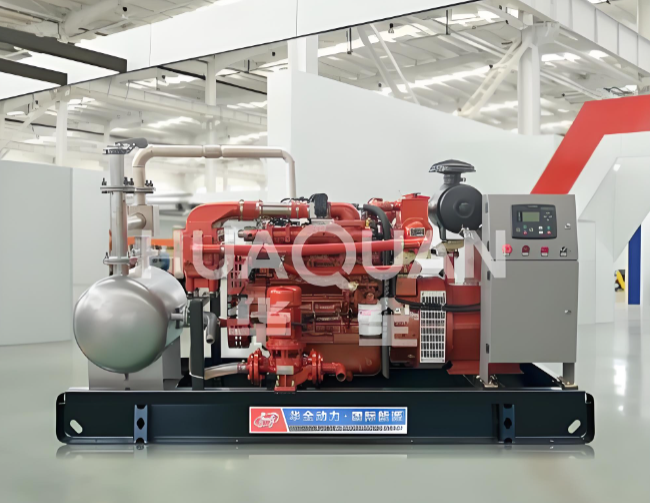
How to Reduce the Noise of Industrial Generators Without Sacrificing Performance

How to Reduce the Noise of Industrial Generators Without Sacrificing Performance
Industrial generators are the backbone of many large-scale operations. From construction sites and manufacturing plants to oil fields and remote infrastructure projects, these machines provide dependable power in demanding environments. However, one ongoing challenge is noise. Industrial generators can produce high sound levels that affect worker safety, reduce comfort, and create regulatory concerns.
The key challenge for operators is finding ways to Reduce the noise of industrial generators without compromising performance. Power output, fuel efficiency, and operational reliability must remain intact. Fortunately, modern engineering solutions allow companies to significantly lower noise levels while maintaining full generator efficiency.
This article explores practical and advanced strategies to achieve quieter industrial generator operation without sacrificing performance.
Understanding Generator Noise Sources
Before implementing solutions, it’s important to identify where generator noise originates. Industrial generators typically produce sound from four primary sources:
-
Engine combustion noise from internal mechanical processes
-
Exhaust system noise caused by high-pressure gas discharge
-
Cooling fan noise generated by airflow movement
-
Mechanical vibration noise transmitted through structural supports
Effective noise reduction requires addressing all these components in a balanced way.
Install High-Performance Acoustic Enclosures
One of the most effective solutions for reducing generator noise is the use of acoustic enclosures. These specially engineered housings are designed to contain and absorb sound while maintaining proper airflow and cooling.
Modern acoustic enclosures include:
-
Multi-layer sound insulation materials
-
Perforated internal panels for sound absorption
-
Engineered ventilation channels
-
Weather-resistant external shells
The key to maintaining performance is proper airflow design. Advanced enclosures allow sufficient ventilation for cooling systems while preventing excessive sound leakage. When installed correctly, acoustic enclosures can reduce noise by 20–40 decibels without affecting generator output.
Upgrade to Industrial-Grade Silencers
Exhaust noise is one of the loudest aspects of generator operation. Installing high-quality industrial silencers is a direct and effective way to reduce sound levels.
There are three common silencer types:
-
Reactive silencers, which reflect sound waves
-
Absorptive silencers, which use acoustic materials
-
Combination silencers, which integrate both technologies
Advanced silencers are designed to maintain optimal exhaust flow, ensuring engine performance remains unaffected. Proper sizing and installation are essential to prevent back pressure that could reduce efficiency.
By upgrading the exhaust system with the right silencer, operators can achieve significant noise reduction without sacrificing power.
Implement Vibration Isolation Systems
Mechanical vibrations amplify generator noise by transmitting sound through floors, frames, and nearby structures. Reducing vibration not only lowers sound levels but also improves equipment longevity.
Effective vibration control solutions include:
-
Rubber anti-vibration mounts
-
Spring isolators
-
Shock-absorbing pads
-
Floating foundation systems
These systems decouple the generator from the supporting structure, minimizing resonance and structural noise transmission. Because vibration isolation improves mechanical stability, it often enhances performance rather than diminishing it.
Optimize Cooling Systems for Lower Noise
Cooling fans are a major contributor to high-frequency noise. However, cooling is essential to prevent overheating and maintain performance.
To reduce fan noise without sacrificing efficiency:
-
Use variable-speed cooling fans
-
Upgrade to low-noise fan blade designs
-
Improve airflow pathways
-
Install acoustic-lined air intake ducts
Variable-speed fans adjust according to engine temperature, reducing unnecessary noise during lower load conditions. This approach maintains optimal cooling performance while minimizing excess sound.
Strategic Generator Placement
Generator placement plays an important role in perceived noise levels. Relocating generators away from populated areas or worker zones can reduce noise exposure significantly.
Additional placement strategies include:
-
Positioning generators behind solid structures
-
Avoiding reflective surfaces like metal walls
-
Using natural terrain barriers
While placement does not reduce the generator’s actual sound output, it can dramatically lower noise impact without affecting operational performance.
Build Sound-Controlled Generator Rooms
For permanent installations, constructing a sound-controlled generator room provides long-term noise reduction. These rooms are designed with:
-
Acoustic insulation in walls and ceilings
-
Sound-sealed doors
-
Ventilation silencers
-
Vibration-isolated flooring
Proper engineering ensures airflow remains sufficient for cooling and exhaust ventilation. When designed correctly, sound-controlled rooms reduce noise dramatically while maintaining full generator functionality.
This solution is ideal for manufacturing facilities, hospitals, and commercial buildings.
Maintain Optimal Load Levels
Generators operating at extreme load levels often produce higher noise. Intelligent load management helps maintain optimal operating conditions.
By using advanced control panels, operators can:
-
Monitor load distribution
-
Prevent overloading
-
Synchronize multiple generators
-
Share loads evenly
Balanced load operation reduces engine strain and mechanical stress, which naturally lowers noise levels while improving efficiency.
Perform Routine Maintenance
Regular maintenance is one of the simplest and most effective ways to control generator noise. Worn or loose components can increase vibration and sound output.
Key maintenance practices include:
-
Tightening loose panels and bolts
-
Replacing worn mufflers
-
Checking vibration mounts
-
Cleaning cooling systems
-
Ensuring proper engine tuning
A well-maintained generator runs more smoothly, resulting in quieter operation and improved reliability.
Preventive maintenance also extends equipment lifespan and reduces unexpected downtime.
Use Portable Acoustic Barriers
For temporary worksites, portable acoustic barriers offer flexibility. These barriers are positioned around the generator to absorb and deflect noise.
Modern acoustic panels are made from dense composite materials designed to reduce sound transmission. They can be easily relocated as site layouts change.
Because they do not interfere with generator airflow or exhaust systems, portable barriers reduce noise without affecting performance.
Protect Workers with Noise Control Policies
Even with advanced engineering solutions, protecting workers remains essential. Employers should implement policies that limit prolonged noise exposure.
These measures may include:
-
Providing hearing protection
-
Rotating shifts
-
Designating safe zones
-
Monitoring decibel levels
These practices enhance worker safety without requiring changes to generator performance.
Avoid Common Mistakes
When attempting to reduce noise, certain mistakes can unintentionally affect generator efficiency. These include:
-
Blocking ventilation airflow
-
Installing improperly sized silencers
-
Restricting exhaust flow
-
Using low-quality insulation materials
Noise reduction solutions must always be engineered with performance considerations in mind. Proper planning and professional installation ensure both objectives are achieved.
Balancing Noise Reduction and Performance
The ultimate goal is balance. Effective noise reduction should complement generator operation, not hinder it.
When properly implemented, noise control measures can:
-
Improve fuel efficiency
-
Reduce mechanical wear
-
Enhance equipment stability
-
Increase regulatory compliance
-
Improve worker productivity
Rather than sacrificing performance, many advanced noise reduction techniques actually enhance overall system reliability.
Conclusion
Reducing the noise of industrial generators without sacrificing performance is entirely achievable with the right strategies. By combining acoustic enclosures, advanced silencers, vibration isolation, optimized cooling systems, intelligent load management, and routine maintenance, operators can create quieter environments while maintaining full power capacity.
Noise reduction is not just about comfort—it improves safety, regulatory compliance, equipment longevity, and operational efficiency. With modern engineering solutions and thoughtful planning, industrial facilities can enjoy reliable, high-performance power generation in a safer and more controlled acoustic environment.