Supporting Child Development With Occupational Therapy
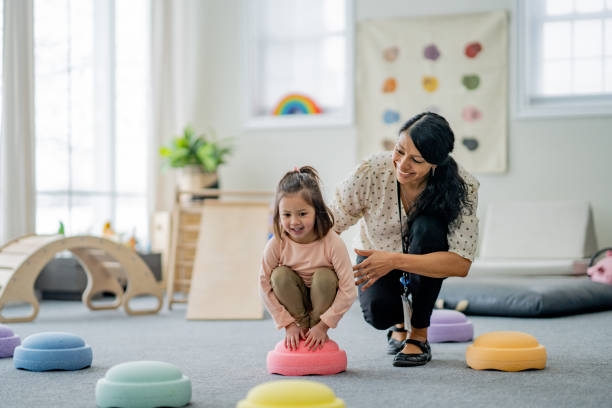
Occupational therapy plays a vital role in helping children thrive in daily life by building foundational skills necessary for learning, play, self-care, and social interaction. For many families, addressing developmental challenges early on can make a lifelong difference. At Kids First, occupational therapy is delivered with a child-centred approach that supports a child’s individual needs, strengths, and goals. With early intervention and meaningful activities, occupational therapy promotes confidence, independence, and participation in everyday life.
In this article, we will explore what occupational therapy is, how it supports children’s development, and why it matters for families seeking personalized, evidence-based care for their children.
What Is Occupational Therapy for Children?
Occupational therapy is a health profession focused on helping individuals participate in everyday activities called “occupations.” For children, these occupations include tasks like playing, learning at school, eating, dressing, and social interaction. An occupational therapist works with children who may be experiencing delays in motor skills, sensory processing, behaviour, coordination, or self-care routines.
Therapists use playful, engaging activities to help children build strength, fine motor skills, attention, and confidence. Occupational therapy is not only about improving physical skills — it is equally focused on emotional regulation, adaptive strategies, and environmental support that make daily life more manageable and enjoyable for a child.
Who Can Benefit from Occupational Therapy?
Many children can benefit from occupational therapy, including those with:
-
Sensory processing differences
-
Developmental delays
-
Coordination challenges (such as difficulty with handwriting or balance)
-
Autism spectrum conditions
-
Attention and focus difficulties
-
Self-care skill challenges (such as fastening clothing or feeding independently)
Each child’s development is unique, and occupational therapy helps children progress at their own pace while addressing specific areas of need. By working collaboratively with families, therapists support children to reach meaningful goals in their home, school, and community environments.
How Occupational Therapy Supports Development
Occupational therapy uses a range of strategies that help children engage more fully in daily life. Some key ways it supports development include:
1. Enhancing Motor Skills
Motor skills are essential for physical tasks such as writing, cutting with scissors, tying shoelaces, and participating in sports. Occupational therapists design fun, movement-based activities that improve muscle strength, coordination, and control.
2. Supporting Sensory Processing
Children who experience sensory processing challenges may be overly sensitive or under-responsive to sights, sounds, touch, taste, or movement. Occupational therapy helps children understand and regulate sensory input so they can focus more easily, stay calm, and take part in activities they enjoy.
3. Building Self-Care Skills
Tasks like dressing, brushing teeth, eating, and toileting are important milestones for children. Occupational therapy breaks down these skills into manageable steps and uses hands-on practice to build confidence and independence.
4. Encouraging Social Participation
Playing and interacting with peers is a vital part of childhood development. Through group activities and social-skills support, occupational therapists help children learn how to communicate effectively, take turns, share, and make friends.
5. Supporting School Readiness
At school, children must manage tasks like sitting at a desk, writing, focusing on instructions, and managing transitions. Occupational therapy provides tools and strategies that support learning and concentration within classroom environments.
What to Expect in Occupational Therapy Sessions
Occupational therapy sessions are designed to be engaging, age-appropriate, and tailored to each child’s interests. A typical session may include:
-
Play-based exercises that build strength and coordination
-
Sensory activities that help children organise sensory input
-
Activities that enhance fine motor skills, such as drawing, puzzles, or threading
-
Techniques to support emotional regulation, such as deep breathing or movement breaks
-
Parent and caregiver coaching to extend skills into everyday routines
Therapists take time to observe a child’s play, listen to family concerns, and collaborate on practical strategies that work at home and school. The goal is always to empower both the child and family with tools that support ongoing development outside therapy sessions.
How Families Can Be Involved
Family involvement is a cornerstone of successful occupational therapy. When families understand therapy goals and strategies, progress extends beyond the clinic. Occupational therapists often:
-
Share personalised home activity ideas
-
Provide tips for creating sensory-supportive environments
-
Offer guidance on routines that foster independence
-
Help caregivers support self-care development
Open communication between therapists and families ensures that therapy feels relevant and achievable for each child’s lifestyle.
Measuring Progress and Celebrating Success
Progress in occupational therapy is measured through observation, skill attainment, and functional improvements. Even small changes — like improved hand-washing independence or greater participation in classroom activities — are meaningful indicators of progress.
Children often enjoy celebrating milestones, and therapists encourage kids and families to recognise achievements as they grow. Success is not only reaching big goals but also building confidence, resilience, and joy along the way.
Choosing the Right Occupational Therapy Support
When choosing occupational therapy services for a child, consider providers who offer:
-
Child-centred, evidence-based interventions
-
Supportive, collaborative communication with families
-
Ongoing progress monitoring and meaningful goal setting
-
A positive, playful environment that makes therapy enjoyable
Children flourish when therapy feels fun and empowering — not simply like “work.” The right therapist builds trust and creates experiences that help children feel capable and confident in their abilities.
Conclusion
Occupational therapy is a powerful support for children’s development, helping them master vital life skills, participate meaningfully in daily activities, and grow with confidence. Through personalised therapy plans, engaging strategies, and collaborative family involvement, children can achieve real progress that makes everyday life easier and more enjoyable. For families seeking compassionate, expert care that focuses on each child’s unique strengths, Kids First delivers occupational therapy services that truly make a difference. At Kids First, we believe every child deserves the support to thrive and reach their full potential.
Categories
Read More
Just see you, The Hidden Side of Buying Yahoo Mail Accounts for an Online Business in 2030 Safevccpro is a Google-certified marketplace offering reliable, premium, bulk-aged email, social, banking, and ad accounts, all delivered securely. What sets us apart is our focus on providing maximum stability and seamless integration for businesses seeking to grow their digital presence. (ScamAdviser...

If you’re looking to buy Facebook aged accounts, you’re in the right place. Whether you’re a marketer, a small business owner, or someone who needs reliable accounts for advertising or Marketplace access, aged Facebook accounts can save you time and effort. At EverSMM, we provide verified, secure, and ready-to-use aged accounts tailored to your needs. This guide will help you...

"Executive Summary Tree Nuts Market Size and Share: Global Industry Snapshot The global tree nuts market size was valued at USD 58.24 billion in 2024 and is projected to reach USD 99.69 billion by 2032, with a CAGR of 6.95% during the forecast period of 2025 to 2032. The Tree Nuts report is an ultimate solution for businesses if they want to stay ahead of the competition in today's...
