Materials and Technology in Cable Connection Design

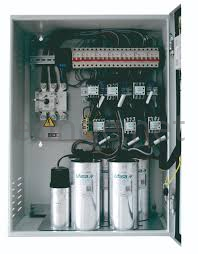
Medium voltage cable networks connect transformers, switchgear, distribution equipment, industrial facilities, and other electrical infrastructure. Although the cable itself provides the primary transmission path, the quality of its connection points can strongly influence overall system reliability. Properly selected and installed Medium Voltage Cable Accessories help address electrical stress, insulation continuity, mechanical protection, environmental exposure, and connection requirements across different cable applications.
Cable accessories commonly include termination systems, joints, connectors, stress-control components, insulating elements, sealing structures, and protective materials. Each component has a specific function within the complete cable system. Their materials and dimensions must be compatible with the cable construction and the intended installation environment. Compatibility is important because interfaces between different materials can become areas of concentrated electrical or mechanical stress.
Insulation design is one of the most important considerations. Medium voltage cables rely on carefully engineered insulation systems to separate conductors from surrounding structures. At termination and joint locations, the original cable geometry changes, which can affect the distribution of electrical stress. Stress-control materials and appropriately designed insulating components help manage these transitions and support a more uniform electrical field around critical connection areas.
Material selection extends beyond insulation. Semiconductive components, conductive connectors, elastomeric materials, protective jackets, sealing compounds, and mechanical reinforcement may all contribute to the accessory assembly. Each material needs to perform according to its intended role while remaining compatible with adjacent components. Manufacturing consistency is therefore important, particularly for components that must maintain accurate dimensions and controlled interfaces during installation.
Environmental resistance is another major factor. Cable accessories may be installed underground, inside substations, in industrial facilities, or in outdoor distribution environments. Depending on the application, components may encounter moisture, dust, temperature variation, chemicals, vibration, or mechanical movement. Sealing structures can help protect sensitive interfaces, while suitable external materials can provide additional resistance to environmental exposure.
Installation quality has a direct influence on cable-system performance. Before assembly, technicians should verify cable dimensions, accessory compatibility, and the condition of insulation surfaces. Preparation procedures need to be performed carefully because contamination, incorrect stripping dimensions, surface damage, or poor alignment can influence the finished connection. Following the manufacturer's installation instructions and applicable electrical standards is essential.
Mechanical support should also be considered. Cable connections can be affected by pulling forces, bending, vibration, and thermal movement. Accessories should therefore work with the cable structure rather than creating unnecessary mechanical stress. Appropriate cable routing and support can help reduce movement at termination and joint points during normal operation.
Testing and inspection provide useful verification after installation. Depending on the system and applicable requirements, testing may include insulation checks, connection verification, visual inspection, or other electrical diagnostic procedures. Documentation of installation details and test results can help establish a useful maintenance record and provide reference information for future service activities.
Maintenance should focus on identifying environmental and physical changes at connection points. Technicians can inspect accessible areas for signs of moisture ingress, surface deterioration, mechanical damage, unusual heating, or other abnormal conditions. Underground or otherwise inaccessible connections may require condition-assessment techniques appropriate to the specific installation.
A well-designed cable network depends on more than conductor selection alone. Proper materials, stress control, sealing, mechanical support, installation procedures, and testing all contribute to the performance of Medium Voltage Cable Accessories throughout their service life. Businesses seeking electrical components and cable-system solutions can explore related products from Shanghai Yongjin Electric Technology Co.,Ltd. at https://www.eonge.net/product.

 English
 Chinese (Simplify)
