Developing Reliable Sunwear for Active Lifestyles

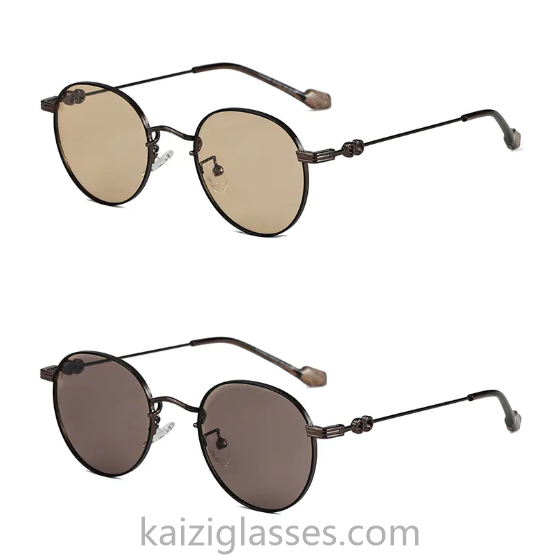
Outdoor eyewear needs to combine protective considerations with comfortable construction and appealing design. For international optical brands, Sunglasses 400 UV Polarized represent a product category where ultraviolet protection and polarization can be incorporated into a broader approach to lens and frame development. Understanding the difference between these characteristics is important when evaluating products for driving, travel, leisure, and everyday outdoor use.
Ultraviolet protection concerns the ability of a lens to reduce transmission of specified ultraviolet radiation according to applicable product requirements. The term UV400 is commonly associated with protection covering ultraviolet wavelengths up to approximately 400 nanometers, but buyers should still verify relevant testing, documentation, and regulatory requirements for their target markets. Lens darkness alone should not be treated as evidence of a particular protective level.
Polarization addresses a different optical concern. Reflected light from roads, water, glass, and other surfaces can create strong glare in bright environments. Polarized lenses are designed to filter certain orientations of light and can reduce this type of reflected glare. This characteristic can be useful for drivers, travelers, anglers, and consumers who spend considerable time outdoors.
Combining these lens characteristics requires appropriate frame and lens integration. The frame should hold the lens securely while maintaining alignment and a balanced appearance. Different frame shapes can accommodate the same general lens concept, including rectangular, square, round, oval, and contemporary geometric designs. This allows brands to develop collections around functional lens characteristics without limiting themselves to one visual style.
Lens color also contributes to product positioning. Gray lenses can create a relatively neutral appearance, while brown or green tones may provide different visual and fashion impressions. Other colors and treatments can be introduced for more expressive collections. However, lens color should be evaluated separately from UV protection and polarization because visual appearance does not independently establish either characteristic.
Frame materials influence the overall wearing experience and visual identity. Synthetic materials can support broad opportunities for color and shaping, while acetate-style materials can create polished surfaces, layered effects, or distinctive patterns. Metal components may contribute to a refined or lightweight visual structure. Material combinations can further expand design possibilities for private-label and fashion-oriented collections.
Comfort remains essential when developing outdoor eyewear. The relationship between bridge dimensions, frame width, temple length, lens size, and overall weight can affect how the product sits on the wearer. A balanced design can make sunglasses more suitable for extended use, while multiple frame proportions can help retailers serve consumers with different fitting preferences.
Quality control is particularly relevant when lenses are an important part of the product's functional positioning. Inspection can include lens placement, frame symmetry, surface condition, hinge operation, and overall assembly. Consistent inspection procedures help identify variations between production batches and provide buyers with a clearer basis for evaluating manufacturing quality.
International buyers should also consider documentation when sourcing protective eyewear. Depending on the destination market, applicable standards may address optical performance, UV protection, labeling, materials, or other product characteristics. Suppliers should provide relevant information where required, while importers and distributors remain responsible for understanding the regulations applicable to their own markets.
Customization offers another opportunity for brands developing polarized sunwear. Buyers may select different frame colors, lens shades, temple designs, logo treatments, packaging options, and model combinations. This flexibility allows a collection to be adapted to specific customer groups while maintaining a consistent functional concept. Sample approval is useful for confirming visual and construction details before larger production quantities are finalized.
Packaging also has practical importance. Sunglasses should be protected against scratches, pressure, and unnecessary movement during storage and transportation. For branded products, packaging can additionally reinforce the identity of the collection. Coordinating protective packaging with product presentation can help create a more complete retail experience.
As outdoor lifestyles continue to influence eyewear purchasing, consumers may look for sunglasses that combine practical lens features with contemporary styling. Driving, travel, walking, sports, and leisure can all create different expectations for sunwear. A carefully planned collection can respond to these situations by offering varied frame shapes and colors while maintaining consistent lens specifications.
For brands and distributors, Sunglasses 400 UV Polarized can therefore be evaluated through several connected factors rather than a single product label. UV protection, polarization, lens design, frame construction, comfort, quality control, documentation, and customization all contribute to the overall sourcing decision. Considering these elements together can help optical businesses develop collections suited to different international markets.
For additional sunglasses styles and product development options, international buyers can explore KAIZI's collection at https://www.kaiziglasses.com/product/sunglasses/, covering different frame directions and sunwear concepts for wholesale and private-label programs.

 English
 Chinese (Simplify)
