How Polarization Influences Modern Sunwear Collections
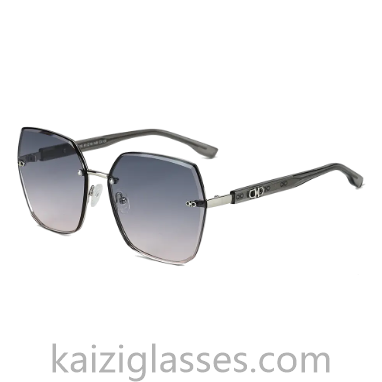
Outdoor eyewear is expected to combine visual comfort, protective functions, and attractive styling, making China Polarized Sunglasses an important category for brands and distributors serving international markets. Polarization can help reduce certain types of reflected glare, while frame materials, lens characteristics, and overall design determine how the finished product fits different consumer needs. Understanding these elements can help buyers evaluate products beyond their appearance.
Polarized lenses are designed to filter specific orientations of light and can reduce glare reflected from surfaces such as roads, water, and other bright environments. This characteristic can be useful for activities including driving, travel, boating, fishing, and outdoor recreation. However, polarization and ultraviolet protection are separate properties, so buyers should evaluate each feature independently when reviewing product specifications.
UV protection is an important consideration in outdoor eyewear. Appropriate protection should be supported by relevant testing and documentation according to the requirements of the destination market. Lens darkness alone does not establish a specific level of UV protection. For international buyers, checking technical information and applicable compliance requirements can therefore be more useful than judging protective performance from lens appearance.
Lens color can influence both visual perception and product styling. Gray, brown, green, and other shades can create different aesthetic effects and may be selected according to the intended market position. Some brands prefer neutral colors for broad everyday appeal, while others use brighter or more distinctive combinations to create a stronger fashion identity. A diverse color selection can help retailers serve multiple consumer preferences.
Frame construction works closely with lens development. The front structure must accommodate the selected lenses while maintaining appropriate proportions and alignment. Wider designs, classic shapes, geometric frames, and sporty silhouettes can all be adapted for polarized products. Bridge dimensions and temple construction should also be considered because they influence how the product sits on the wearer.
Material selection provides additional design flexibility. Synthetic frames can support varied shapes and colors, while acetate-style materials can create layered or patterned surfaces. Metal elements may introduce a lighter visual character and clean structural lines. Material combinations can also be used to create contrast between the frame front and temples, helping brands develop distinctive collections.
Manufacturing consistency is important when producing polarized eyewear in larger quantities. Lens positioning, frame symmetry, surface quality, hinge installation, and finishing should be checked throughout production. Because lenses are often highly visible, small alignment differences can affect the appearance of a finished model. Consistent inspection procedures can therefore support more predictable results across different production batches.
For international buyers, sourcing considerations extend beyond individual product models. Clear communication about lens requirements, frame colors, logo placement, packaging, model assortments, and inspection standards can make customized development more efficient. Approved samples can also provide a practical reference for confirming details before larger production runs.
Private-label programs can benefit from the flexibility of polarized eyewear. Brands may develop collections around different frame shapes while maintaining consistent lens characteristics. They can also adapt colors, surface treatments, logos, and packaging to create a more recognizable market identity. This allows the same general product category to serve different positioning strategies without relying on a single visual style.
Outdoor lifestyles continue to influence eyewear design. Consumers may expect their sunglasses to work across commuting, travel, leisure, driving, and casual daily use. This creates opportunities for brands to combine functional lens features with contemporary frame design. Rather than treating technical characteristics and fashion as separate areas, manufacturers can coordinate both during product development.
For distributors and retailers, understanding the complete construction of polarized eyewear can make product evaluation more systematic. Lens technology, UV protection, frame materials, proportions, finishing, comfort, and manufacturing consistency all contribute to the final product. A supplier that can communicate these aspects clearly can make international sourcing and collection development easier to organize.
Brands looking to expand their outdoor eyewear selection can explore KAIZI's sunglasses collection at https://www.kaiziglasses.com/product/, where different frame styles and lens concepts can support varied international sunwear programs.
 English
 Chinese (Simplify)
