Baby Support Seat: A Complete Guide for New Parents

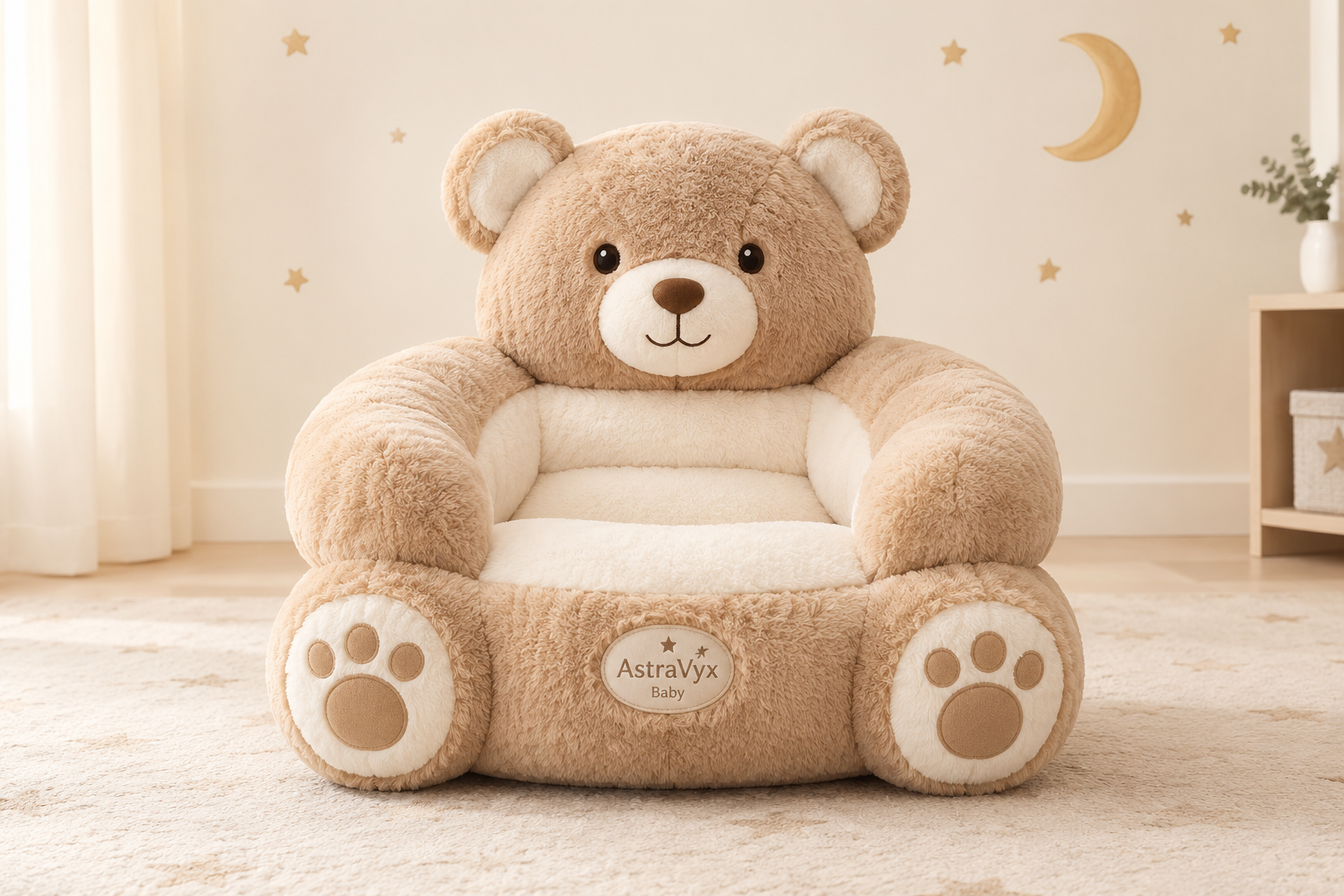
Becoming a parent comes with countless exciting milestones, and one of the most memorable is watching your baby begin to develop better head and sitting control. During this stage, many parents consider using a baby support seat to provide their little one with additional support while they are awake and supervised.
A baby support seat can be a useful addition to your baby-care essentials when it is appropriate for your child’s developmental stage and used exactly according to the manufacturer's instructions. It can provide a comfortable place for babies to sit during short periods of play, interaction, or feeding. However, parents should understand that a support seat is not a replacement for floor play, a crib, or an appropriate infant sleep surface.
In this complete guide, we will explain what a baby support seat is, its potential benefits, important safety considerations, how to choose one, and how to introduce it into your baby's daily routine.
What Is a Baby Support Seat?
A baby support seat is designed to help provide stability for babies who are beginning to develop their sitting skills but may not yet be able to sit independently for extended periods.
Unlike an ordinary chair, a baby support seat is generally designed around the smaller body proportions of infants. Depending on the design, it may include supportive sides, a structured back, a wide base, a safety harness, and other features intended to help keep the baby comfortably positioned.
One example parents may explore is the Astravyx Baby Chair, which is designed as a supportive seating option for babies. Parents should always check the product's specific age, weight, developmental, and usage instructions before placing their baby in any support seat.
A support seat should be viewed as an awake-time activity product, rather than a place for a baby to sleep.
Why Do Parents Use Baby Support Seats?
The transition from lying down to sitting is an important period in a baby's development. Parents often want a safe and convenient way to interact with their baby while the child is becoming more comfortable in an upright position.
A baby support seat may offer several practical benefits.
1. Provides Additional Sitting Support
Babies who are still developing their balance may benefit from an appropriately designed seat that provides support around the body. A supportive structure can make short periods of upright activity more comfortable.
However, every baby develops at a different pace. Parents should never use a seat simply because another baby of the same age is already sitting independently.
2. Encourages Interaction
An upright position can allow babies to see their surroundings from a different perspective. Parents can sit nearby, talk to them, sing, read simple books, or play age-appropriate games.
These everyday interactions can make sitting time engaging rather than simply positioning the baby in a chair.
3. Convenient for Short Activities
A support seat can be useful when parents want their baby nearby during supervised activities. Depending on the product's intended use, it may be suitable for activities such as playing or interacting with caregivers.
The important point is that babies should remain supervised and should not be left in a sitting product for unnecessary periods.
4. Helps Create a Dedicated Baby Space
Having a designated baby seat can give parents another option for supervised awake time. Instead of placing a baby on an unsuitable elevated surface, parents can use an age-appropriate product according to its instructions.
The seat should always be placed on a stable, appropriate surface and used exactly as intended.
When Can a Baby Use a Support Seat?
There is no single age that applies to every baby. Readiness depends on the baby's development as well as the specific product's instructions.
Parents should check the manufacturer's recommended age and weight limits before use. More importantly, they should consider whether their baby has developed enough head and upper-body control for the particular seat.
If your baby cannot maintain appropriate head control or repeatedly slumps into an unsafe position, the seat may not yet be appropriate.
Parents who are uncertain about whether their baby is developmentally ready can consult their pediatrician.
It is also important to distinguish a baby support seat from a car safety seat. A baby support seat should never be used as a substitute for an approved car seat during travel. The American Academy of Pediatrics recommends that infants and toddlers travel in an appropriate rear-facing child restraint for as long as possible within the manufacturer's height and weight limits.
Important Safety Considerations
Safety should always be the first consideration when choosing and using a baby support seat.
Always Follow the Manufacturer's Instructions
Every baby chair is different. Before using one, carefully read the manufacturer's instructions, including information about age, weight, assembly, positioning, cleaning, and restrictions.
Do not modify the product or use accessories that are not approved by the manufacturer.
Use the Safety Harness Correctly
If the product includes a harness or restraint system, use it according to the instructions. Make sure it is properly positioned and adjusted without being excessively loose or uncomfortable.
A harness is designed to help keep the baby positioned correctly; it does not mean parents can leave the baby unattended.
Keep the Seat on a Stable Surface
Never place a baby support seat on a table, kitchen counter, bed, sofa, or other elevated surface unless the manufacturer specifically designed and approved the product for that use.
Falls can happen quickly when a baby moves, leans, or pushes against surrounding objects.
Supervision Is Essential
Babies should be actively supervised while using a support seat. Avoid leaving a baby alone in the seat, even if the baby appears comfortable and secure.
Supervision allows parents to respond quickly if the baby changes position, becomes uncomfortable, or attempts to climb out.
Do Not Use a Support Seat for Sleep
One of the most important safety points is that sitting products should not be used as routine sleep spaces.
The American Academy of Pediatrics recommends that babies sleep on a firm, flat sleep surface such as an approved crib, bassinet, or portable play yard. Sitting devices are not recommended for routine infant sleep.
If a baby falls asleep while using a sitting product, parents should move the baby to an appropriate flat sleep surface as soon as practical and safe.
How to Choose the Right Baby Support Seat
With so many baby products available, choosing the right support seat can feel overwhelming. Focus on practical features rather than simply choosing the most attractive design.
1. Appropriate Size and Weight Range
Check the manufacturer's specifications carefully. The seat should be suitable for your baby's current size and developmental stage.
Never exceed the stated weight limit.
2. Stable Base
A broad, stable base can help reduce the risk of tipping during normal use. Look for a product designed to remain stable on the recommended surface.
3. Supportive Design
A good support seat should provide appropriate support without forcing your baby into an uncomfortable position.
Your baby should be able to breathe freely, and the head should remain in a safe position.
4. Easy-to-Clean Materials
Babies are naturally messy. Food, drool, milk, and other spills can quickly accumulate on baby products.
A seat with wipe-clean surfaces or removable washable components can make everyday maintenance much easier for parents.
5. Safety Features
Look for clearly explained safety features such as an appropriate restraint system, stable construction, and secure components. Always verify that the product is being used within its intended purpose.
Introducing Your Baby to a Support Seat
When your baby is developmentally ready, introduce the seat gradually.
Start with a short period while your baby is awake and calm. Sit close to your baby and interact with them. Watch their posture and body language.
If your baby appears uncomfortable, tired, or frustrated, remove them from the seat and try again another time.
Remember that a support seat should complement—not replace—other important forms of movement and development.
Supervised floor time gives babies opportunities to move their arms and legs, explore different positions, and practice developing physical skills.
Cleaning and Maintaining a Baby Support Seat
Regular cleaning is especially important for baby products.
Follow the manufacturer's cleaning instructions rather than using harsh chemicals that could damage materials. If the product has removable covers or washable components, clean them according to the recommended method.
Parents should also inspect the seat regularly.
Look for:
- Loose screws or components
- Cracks or damaged plastic
- Torn straps
- Worn stitching
- Damaged buckles
- Unstable or broken parts
If an important safety component becomes damaged, stop using the product until it has been properly repaired or replaced according to the manufacturer's guidance.
Baby Support Seat vs. Floor Time
A support seat can be convenient, but it should not become the only place where your baby spends awake time.
Babies need opportunities to move and explore naturally. Supervised floor play can encourage reaching, rolling, stretching, and other age-appropriate movements.
Think of a support seat as one option within a broader routine, rather than a developmental shortcut.
Parents should also avoid comparing their baby's development with other children. Some babies sit earlier, while others take more time. If you have concerns about your baby's development, discuss them with a qualified healthcare professional.
Why the Right Product Matters
A baby support seat is a product that should combine comfort, stability, practicality, and appropriate safety features. Parents should look beyond appearance and consider whether the product is genuinely suitable for their child's current developmental stage.
The Astravyx Baby Chair can be explored by parents looking for a dedicated baby seating option:
Before purchasing or using any baby chair, carefully review the product specifications and manufacturer's instructions to determine whether it is appropriate for your child.
5 Frequently Asked Questions
1. What is a baby support seat used for?
A baby support seat is designed to provide additional support while a baby is sitting during supervised, awake activities. It can be useful for short periods of play and interaction when the baby is developmentally ready.
2. What age can a baby use a support seat?
There is no universal age because babies develop at different rates and products have different requirements. Parents should follow the manufacturer's recommended age, weight, and developmental guidelines and make sure their baby has appropriate head and body control.
3. Can a baby sleep in a support seat?
No. A support seat should not be used as a routine sleep space. The American Academy of Pediatrics recommends that babies sleep on a firm, flat, appropriate sleep surface such as a crib, bassinet, or portable play yard.
4. How long should a baby sit in a support seat?
There is no single recommended duration for every product or baby. Parents should follow the manufacturer's instructions, use the seat for appropriate supervised activities, and provide plenty of opportunities for age-appropriate movement and floor play.
5. What should parents look for when buying a baby support seat?
Look for an age- and size-appropriate design, stable construction, suitable support, secure restraints where provided, easy-to-clean materials, and clear manufacturer instructions. Safety and suitability should always be more important than appearance.
Conclusion
A baby support seat can be a practical addition to a family's baby-care routine when it is used appropriately. It may give babies a comfortable place for short periods of supervised, awake-time interaction while parents talk, play, or engage with them.
However, the most important consideration is always safety. Parents should choose a product that matches their baby's developmental stage, follow the manufacturer's instructions, use restraints correctly when provided, keep the seat on an appropriate stable surface, and supervise their baby at all times.
Most importantly, a support seat should never replace safe sleep arrangements or opportunities for natural movement and floor play. By using the product responsibly and understanding its purpose, parents can make baby seating a useful part of their everyday routine.

 English
 Chinese (Simplify)
