How a Bezel Set Radiant Cut Engagement Ring Frames the Diamond

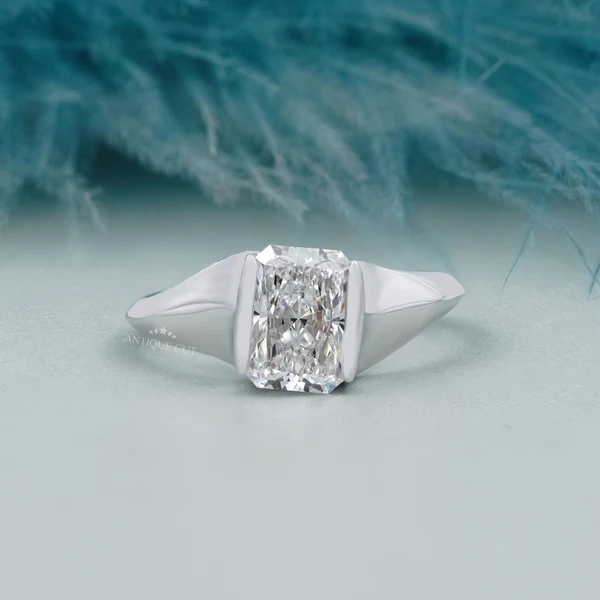
The setting of an engagement ring can change the way a diamond looks just as significantly as the shape or size of the stone itself. While the center diamond naturally attracts attention, the metal surrounding it determines how its edges, proportions, and overall silhouette are presented. This becomes particularly interesting with radiant-cut diamonds, which combine an elongated outline with brilliant faceting and clipped corners.
A bezel setting offers a distinctive way to showcase this shape. Rather than holding the stone with individual prongs, the setting uses a continuous rim of metal around the diamond. This creates a defined frame that follows the contours of the stone and gives the ring a polished, cohesive appearance.
The relationship between the radiant cut and bezel setting is especially appealing because both elements have a strong sense of structure. The radiant cut introduces geometric lines and sparkling facets, while the bezel creates a smooth border that visually contains the center stone. Together, they can produce an engagement ring that feels sophisticated without relying on excessive decoration.
The Bezel as a Frame Around the Radiant Cut
A bezel setting can be thought of as a frame designed specifically for the diamond it surrounds. The metal follows the outer perimeter of the stone, creating a clear boundary between the gemstone and the rest of the ring. This framing effect is particularly noticeable with a radiant-cut diamond. Unlike round diamonds, which have a naturally circular outline, radiant cuts typically feature straight sides and cropped corners.
Their shape can be rectangular or slightly square depending on the proportions selected. When a bezel follows these lines, it emphasizes the diamond's architecture. Instead of allowing the stone to appear visually separated from the band, the setting creates a unified shape. The eye naturally follows the outline of the metal, which can make the center diamond appear more defined.
The thickness of the bezel also influences the final look. A delicate rim can create a subtle border while preserving much of the diamond's visual presence. A more substantial bezel produces a stronger frame and can give the ring a distinctly modern character.
This is one of the reasons bezel settings work well for people who appreciate clean jewelry design. There are no individual prongs interrupting the outline of the stone. Instead, the diamond is surrounded by one continuous element that can make the overall ring look carefully constructed and intentional.
The bezel can also affect the apparent proportions of the center stone. Because the metal creates an outline around the diamond, it becomes part of the visual measurement of the ring. Careful design is therefore important. A well-balanced bezel should complement the radiant cut rather than conceal too much of its shape.
Why the Radiant Cut Benefits From a Defined Outline
The radiant cut has a visual personality that makes it particularly suitable for a framed setting. Its combination of straight edges, clipped corners, and brilliant faceting gives it an appearance that can be both elegant and contemporary. They soften what might otherwise be a strictly rectangular silhouette and add another geometric detail to the stone.
The result can be a ring in which the diamond's outline is immediately noticeable. Rather than focusing solely on sparkle, the design allows the shape of the stone to contribute strongly to the ring's character. A radiant-cut diamond is designed to produce lively flashes of light across its surface. The bezel does not need to compete with this brilliance.
This creates an interesting contrast between the reflective diamond and the solid metal surrounding it. The diamond provides movement and light, while the bezel provides structure and definition. Proportion is another consideration. An elongated radiant cut can create a graceful vertical appearance when used in a traditional orientation.
The bezel can be tailored to either shape, making it possible to create different interpretations of the same basic concept. For this reason, selecting the diamond and setting together can be more effective than choosing them independently. The dimensions of the stone, the width of the bezel, and the design of the band all contribute to the final appearance.
Whether cut to a crisp square or an elongated rectangle, achieving optical brilliance in a radiant diamond comes down to aspect ratio precision. Sculpting the length-to-width proportions ensures edge-to-edge light distribution without creating dead spots or shadowing across the center table. To explore beautiful gemstone-inspired collections and modern jewelry craftsmanship, visit:
https://www.antiquecut.com/products/radiant-cut-diamond
Protection Meets Contemporary Design
The visual appeal of a bezel setting is only part of its attraction. The design also provides coverage around the outer edge of the diamond, which can be useful for people who intend to wear their engagement ring frequently. In a traditional prong setting, small metal claws hold the diamond at specific points around its perimeter.
This approach leaves more of the stone exposed and creates an open appearance. It is a classic design that continues to be popular, but the exposed structure can require attention over time. This does not make a ring completely resistant to damage, but the design can provide an additional layer of protection around the stone.
The smooth profile may also be appealing for practical reasons. Prongs can sometimes catch on clothing, hair, or other materials, particularly when they are raised or have become worn. This makes the design worth considering for people with active routines. Someone who wears an engagement ring while working, traveling, or carrying out everyday tasks may appreciate a setting that has a streamlined exterior.
The protective quality also complements the radiant cut. Because the setting follows the diamond's edges, it creates a secure-looking border around the entire stone. The visual impression is one of stability without sacrificing elegance. Any engagement ring should be inspected periodically for signs of wear, and the diamond and metal should be cleaned using methods appropriate for the materials.
Creating a Distinctive Engagement Ring Style
One of the strongest qualities of a bezel set radiant design is its versatility. It can look minimalist, architectural, romantic, or bold depending on how the rest of the ring is designed. A slim band paired with a carefully proportioned bezel can produce an understated appearance. The diamond remains the focal point, while the metal simply defines its outline.
Metal color can also change the visual effect. White-toned metals can create a relatively seamless transition between the bezel and the diamond, especially when paired with a colorless-looking stone. Yellow or rose-toned metals can introduce contrast and make the frame more noticeable.
The choice does not have to follow a particular trend. Instead, it can be based on existing jewelry, personal preferences, or the atmosphere the wearer wants the ring to convey. The bezel itself can also be incorporated into different design styles. Some rings use a simple border around the center stone, while others extend the framing concept into the shoulders of the band. This creates continuity between the center and the rest of the ring.
For anyone interested in a contemporary diamond design, Antiquecut presents an example of how distinctive diamond shapes can be incorporated into modern jewelry concepts. When selecting a ring, it is useful to look beyond photographs and consider how the proportions will work in person. The width of the band, height of the setting, size of the center diamond, and thickness of the bezel can all influence comfort and appearance.
How to Choose the Right Bezel for a Radiant Diamond
Not every bezel design will produce the same visual effect. Small differences in proportion can significantly change how the center stone is presented. Start with the shape of the radiant cut. A more elongated diamond can create a graceful, directional appearance, while a squarer stone can feel more balanced and compact. The bezel should follow those proportions naturally.
Next, consider the width of the metal frame. A narrow bezel can maintain a lighter appearance, whereas a thicker border gives the diamond a stronger visual outline. The height of the setting matters as well. A lower-profile design can feel comfortable and understated, while a higher setting may provide more visual separation between the diamond and the finger.
The band should also be considered as part of the complete composition. A very delicate band paired with a substantial bezel can create dramatic contrast, while a wider band may create a more cohesive, bold appearance. Finally, think about everyday wear. An engagement ring is typically worn frequently, so comfort, security, and ease of maintenance should be considered alongside appearance.
The best design is not necessarily the most elaborate one. In many cases, the most successful ring is one where every element has a clear purpose. The bezel frames the diamond, the band supports the center, and the proportions work together without allowing one feature to overwhelm another.
Conclusion
A bezel setting gives a radiant-cut diamond a distinctive way to stand out. By surrounding the stone with a continuous metal border, it creates a clear frame that emphasizes the diamond's straight edges, clipped corners, and overall geometric character.
Beyond its visual appeal, the design can provide useful coverage around the diamond and a smooth profile that suits everyday wear. Its clean structure also offers plenty of opportunities for personalization through metal choice, band width, diamond proportions, and overall ring design.
For those drawn to engagement rings that combine recognizable diamond elegance with a more contemporary approach, the pairing of a radiant cut and bezel setting can offer a compelling balance. The diamond supplies brilliance and character, while the bezel adds definition, protection, and a polished finish.
Ultimately, the beauty of this style comes from the relationship between the stone and its setting. When the proportions are carefully considered, the bezel does not simply hold the diamond in place—it frames it, defines it, and turns the center stone into an integral part of the ring's overall design.

 English
 Chinese (Simplify)
