Turn Stock Data into Better Decisions with Inventory Reporting Software

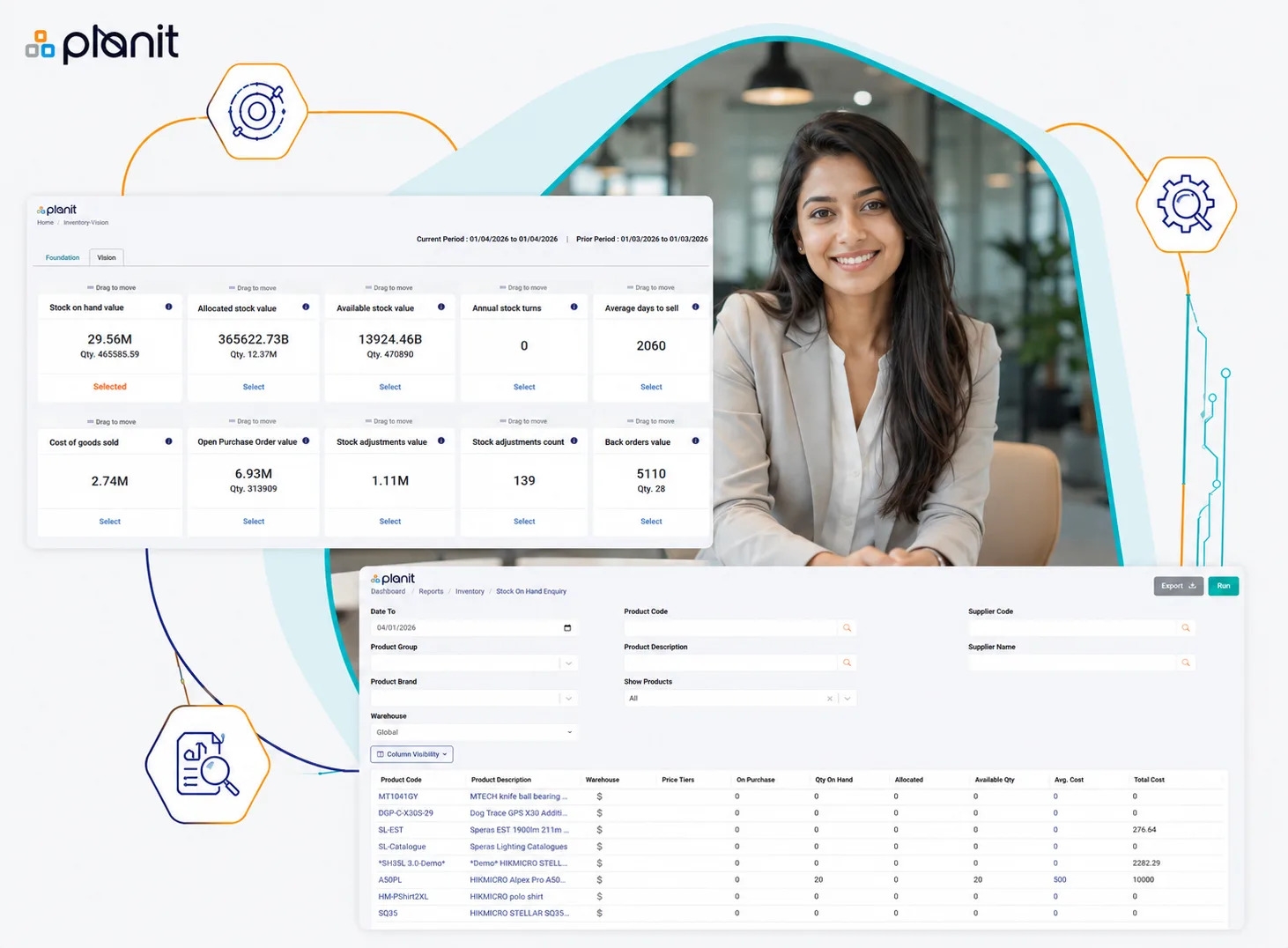
Inventory generates a constant stream of information, from purchases and sales to stock adjustments, transfers, returns, and warehouse movements. The challenge is turning that information into decisions that actually improve business performance. For growing companies, spreadsheets and manually prepared reports can make it difficult to identify trends, control costs, and respond quickly to changing demand.
This is where Inventory Reporting Software can make a meaningful difference. By bringing important stock information into organized, easy-to-understand reports, businesses can move from reactive inventory management toward more informed and proactive decision-making.
Why Inventory Data Matters for Business Decisions
Inventory decisions affect purchasing, sales, warehouse operations, cash flow, and customer satisfaction. If managers cannot clearly see what is selling, what is sitting idle, and where stock discrepancies are occurring, they may order too much, reorder too late, or keep capital tied up in products that are not generating returns.
Research from APQC indicates that better inventory accuracy is associated with improved order fill rates, fewer expedited orders, and lower inventory carrying costs.
Reliable reporting therefore gives management a stronger foundation for deciding what to purchase, when to replenish, and which products need attention.
What Inventory Reporting Software Can Reveal
A good reporting system does more than display stock quantities. It helps convert raw transactions into useful business insights.
Key reports can include:
-
Current stock levels by product, warehouse, or location
-
Fast-moving and slow-moving inventory
-
Stock valuation and carrying costs
-
Purchase and sales trends
-
Inventory adjustments and discrepancies
-
Stock ageing and dead-stock analysis
-
Reorder and replenishment requirements
-
Product-wise profitability indicators
-
Warehouse movement and transfer activity
-
Historical inventory performance
Having these reports available in a structured format allows managers to identify problems before they become expensive operational issues.
Identify Fast-Moving and Slow-Moving Products
Not every product contributes equally to business performance. Some SKUs may sell rapidly and require frequent replenishment, while others may remain in storage for months.
Inventory reports can help businesses compare product movement over different periods and identify patterns. Managers can then prioritize high-demand products while developing strategies for slow-moving stock.
For example, slow-moving items may require revised purchasing quantities, promotional planning, bundling, supplier discussions, or better demand forecasting. This approach helps prevent warehouse space and working capital from being unnecessarily tied up.
Improve Purchasing and Replenishment Decisions
Purchasing based only on assumptions can create two common problems: overstocking and stockouts.
Reporting tools provide historical sales, current stock, purchasing activity, and movement trends that can support better replenishment decisions. Recent research on stockout prediction also found that current inventory levels, recent sales, and near-term demand forecasts are important factors when predicting stockout risk.
Instead of asking, “Should we order more?” managers can examine actual inventory trends and make a more informed decision.
Monitor Inventory Accuracy
An inventory report can also help identify differences between recorded and actual stock. Even small discrepancies can create larger problems when they affect purchasing, sales orders, or customer commitments.
Inventory accuracy is commonly calculated by comparing correctly recorded inventory with the total inventory counted.
Businesses can use reporting to track:
-
Quantity variances
-
Adjustment frequency
-
Shrinkage
-
Damaged inventory
-
Receiving discrepancies
-
Warehouse-level differences
-
Cycle-count results
Tracking these indicators over time helps management investigate recurring problems instead of repeatedly correcting the same errors.
Use Trends Instead of Guesswork
One of the biggest advantages of structured inventory reporting is historical comparison. A single stock report tells you what is happening now, but trend reports help explain what has changed.
For example, managers can compare:
-
Monthly sales against inventory levels
-
Current stock against previous periods
-
Purchase quantities against actual consumption
-
Stock turnover across product categories
-
Warehouse performance over time
This makes it easier to recognize seasonal demand, declining product movement, unusual purchasing patterns, or increasing stock discrepancies.
Make Warehouse Operations More Efficient
Inventory reporting can also improve warehouse management. When teams know which products move quickly, which locations experience frequent discrepancies, and where excess inventory is accumulating, they can allocate resources more effectively.
For businesses operating multiple warehouses, centralized reporting can provide a broader view of inventory across locations. This can support better stock transfers and reduce situations where one warehouse has excess units while another location faces shortages.
Important Metrics to Track
The most useful reports should focus on metrics that support actual decisions rather than simply producing large amounts of data.
Consider monitoring:
-
Inventory turnover
-
Stock accuracy
-
Stockout frequency
-
Days of inventory on hand
-
Slow-moving inventory percentage
-
Inventory valuation
-
Order fill rate
-
Purchase trends
-
Stock ageing
-
Warehouse-level performance
For example, one inventory-management dataset reports inventory accuracy improving from 92% to 95% over three quarters while stockout rates declined from 6.8% to 4.2%. These figures illustrate how tracking operational metrics can make performance changes easier to identify.
Turn Reports into Actionable Decisions
Reports are valuable only when businesses use them to take action. A dashboard showing rising slow-moving stock should lead to an investigation. A recurring stock discrepancy should trigger a process review. A product experiencing consistently high demand may require adjusted purchasing or safety-stock levels.
The goal is not to generate more reports. The goal is to create better decisions from reliable information.
Choose Smarter Inventory Management with PlanIT
As inventory becomes more complex, businesses need visibility that supports day-to-day operations as well as long-term planning. Inventory Reporting Software can help organize stock information, highlight important trends, improve inventory control, and give managers a clearer basis for purchasing and operational decisions.
With PlanIT, businesses can take a more structured approach to inventory visibility and reporting, helping teams spend less time compiling information manually and more time acting on useful insights.
Get in touch with PlanIT:
-
Mobile: +91-9958474631
-
Email: sales@plan-it.pro
Better inventory decisions start with better information. When your stock data is accurate, organized, and easy to understand, it becomes more than a record of what you have—it becomes a valuable tool for planning what your business should do next.

 English
 Chinese (Simplify)
