How Can Haibodoor WPC Door Factory Support Residential Projects

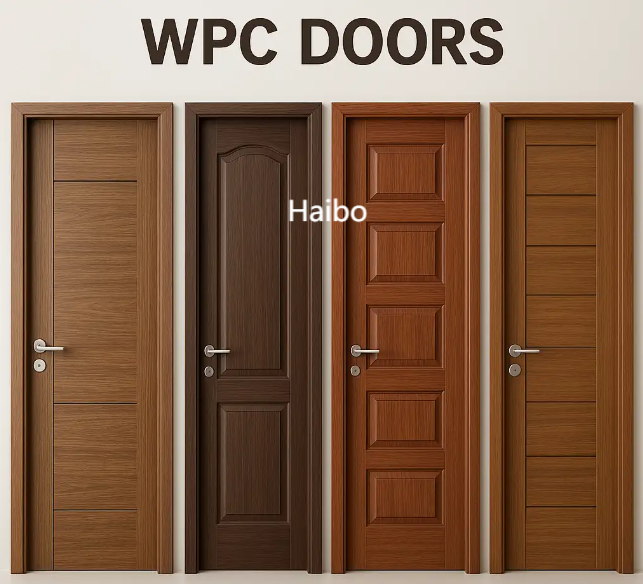
WPC Door Factory selection should begin with the actual requirements of the project rather than appearance or price alone. Buyers should consider material construction, room conditions, dimensions, surface finishes, hardware compatibility, customization, production procedures, samples, inspection, packaging, and delivery. Haibodoor provides interior solutions for different residential and commercial applications and supports project discussions based on design preferences and practical installation requirements.
Define The Intended Application
The first step is to identify where the product will be installed.
Bedrooms, bathrooms, living areas, kitchens, offices, hotels, and other spaces may have different requirements.
Bedrooms often need privacy and visual coordination. Bathrooms may involve greater moisture exposure. Offices and hotels can experience more frequent daily use.
By identifying the room type first, buyers can communicate clearer requirements to the supplier.
A room schedule can also list dimensions, preferred finishes, hardware requirements, quantities, and installation locations for larger projects.
Review Material Construction
The internal structure deserves as much attention as the visible surface.
Buyers can ask about the core, surface layer, edge construction, frame, reinforcement, and other components.
Different construction methods may influence weight, dimensional stability, handling, and maintenance.
The selected structure should correspond with the intended environment and installation method.
For renovation projects, buyers should also compare the new product structure with existing openings and surrounding building materials.
Clear technical information can help engineers, purchasers, and installers work from the same reference.
Check Moisture Conditions
One reason buyers consider WPC based interior solutions is their suitability for various residential environments.
However, room conditions should still be evaluated carefully.
Bathrooms, kitchens, laundry areas, and utility rooms may experience more moisture than bedrooms or studies.
The complete installation includes the surrounding wall, floor, ventilation, frame, and sealing arrangement.
Buyers should discuss these factors before selecting a configuration.
Choosing according to the actual room environment can help avoid using the same specification for every part of a building.
Compare Surface Finishes
Interior appearance often influences the final purchasing decision.
Wood inspired patterns, neutral shades, textured finishes, and simple modern surfaces can create different visual effects.
Buyers should compare physical samples whenever possible.
Lighting can change how color and texture appear, so reviewing samples under the intended room lighting can be useful.
The selected finish should also coordinate with flooring, cabinets, wall colors, furniture, and other interior materials.
A consistent design direction can improve the overall relationship between different rooms.
Confirm Opening Dimensions
Accurate dimensions are essential before production.
Buyers should confirm opening height, width, wall thickness, frame requirements, opening direction, and hardware position.
New construction may follow standardized plans, while renovation sites can contain irregular openings.
For apartment and hotel projects, a detailed room schedule can help organize different sizes and quantities.
Providing accurate drawings can also reduce modifications during installation and improve production coordination.
Review Hardware Compatibility
Handles, hinges, locks, frames, closers, and seals should be considered early.
Different building types may require different hardware arrangements.
A bedroom may use a simple locking system, while an office or hotel can require a different configuration.
Hardware specifications should be included before manufacturing starts so preparation can be coordinated with the selected design.
Buyers replacing existing products should also verify compatibility with current hardware where possible.
Evaluate Customization
Interior projects often contain special requirements that are not covered by standard configurations.
Customization can involve dimensions, colors, panel patterns, surface finishes, frame details, hardware preparation, or packaging.
Haibodoor supports customized interior projects and can discuss these requirements with builders, developers, distributors, and contractors.
Buyers can provide drawings, reference images, room schedules, and project quantities before production.
Clear specifications make it easier to keep the customized details consistent throughout manufacturing.
Request Samples Before Large Orders
Samples allow buyers to evaluate an actual product before approving larger quantities.
A sample can be checked for color, texture, dimensions, edge details, weight, hardware preparation, and overall appearance.
For customized projects, sample approval can become a reference for later production.
Any changes should be documented before manufacturing proceeds.
This is particularly useful when a project contains several colors, sizes, or different room applications.
Review Production Procedures
A reliable supplier should have organized production processes.
Buyers can ask about material inspection, panel preparation, surface treatment, assembly, dimensional control, hardware preparation, and final inspection.
For repeat orders, documented specifications can help maintain consistency between different production batches.
If multiple configurations are included in one shipment, clear product identification can help production and warehouse teams distinguish each model.
This can simplify receiving and distribution at the construction site.
Check Quality Inspection
Quality procedures should correspond with the approved specifications.
Relevant checks may include dimensions, appearance, surface treatment, assembly, hardware preparation, and final condition.
For customized orders, the approved sample should provide a reference for inspection.
Buyers can also discuss pre shipment inspection arrangements when large quantities or multiple configurations are involved.
A clear inspection process helps purchasers compare delivered products with the agreed requirements.
Consider Packaging And Delivery
Interior products can pass through several handling stages before installation.
Packaging should protect surfaces, corners, frames, and hardware preparation areas during transportation.
Clear labels can help installers identify different models, room assignments, or project phases.
For large residential developments, buyers may request labels by building, floor, apartment, or room.
Delivery scheduling should follow the construction program so products arrive close to the intended installation stage.
Communication Supports Supplier Selection
A building project can involve architects, designers, contractors, purchasing teams, manufacturers, logistics providers, and installers.
All of these parties need access to accurate product information.
Buyers should confirm who approves drawings, who reviews samples, and how changes are documented.
For international projects, communication may also include packaging instructions, shipping information, and delivery schedules.
A clear communication structure can reduce misunderstandings during customized production.
Why Consider Haibodoor
Haibodoor provides interior solutions for residential and commercial projects and supports discussions around materials, surface styles, dimensions, hardware, samples, customization, packaging, and delivery.
Builders, developers, contractors, distributors, and designers can communicate project conditions before production.
Supplier evaluation can include product construction, customization capability, production organization, inspection, logistics, and project coordination.
This helps connect product selection with the actual requirements of each building.
Build A Practical Selection Checklist
Before choosing a supplier, buyers can review intended room use, material structure, moisture conditions, surface finish, dimensions, hardware, customization, samples, production, inspection, packaging, and delivery.
Using the same criteria across several suppliers can make comparisons easier.
For customized projects, approved samples and technical drawings should be retained as references throughout production and installation.
A structured purchasing process can help buyers reduce unnecessary revisions and coordinate more effectively with the construction team.
Haibodoor provides interior solutions for different applications, and available products and project options can be reviewed at https://www.haibodoor.com/product/

 English
 Chinese (Simplify)
