When Picking a Zannxtech Leisure Boat What Matters Most

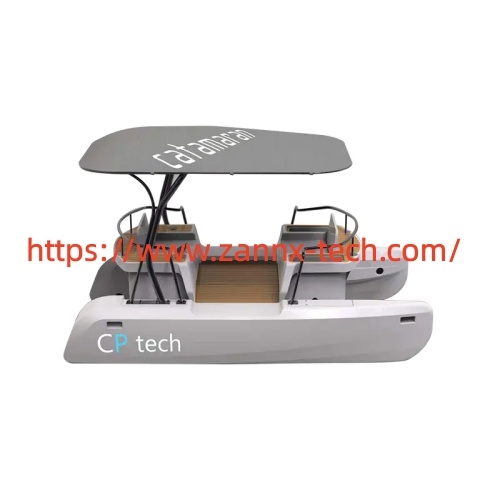
Leisure Boat selection begins with a clear picture of the days ahead rather than a long list of options on a showroom floor. Owners who pause here avoid ending up with a craft that feels cramped once everyone climbs aboard or that struggles to stay level when gear piles up. The checks stay simple and concrete once broken into a handful of everyday realities.
Hull form and freeboard set the foundation. A moderate V shape or flatter bottom suits calm lakes and slow rivers where speed stays secondary. Higher freeboard keeps spray down when a light chop appears. Walk the full length and note how the sides rise. A low entry point near the stern makes boarding from a dock or shallow bank less awkward especially when arms are full.
Passenger and gear space come next. Count the seats that actually face useful directions and measure the open floor area. Four adults with coolers and bags need room to shift without stepping on each other. Under-seat compartments or a small rear locker keep loose items from sliding. Confirm the rated capacity matches the largest group that will ride together rather than an optimistic brochure number.
Power delivery and range matter more than peak output. Electric systems with quiet motors suit short loops and evening returns to the same launch point. Battery indicators that stay visible while underway remove guesswork. If the plan includes longer days check how the system behaves under a steady moderate load rather than a quick burst. Smooth response at low throttle keeps the ride relaxed instead of jerky.
Stability under real loading shows up only during a short trial. Have a couple of people move from side to side while the craft sits still then again while moving slowly. Note any sudden lean or the way the waterline changes. A unit that recovers quickly and keeps the deck level feels more trustworthy once the afternoon breeze picks up.
Access and upkeep details save time later. Hatches that open without tools bilge areas that drain cleanly and battery or fuel points that sit within easy reach turn routine checks into minutes instead of projects. Look for non-slip surfaces around the edges and solid handholds near the entry. These small points reduce the chance of slips when the deck is wet.
Trailer and launch practicality close the list. Overall weight and beam should fit the vehicle already owned and the ramps available nearby. A balanced tongue weight and rollers that let the craft slide off smoothly shorten the time spent at the water edge. Test the winch or straps if they come with the package so the process stays predictable.
Zannxtech shapes its water ready models around these everyday needs. The focus stays on steady handling clear sight lines and materials that hold up under repeated light use rather than complex extras. Operators who run through the points above before deciding usually settle on a configuration that fits their actual outings without leftover bulk.
A short hands on session that includes loading the usual gear and a short run across familiar water reveals more than any specification sheet. Feel the way the craft settles under weight and how the controls respond when the surface turns slightly uneven. Confidence builds from those small moments.
Once the checks line up the path forward becomes clear. Compare the available options at https://www.zannx-tech.com/product/ against the same practical list. Matching the craft to real days on the water produces a unit that stays enjoyable season after season.

 English
 Chinese (Simplify)
